







































Where Will You Go To University?
Choosing your university destination is a life-defining decision that goes beyond your academic studies. Each country offers a unique combination of education systems, cultures, career opportunities, and lifestyles. This series by UniHawk explores the world’s leading university destinations, helping you to understand what it’s really like to live and study in some of the most popular countries for international students.
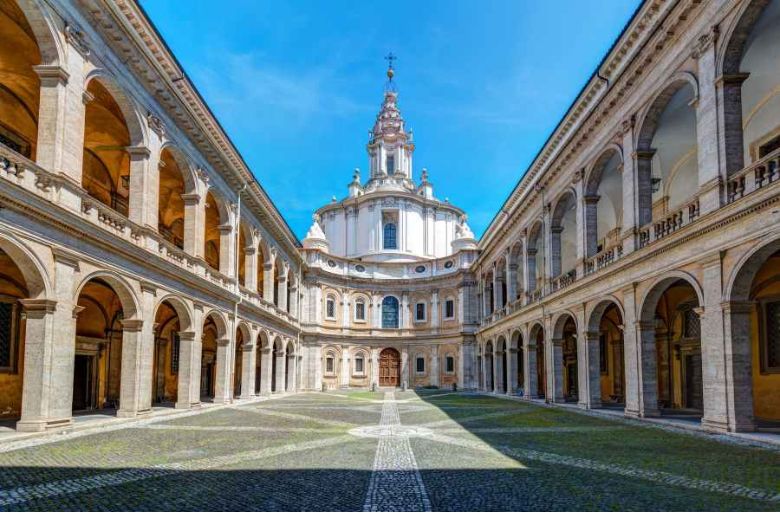
With its blend of history, innovation, and design excellence, Italy offers a distinctive educational experience that continues to attract students from the GCC. Home to some of the world’s oldest universities and a global leader in the arts, fashion, engineering, and medicine, Italy combines academic prestige with a culturally rich lifestyle. For students in the UAE and the wider Gulf region considering overseas university study, Italy presents a compelling and increasingly accessible option.
Education System and Curriculum
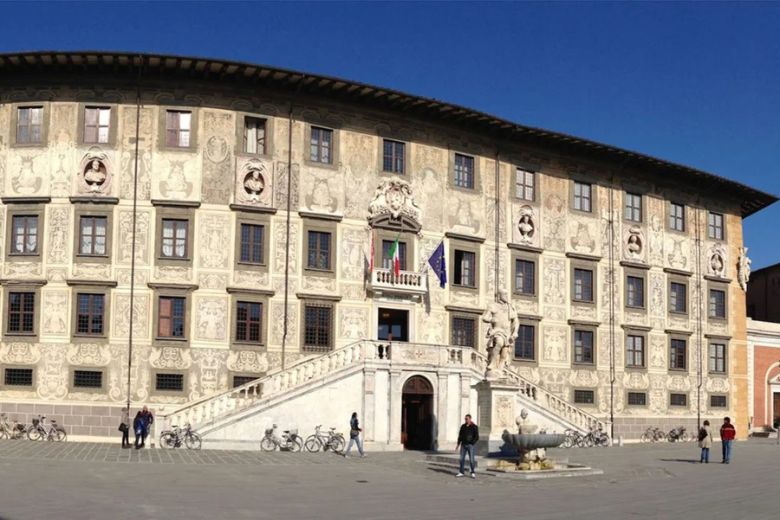
Italy follows the European Bologna Process, offering internationally recognised qualifications structured into three-year Bachelor’s degrees, six-year Medicine programmes, and two-year Master’s degrees. Teaching typically combines traditional academic lectures and seminars with practical, studio-based, or professional learning, particularly in fields such as architecture, design, and the arts. Regulated programmes including medicine, dentistry, and architecture follow longer study cycles. In recent years, Italian universities have significantly expanded their English-taught courses, especially at postgraduate level, making the transition easier for GCC students without prior Italian language knowledge.
Academic Reputation and Global Standing
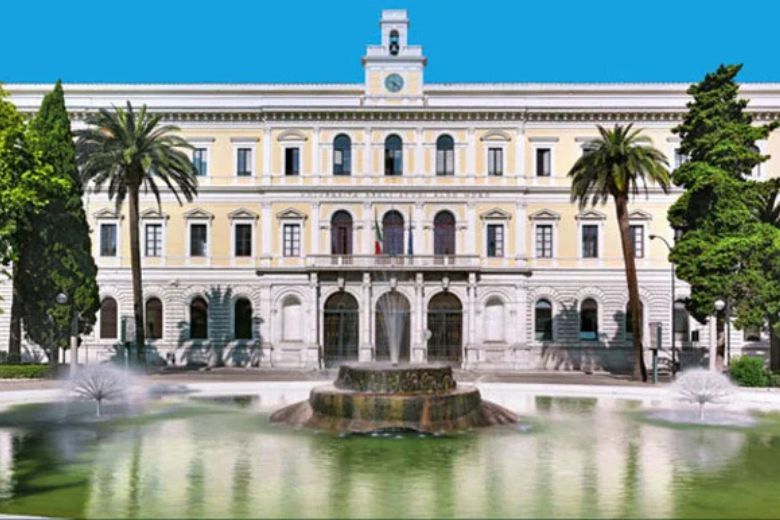
Italy is home to some of Europe’s most respected higher education institutions. The University of Bologna, founded in 1088, is widely recognised as the oldest university in the Western world. Other internationally ranked institutions include Politecnico di Milano, Bocconi University, Sapienza University of Rome, and the University of Padua. Italian universities are particularly well regarded for engineering, business, fashion, architecture, humanities, and medicine, frequently appearing in leading QS and Times Higher Education subject rankings.
Application Process and Entry Requirements
Italian universities place strong emphasis on academic readiness. Applicants are generally required to submit a secondary school diploma, academic transcripts, a passport copy, a motivational statement, and proof of language proficiency in either English or Italian depending on the programme. Competitive courses such as medicine require entrance examinations like the IMAT, while architecture and design programmes may request a portfolio or an interview as part of the selection process.
Tuition Fees and Scholarship Opportunities
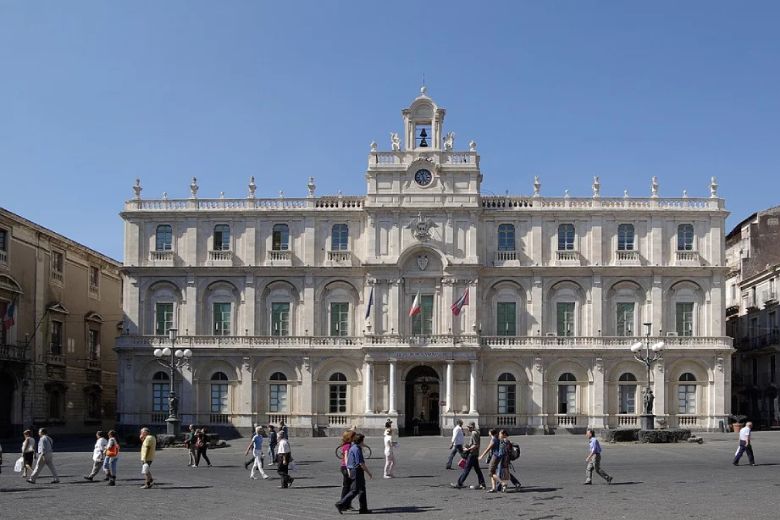
Affordability is one of Italy’s strongest attractions for international students. Public university tuition fees are often income-based and merit-linked, typically ranging from a few hundred to a few thousand euros per year. Private institutions such as Bocconi University and Università Cattolica del Sacro Cuore charge higher fees, usually between €10,000 and €20,000 annually. Financial support is available through scholarships including Erasmus+, government-funded awards, and university-specific merit scholarships for high-achieving students.
Accommodation and Cost of Living
Student accommodation is available through university residences, though demand often exceeds supply. As a result, many international students choose shared apartments or private rentals. Monthly living costs vary by city, averaging €900 to €1,400 in Milan or Rome, and approximately €600 to €900 in cities such as Bologna or Padua. These figures typically include rent, utilities, food, and local transport.
Language, Culture, and Student Life
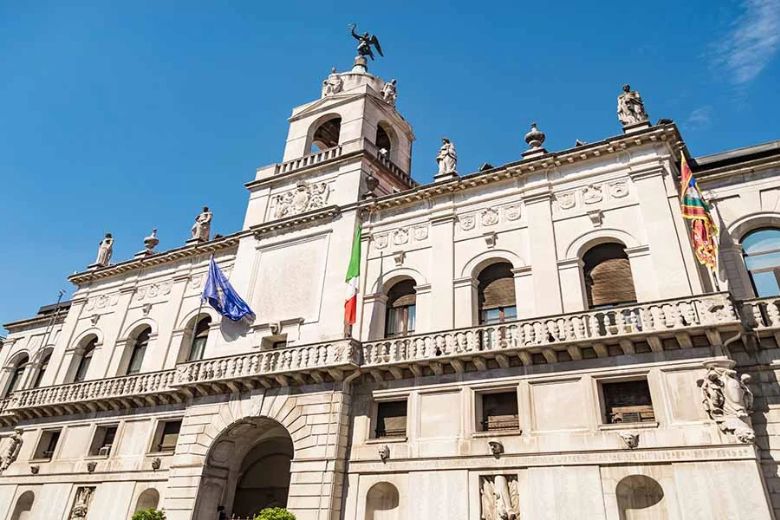
Although Italian is the primary language of daily life, a growing number of degree programmes are delivered in English, particularly at Master’s level. Campus life in Italy is closely connected to city living, with universities often located in historic centres rather than enclosed campuses. Students enjoy access to cultural events, student associations, and vibrant social scenes, making cultural immersion a central part of the academic journey.
Immigration Rules and Post-Study Options
Students from outside the EU require a study visa, a fiscal tax code for public universities, and a residence permit. After graduation, Italy allows international students to remain in the country for up to one year to seek employment or to convert their residence permit into a work visa upon securing a job offer. Post-study opportunities vary by sector, with stronger prospects in design, engineering, technology, and business-related fields.
Graduate Career Prospects
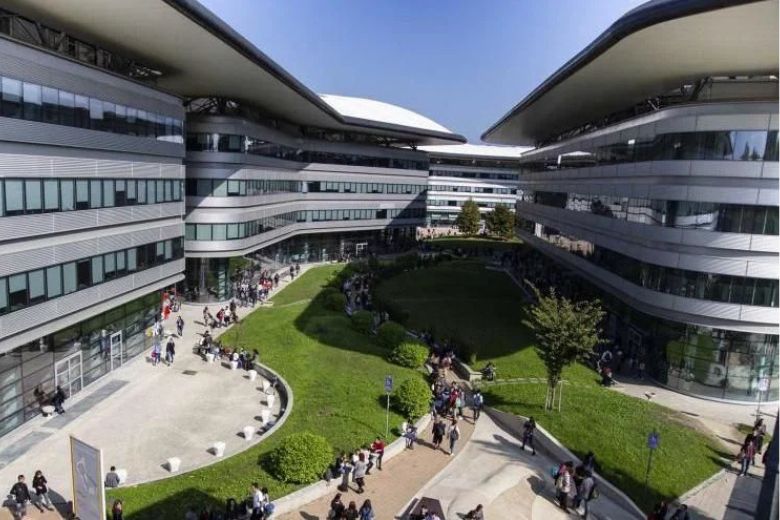
Italy’s industrial strength and global brands provide attractive career pathways for graduates. International companies such as Ferrari, Fiat Stellantis, Luxottica, Prada, Pirelli, Leonardo, and Enel regularly engage with university talent, especially in engineering, design, and business disciplines. Universities maintain close links with industry through internships and career services, helping GCC students gain valuable international work experience during their studies and beyond.
Interested in exploring Italy as a higher education destination? Connect with UniHawk at
Further Reading:
- Studying Abroad: Why Canada Remains a Top Destination for GCC Students
- Studying Abroad: How Australia Continues to Attract Students from the UAE and Beyond
- Studying Abroad: Is The UK The Right Choice For You?
- Studying Abroad: Why The United States Is Still A Top Choice For International Students