






































Where Will You Go To University?
Choosing your university destination is a life-defining decision that goes beyond your academic studies. Each country offers a unique combination of education systems, cultures, career opportunities, and lifestyles.
This series by UniHawk explores the world’s leading university destinations, helping you to understand what it’s really like to live and study in some of the most popular countries for international students.
Study In The United States
The United States has always been a leading destination for international students seeking a world-class education. Though recent fluxes in policy have created some uncertainty, US institutions continue to welcome overseas applicants, and the country remains a compelling option for students looking to study abroad.
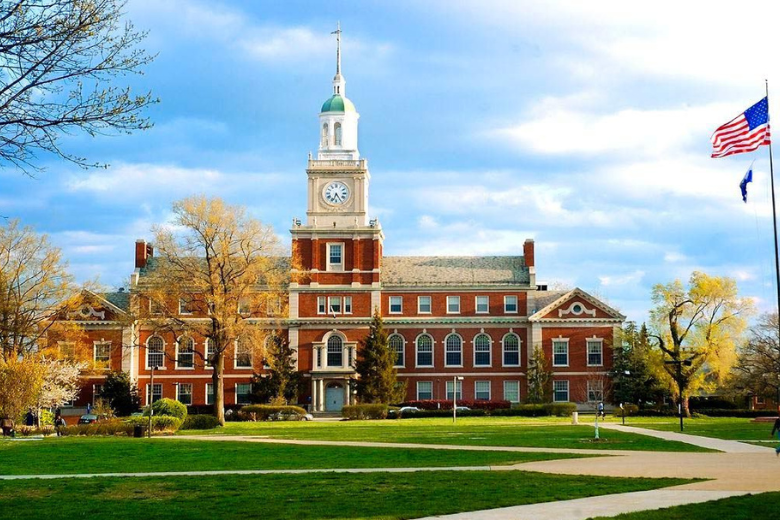
Here are some of the opportunities and factors to consider if you are exploring universities in the US.
Unmatched Scale and Global Prestige
According to the Institute of International Education (IIE), the US hosted 1,126,690 international students in the 2023–24 academic year – representing 6% of all students enrolled in US higher education. This figure marks a new all-time high, driven by a 23% rise in Indian students (331,602 enrolled) and steady interest from global markets including the Middle East.

For UAE-based students, these numbers signal two things: first, that US institutions continue to dominate global rankings, and second, that their degrees retain unmatched recognition in multinational companies, especially in industries such as technology, finance, and healthcare
Rising Demand from UAE and the Gulf
While the majority of international enrolments in the US come from Asia, the Gulf states are emerging as priority recruitment markets. UAE schools regularly top regional application pipelines for American universities, thanks to the country’s strong international curriculum presence (IB, A Levels, and AP) and the high number of students seeking degrees with global recognition.
Recent IDP research shows that the US is now ranked as the #1 first-choice destination globally among prospective students, surpassing Canada, the UK, and Australia (ICEF Monitor). For UAE students, this preference is amplified by familiar factors: world-class facilities, research-led teaching, and diverse campus environments.
Flexible Curriculum
One of the unique aspects of studying in the US is the highly flexible curriculum. Undergraduates in particular are encouraged to explore a wide range of subjects, and many institutions allow students to combine different areas of interest through double majors or minors. This flexibility is valuable as jobs become more multi- and cross-disciplinary; it provides the opportunity for students to explore, for example, technology alongside business, or entrepreneurship alongside the arts. Graduate programs are equally diverse, with most Master’s degrees taking around two years, though some can be completed in 18 months.
Global Recognition
The US is home to many of the world’s top-ranking universities, with several positioned among the leading 100 institutions globally. From Ivy League institutions to state universities, US schools are also renowned for groundbreaking research and distinguished alumni networks. A degree from an American university is widely recognized and valued by employers across the globe.
Entry Requirements For Studying in the US
Gaining admission to a US university is competitive and a well-rounded academic and personal profile is key to success. Applicants need to submit academic transcripts from Grades 9 to12, alongside proof of English language proficiency, such as TOEFL or IELTS. It is also advisable to achieve good scores in standardized tests such as the SAT or ACT, and for some programs a portfolio is required. To truly stand out, applicants should also have a comprehensive range of experience in extra- and super-curricular activities, such as work experience and student leadership.
Immigration Considerations
The US remains welcoming to international applicants, and despite some delays in visa appointments institutions are being flexible in accommodating students coming from overseas. Some universities have responded to visa delays by offering hybrid options that allow students to begin their studies online and transition to campus once the formalities are complete. A further advantage for international students is the Optional Practical Training (OPT) program, which allows graduates on an F-1 visa to work in the US for up to 12 months after graduation, while students of STEM subjects can qualify for a further 24-month extension, providing more time to gain valuable professional experience.
Fees and Scholarships
Tuition fees in the US range from $20,000 to $60,000 per year, depending on the institution and program. Despite the high cost compared to other geographies, financial support is available, and many institutions automatically consider international students for merit-based scholarships. Need-based scholarships are also offered to help reduce the financial burden and make studying in the US more widely accessible. Living expenses, including accommodation, are typically between $15,000 and $20,000 annually, and university accommodation is almost always guaranteed at US institutions.
Campus Life
US universities offer a diverse and inclusive student life with countless extracurricular activities through clubs and societies, alongside academic opportunities in research, internships, and community projects. Most universities have a dedicated international office to help overseas students to build strong networks and to provide support with practical orientation and cultural immersion.
Career Prospects Post Study in the US
US universities place a strong emphasis on practice-based learning and many students undertake internships and work-based placements during their studies to enhance their education and improve their job prospects. With a globally respected degree and real-world experience, graduates from US institutions are well-positioned for successful careers.
Navigating Policy Shifts While Planning Ahead
Although the US remains a top choice, families should be aware of evolving policies. Recent debates around visa allocations and proposed restrictions at high-profile institutions like Harvard have created uncertainty for some applicants (The Guardian, AP News). However, education consultants stress that the overall US market remains stable, with most students unaffected by these changes.
Planning early – including securing admissions guidance, preparing financial plans, and applying for scholarships – is key for UAE families looking to secure spots at leading US institutions.
Ready to Begin?
Connect with UniHawk to explore your US study options and get personalised guidance on applications, scholarships, and student life.

By Rashmi Menon, COO, UniHawk
For more information and how they can be the perfect education consultant for your child’s higher education journey, visit the UniHawk website below: