







































Where Will You Go To University?
Choosing your university destination is a life-defining decision that goes beyond your academic studies. Each country offers a unique combination of education systems, cultures, career opportunities, and lifestyles. This series by UniHawk explores the world’s leading university destinations, helping you to understand what it’s really like to live and study in some of the most popular countries for international students.
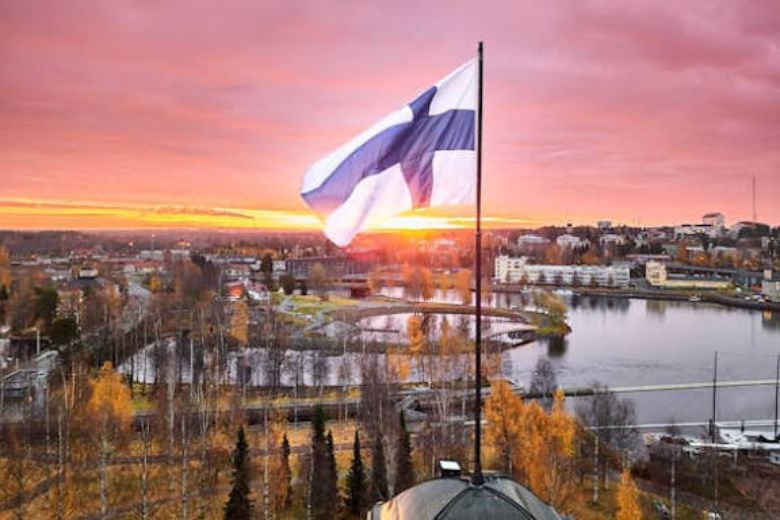
Renowned as the happiest country in the world, Finland’s first-rate education system and high quality of life are fuelling its growing momentum as a preferred destination for students from the GCC. The Nordic country combines academic excellence with a student-centred approach to learning, set in modern campuses with a strong emphasis on equality and sustainability. Here are some of the opportunities and factors to consider if you are interested in exploring Finland’s unique and forward-thinking study experience.

Curriculum Style and Programme Duration
Finland’s curriculum is built on the principles of critical thinking, problem-based and project work, with a strong element of research integrated into programmes. Bachelor’s degrees typically take three years, while Master’s programmes last two years. Teaching in Finland is highly interactive and encourages open dialogue with students working in small groups and engaging closely with faculty.
Academic Reputation
Finland’s education system is consistently ranked among the best in the world, and its universities are globally respected for their academic rigour. Leading institutions include the University of Helsinki, Aalto University, University of Turku and University of Eastern Finland. The country also ranks consistently high for education quality and innovation, with particular specialisms in technology, forestry, cleantech and R&D. This makes it an ideal destination for students seeking future-ready skills.

Entry Requirements and Admissions
Applicants from the GCC applying for a Bachelor’s degree must hold a recognised secondary school diploma and provide transcripts, proof of language proficiency in English, Finnish or Swedish as required, and in some cases pass an entrance exam, especially for competitive programmes. For Master’s programmes, students need a relevant Bachelor’s degree, academic transcripts and proof of English proficiency. Applications to Finland’s universities and universities of applied sciences are completed online at Studyinfo.fi, with submission periods varying depending on the programme.
Tuition Fees and Scholarships
As non EU and non EEA students, GCC applicants are subject to tuition fees which average around €10,000 per year, although costs vary considerably depending on the university and programme. Many universities in Finland offer scholarships, tuition waivers and fee reductions, which can be applied for during the admissions process.
Accommodation and Cost of Living
Accommodation is managed through student housing agencies in each city, offering dormitory-style accommodation, private rentals or shared apartments. Students should budget around €800 to €1,200 per month for living expenses including rent, food, transport and leisure. As the capital, Helsinki tends to be at the higher end of the range.
Campus Life
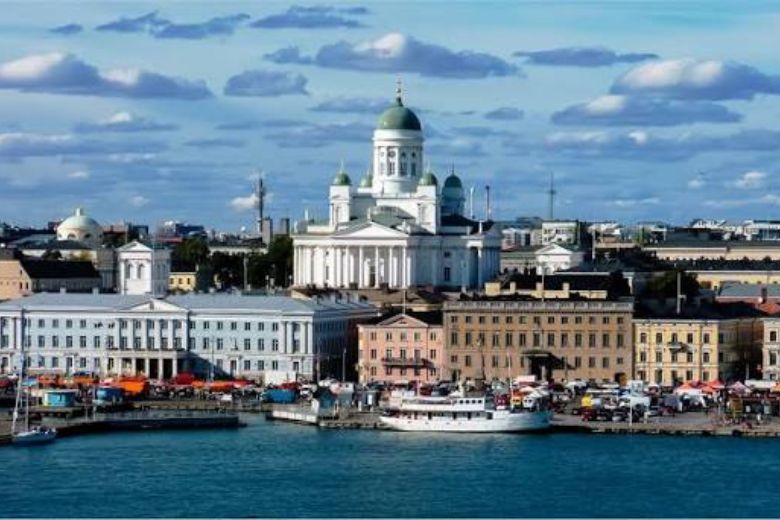
Although Finnish and Swedish are the country’s official languages, English is widely spoken and most universities operate comfortably in English, both academically and socially. Finnish culture values equality, punctuality and sustainability, and international students are drawn to the country’s welcoming and respectful environment. Campus life in Finland is vibrant and community oriented. Each university has an active student union offering events, clubs, sports and networking opportunities. The strong emphasis on well-being and work-life balance helps international students adapt quickly and feel at home.
Immigration and Post Study Options
Non EU students require a residence permit to study, typically granted for the full duration of the degree programme. During their studies, students may work part time, and after graduation they can apply for an extended residence permit to seek employment or start a business in Finland. The job market values skilled international graduates, particularly in technology, engineering, health and sustainability fields. Once employed, graduates may transition to long-term residence or permanent residency.
Graduate Prospects
Finland’s strong industrial base and reputation for innovation translate into excellent career opportunities, particularly for graduates of STEM subjects. Leading employers such as Nokia, KONE, Wärtsilä, Rovio and Supercell, along with numerous cleantech, biotech and R&D companies, often recruit from local universities. There is a strong internship culture in Finland, offering students practical experience and valuable professional networks that span the Nordic and wider EU labour markets. Graduates from Finnish institutions are well positioned for global careers, combining high level skills with a mindset shaped by one of the world’s most forward-thinking education systems.
Interested in exploring Finland as a higher education destination? Connect with UniHawk at
Further Reading:
- Studying Abroad: Why Canada Remains a Top Destination for GCC Students
- Studying Abroad: How Australia Continues to Attract Students from the UAE and Beyond
- Studying Abroad: Is The UK The Right Choice For You?
- Studying Abroad: Why The United States Is Still A Top Choice For International Students