







































Where Will You Go To University?
Choosing your university destination is a life-defining decision that goes beyond your academic studies. Each country offers a unique combination of education systems, cultures, career opportunities, and lifestyles. This series by UniHawk explores the world’s leading university destinations, helping you to understand what it’s really like to live and study in some of the most popular countries for international students.
For students across the GCC considering a future in medicine, Eastern Europe is emerging as an increasingly attractive study destination. With English-taught programs, competitive tuition fees, and globally recognized qualifications, countries like Czechia, Hungary and Poland are welcoming a growing number of international medical students each year. While historically viewed as a backup option for UK or US-bound applicants, Eastern European medical programs are now gaining recognition in their own right. Here are the key facts you need to know if you are considering studying medicine in Eastern Europe.
Curriculum Style and Program Duration
In Eastern Europe, medical degrees typically span six years, beginning with a foundation year that focuses on developing a strong foundation in the sciences, to prepare students for more advanced clinical training. Graduates receive a Doctor of Medicine (MD) degree, qualifying them to practice general medicine or pursue a postgraduate specialization. Unlike most programs in Southern Europe, medical education in Eastern Europe is often delivered entirely in English, making it a practical choice for GCC students.
Academic Reputation
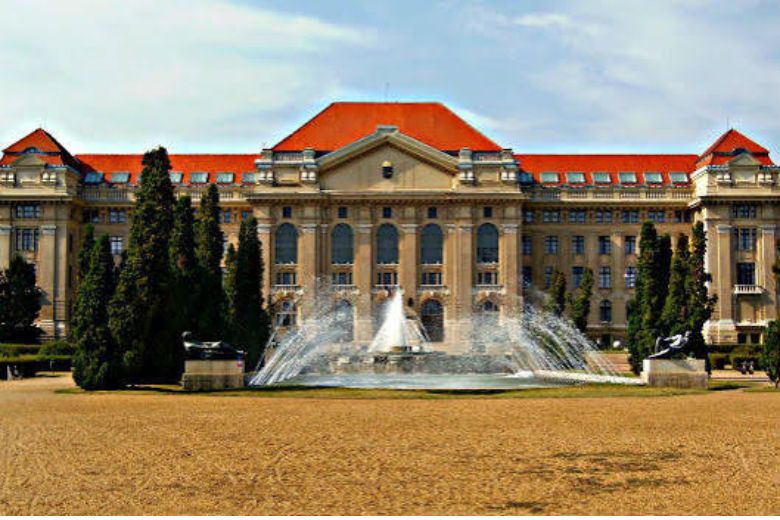
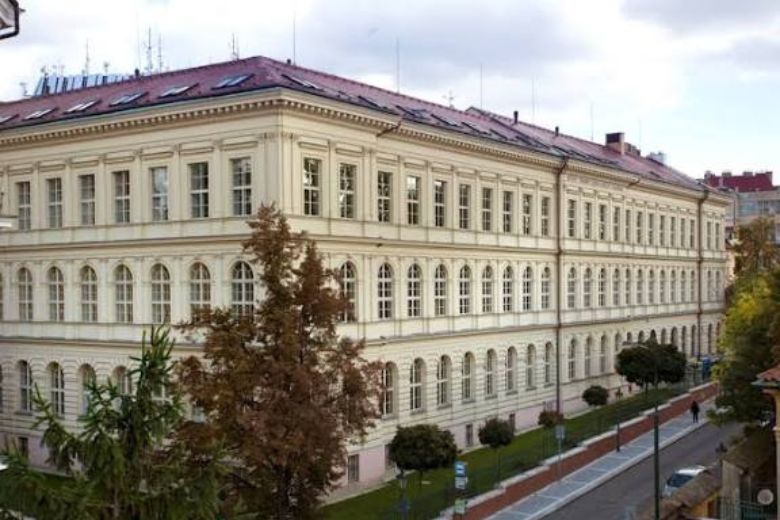
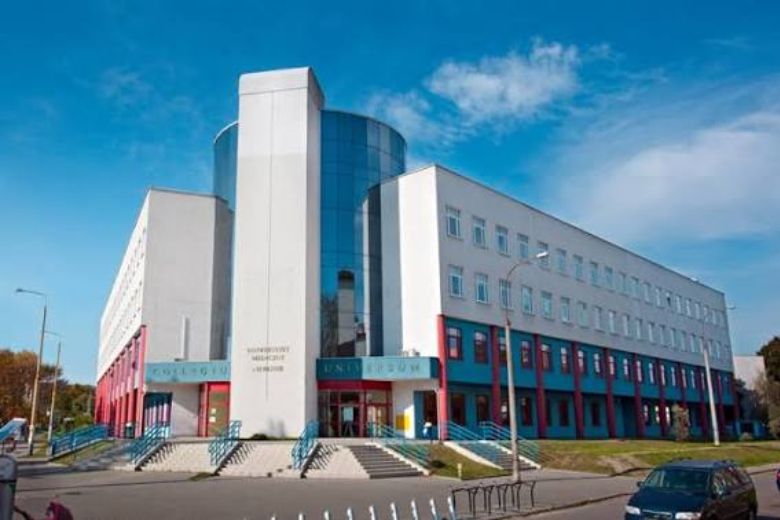
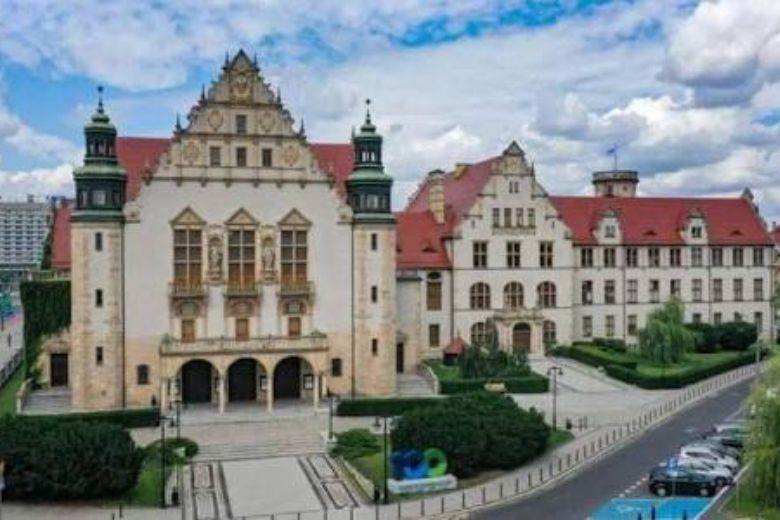
Eastern European medical schools have significantly raised their academic profiles on the global stage. Institutions such as Charles University in Czechia, the University of Debrecen in Hungary, and the University of Warsaw in Poland are well regarded and feature in annual international rankings. The leading medical schools are recognized by the World Health Organization (WHO) and listed in the World Directory of Medical Schools, and applicants should be aware that this is essential for graduates planning to take licensure exams or practice in countries outside Europe.
Application Process and Entry Requirements
Similar to any global destination, entry into medical school in Eastern Europe is highly competitive. Prospective students need to sit an entrance examination, typically testing the applicant’s knowledge of biology and chemistry. The exam can be taken remotely, and GCC-based students can access the test through authorised centres in Dubai and other regional hubs. In most cases, admissions are based on entrance exam performance, with no requirement for additional standardised tests.
Immigration Considerations
Students accepted into a program will receive a student visa valid for the duration of their studies. However, as part of the process, supporting documents may need to be translated and attested, so it is crucial to begin the visa application well in advance to allow time to transmit paperwork through the relevant embassies and consulates.
Tuition Fees and Scholarships
When considering both expense and program duration, Eastern Europe represents a cost-effective route to a globally recognised medical qualification, in comparison with destinations like the US and UK. Tuition fees for medical degrees in Eastern Europe range from USD 15,000 to USD 30,000 per year. Some universities offer merit-based scholarships, reducing the financial burden for high-achieving students.
Accommodation and Living Costs
The low cost of living, combined with safe urban environments, makes Eastern Europe a comfortable option for GCC families. Students can access modern and well-equipped on-campus accommodation or rent private housing in nearby communities. On average, the cost of living ranges from EUR 8,000 to EUR 10,000 per year, including accommodation, food, transport, and personal expenses.
Campus Life
Eastern Europe offers a rich cultural environment, with universities built on centuries of academic tradition, combined with vibrant, multicultural campus communities. The region’s welcoming hospitality and proximity to the GCC makes it easy for students to visit and travel around. Its safety and cultural familiarity also contribute to its popularity among students from the region.
Graduate Career Prospects
Graduates can choose to stay and practice in their country of study, provided they meet local language proficiency requirements, which are often taught alongside medical courses. The degree can also be used as a foundation to pursue licensure exams in destinations like the UK, Ireland, or the US, where the qualification is recognised, provided they meet the local regulatory standards. Whether students aim to return home, remain in Europe, or continue their journey elsewhere, an Eastern European medical degree can be a stepping stone to global medical practice.
Interested in exploring Eastern Europe as a higher education destination? Connect with UniHawk at
Further Reading:
- Studying Abroad: Why Canada Remains a Top Destination for GCC Students
- Studying Abroad: How Australia Continues to Attract Students from the UAE and Beyond
- Studying Abroad: Is The UK The Right Choice For You?
- Studying Abroad: Why The United States Is Still A Top Choice For International Students