






































In recent years, wellbeing has become a buzzword in education, and rightly so. With the region’s fast-evolving educational landscape, wellbeing is now central to discussions on the future of education. However, one crucial aspect is often overlooked – the spaces where students learn. Real wellness isn’t something simply taught through a curriculum. It must be intentionally designed into the environments where students spend their time.
At Kidzink – and our sister company Koda – we believe that the design of educational spaces is key to promoting true wellness. It’s a philosophy rooted in the belief that design goes beyond aesthetics; it shapes the daily experiences of students. We ask the questions others don’t think to ask, ensuring that we design spaces that nurture both the minds and well-being of students.
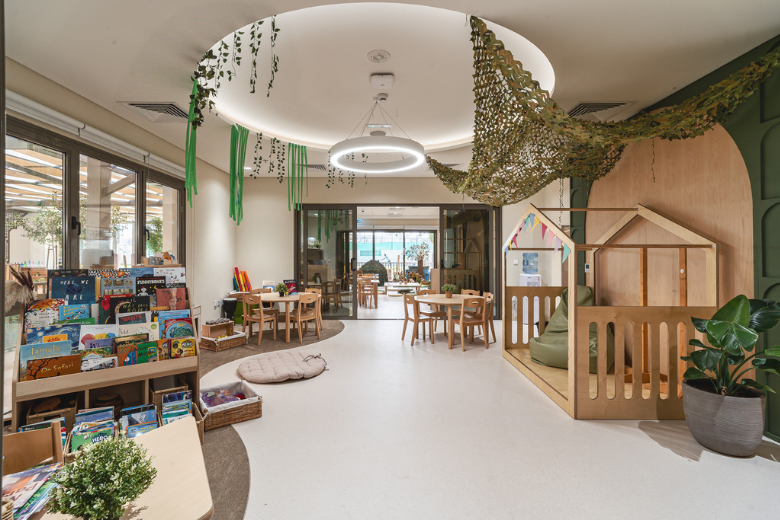
When we think about wellness in schools, we often focus on mental health, mindfulness, and balancing digital and traditional learning. These are critical, but the physical environment itself is often the missing piece. How can students thrive mentally and emotionally if their surroundings don’t support these needs? Wellness is not just about what students are taught; it’s about where they are taught.
In the UAE and the broader region, we have a unique opportunity to redefine what school environments can be. By embedding principles of wellbeing into design, we can create spaces that support the socio-emotional, physiological (sensory and motor) and cognitive needs of students. These spaces are long-term investments, ones that not only inspire today’s learners but support their wellness for generations.
The Role of Space in Learning is Profound
Thanks to neuro-architecture, we now understand the concept of ‘space as the third teacher.’ The concept of neuro-architecture was first coined by Loris Malaguzzi, the Italian educator, philosopher, and founder of the Reggio Emilia approach to early childhood education. Malaguzzi recognized how the environment plays a critical role in cognitive and socio-emotional development. Well-designed classrooms are not passive backdrops; they actively contribute to student engagement, growth, and well-being. This belief, supported by both scientific research and design principles, transforms classrooms into dynamic, interactive environments that enhance creativity, memory, and overall student engagement.
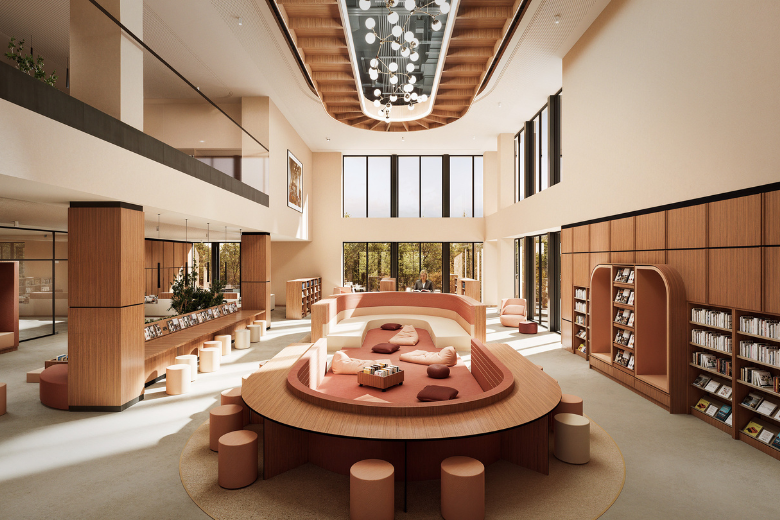
At Kidzink, research and development is at the core of our work, ensuring every design choice is guided by the latest insights in neuroscience and psychology and the evolving needs of today’s learners. This philosophy is at the core of Beyond the Box, our upcoming book, which serves as the ignition point for a movement redefining educational environments. This isn’t a book launch; it’s part of a world wide Eureka Moment that will reshape how we define school design.
How Do We Design Spaces That Promote Wellness?
- First, flexibility is key. The traditional classroom layout, with rows of desks facing a teacher, is outdated. Learning today is dynamic, and spaces must allow for flexibility in seating, movement, and activities. Open spaces and modular layouts can adapt to changing teaching methods, accommodating different learning styles – from quiet reflection zones to collaborative project spaces.
- Next, biophilic design is essential. Research consistently shows that natural elements: daylight, green spaces, and natural views, have a profound impact on students’ mental health. Integrating natural light, plants, and materials creates environments that foster emotional and cognitive well-being. In the region, bringing nature indoors is essential to inspiring creativity and focus.
- Wellness also means creating spaces that encourage social interaction and collaboration. Schools should not be isolated silos. The physical environment can foster engagement, with areas designed for group work and open dialogue. By allowing students to collaborate and share experiences, we help them develop the social skills and emotional intelligence necessary for personal and professional success.
- Lastly, emotional well-being is supported through quiet, reflective spaces. The pressures of modern education can be intense, and students need places where they can step away, reset, and process their emotions. Simple spaces for decompression: private rooms, outdoor areas, offer respite and allow students to return to their work feeling refreshed and ready to engage.
Wellness In Education Starts With Design As A Core Principal
Wellbeing isn’t just about what we do for students, it’s about where we do it. The spaces we design are integral to their success, well-being, and growth. It’s time for us to embrace the idea that wellness in education starts with design, not as an afterthought, but as a core principle. By thoughtfully considering how we create learning environments, we can build spaces that nurture both the minds and spirits of students, empowering them to thrive in every aspect of their lives.
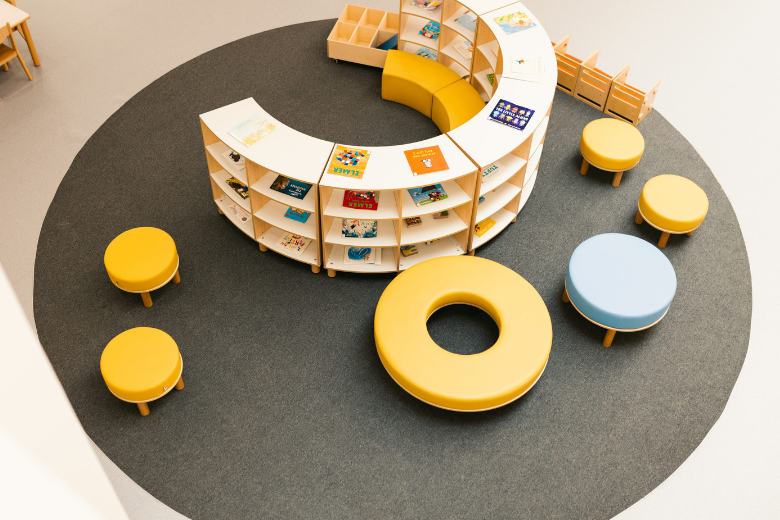
As we prepare for the launch of Beyond the Box, it’s clear that the movement to rethink educational environments has only just begun. The belief that ‘real wellness isn’t taught, it’s designed’ underpins everything we do at Kidzink, and this book is just one example of how we are challenging the status quo in educational design. Through curiosity, research, and an unwavering commitment to design excellence, we are paving the way for a new era of learning environments that prioritize the true wellness of the whole learning community.
By Charlotte Borghesi
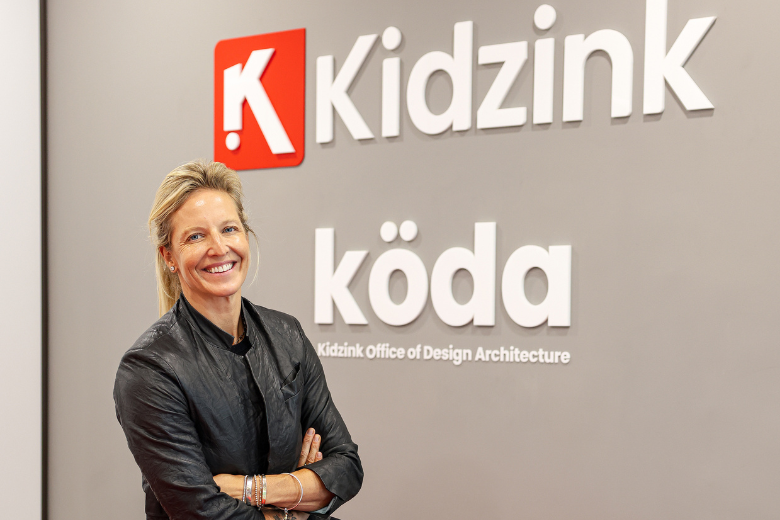
Charlotte Borghesi is the Founder & General Manager of Kidzink including KODA, the Kidzink Office of Design & Architecture. Kidzink’s award-winning work can be found across the region – and world – in 23 countries. Current Kidzink and KODA projects include Harrow International School’s Abu Dhabi and Dubai campuses.