







































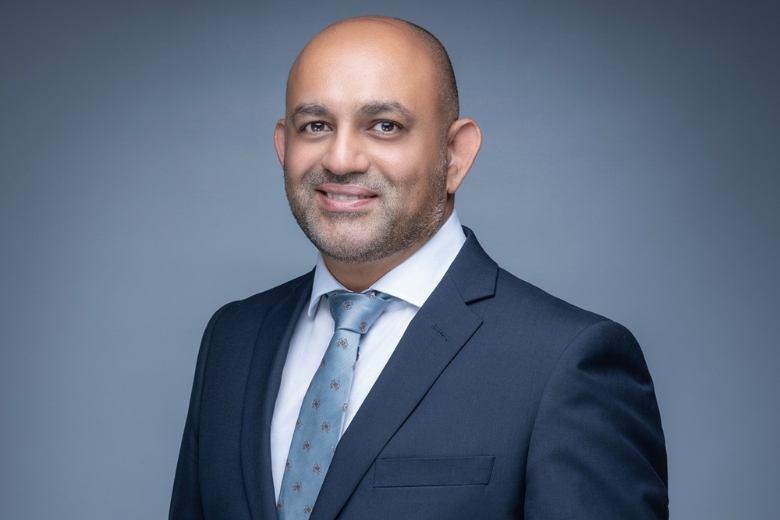
By Rajinder Sharma, Head of Global College, Heriot-Watt University Dubai
The transition from school to university is one of the most significant milestones in a young person’s life. While strong academic performance remains important, it is no longer the only measure of future success. Today’s students must also be equipped with resilience, confidence, adaptability and the practical skills needed to navigate new environments, responsibilities and expectations.
Preparing students for higher education therefore requires a broader vision, one that extends beyond academic achievement and focuses on developing the personal qualities that will support them throughout university and into their careers.
Academic Success Is Only Part of the Picture
Many students begin university with excellent academic foundations but find the shift to independent learning more challenging than expected. Managing their own schedules, making decisions independently and balancing academic, social and personal responsibilities can quickly become overwhelming.
Developing essential life skills such as communication, time management, emotional resilience and financial literacy enables students to make this transition with greater confidence. These capabilities not only support academic performance but also encourage personal growth and long-term success.
Why Soft Skills Matter
Soft skills including communication, collaboration, leadership and adaptability have become increasingly valuable in both higher education and the workplace. Yet they often receive less attention than traditional academic subjects.
Universities are increasingly encouraging students to participate in experiential learning, internships, volunteering and extracurricular activities. These opportunities help students strengthen teamwork, improve problem solving abilities and build confidence in unfamiliar situations. They also prepare graduates to succeed in today’s interconnected and multicultural workplaces.
Managing Time and Responsibility
Time management is one of the most important skills students can develop before entering university. The structured routines of school are replaced by greater independence, requiring students to organise their own schedules and take responsibility for meeting deadlines.
Learning practical strategies such as goal setting, prioritisation and effective planning helps students manage their workload, reduce stress and establish habits that will continue to benefit them throughout their academic and professional lives.
Financial Literacy Supports Independence
University is often the first time students are responsible for managing their own finances. Understanding budgeting, responsible spending and financial planning is an important part of becoming independent.
Developing financial literacy reduces unnecessary stress and enables students to make informed decisions about their daily lives and future goals. These practical skills contribute significantly to overall wellbeing and long-term stability.
Prioritising Emotional Wellbeing
Emotional wellbeing is another essential element of university readiness. According to the World Health Organization, one in seven young people aged 10 to 19 experiences a mental health disorder, with anxiety and depression among the most common challenges.
Recognising this, universities are placing greater emphasis on counselling services, mental health awareness and resilience-building initiatives. Emotional intelligence and healthy coping strategies help students adapt to change, build meaningful relationships and respond positively to challenges throughout their university journey.
Supporting Students Beyond the Classroom
Recognising that successful university preparation extends beyond academics, Heriot-Watt Global College offers programmes designed to bridge the transition from school to higher education.
Alongside academic foundations, students develop critical thinking, academic writing, communication skills and independent learning habits within a supportive environment that prepares them for the expectations of university life. Small class sizes, personalised guidance and dedicated academic support help students build confidence before progressing to their chosen degree programmes.
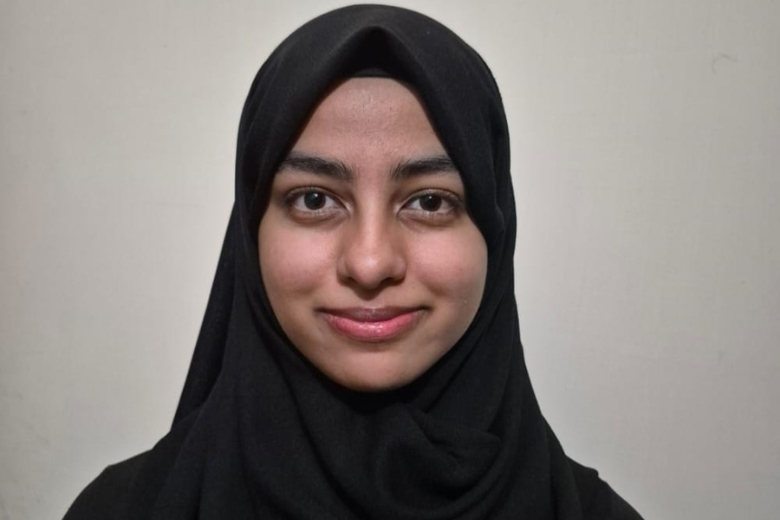
The value of this approach is reflected in the experiences of students themselves. Sana Siddiqui, an alumnus of the DEP Management Programme at Heriot-Watt Global College, says,
“The programme made my transition from high school to university life far less intimidating, strengthening both my academic confidence and independence. The courses developed my theoretical knowledge, critical thinking and communication skills, while the approachable faculty and supportive learning environment prepared me well for the demands of my undergraduate studies.”
A Shared Responsibility
Creating university-ready students requires collaboration between schools, universities and families. Schools can integrate life skills into everyday learning, universities can provide holistic support systems that prioritise both academic success and wellbeing, and families can encourage independence while offering emotional support throughout the transition.
As higher education continues to evolve, success should no longer be measured solely by grades. Students who possess resilience, adaptability, emotional intelligence and practical life skills are better equipped to overcome challenges, seize opportunities and contribute meaningfully to society.
By investing in these qualities alongside academic excellence, educators can help develop graduates who are not only career-ready but genuinely future-ready.
To find out more please visit
Further Reading
- Heriot-Watt University Dubai Convenes Global Leaders at Sustainability Symposium
- ICAS And Heriot-Watt University Launch Global Degree to Accelerate Accountancy Careers