































Where You Will Go To University?
Choosing your university destination is a life-defining decision that goes beyond your academic studies. Each country offers a unique combination of education systems, cultures, career opportunities, and lifestyles. This series by UniHawk explores the world’s leading university destinations, helping you to understand what it’s really like to live and study in some of the most popular countries for international students.
With its English-speaking education system, globally ranked universities, and growing graduate employment opportunities, Ireland is becoming an increasingly attractive destination for international students, especially from the GCC region. Known for its innovation-driven economy and welcoming culture, Ireland offers a high-quality academic experience that combines European tradition with strong industry links. For students based in the UAE and wider Gulf region, here’s what you need to know when considering higher education in Ireland.
Curriculum Style and Programme Duration
Ireland’s academic system is well aligned with international standards, making it a familiar and accessible option for GCC students. Undergraduate degrees typically last three to four years, while Master’s degrees are generally one to two years. Teaching methods combine lectures and tutorials with practical components such as integrated work placements, giving students valuable industry experience before they graduate.
Academic Reputation
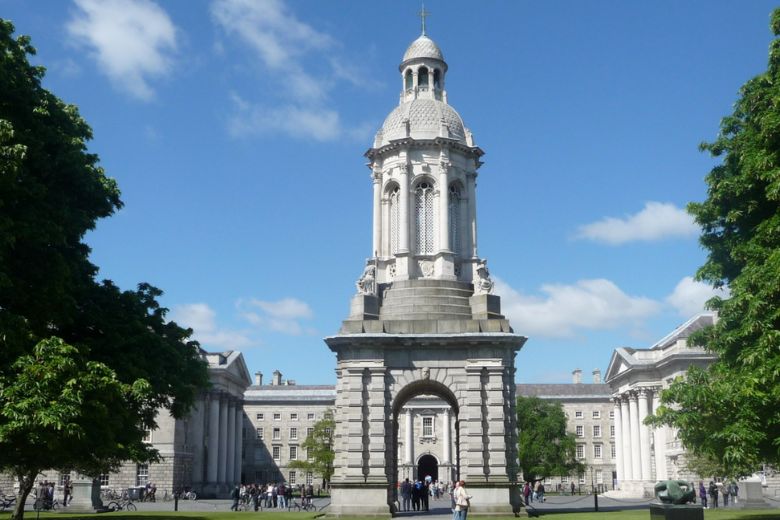
Ireland is home to several globally respected universities and institutions known for academic excellence and cutting-edge research. Among the most prominent are Trinity College Dublin, University College Dublin (UCD), University College Cork, University of Galway and Technological University Dublin. These institutions consistently rate highly in global rankings and are recognised for strengths in pharmaceuticals, life sciences, information and communications technology (ICT) and finance. Ireland’s universities are also intensely involved in international research partnerships, offering opportunities for students interested in research careers.
Application Process and Entry Requirements
For undergraduate study, students educated outside of the Irish education system need to apply directly to each university, rather than through Ireland’s central CAO system, which is reserved for domestic and EU students or those who have studied Irish education internationally. Entry requirements vary by institution and course but typically include secondary school qualifications such as A-Levels, the IB Diploma, or national equivalents from GCC countries.
Postgraduate applicants apply directly to universities with their academic transcripts, CV, references, and a personal statement. If an applicant is a non-native English speaker, an English language proficiency test score is required, although this condition may be waived if the student’s previous education has been in English. For competitive or professional courses, such as medicine or engineering, there may be additional assessments or interviews to secure a place. It’s important for students in the GCC to begin preparing early, particularly for high-demand programmes. Non-EU students will also need to secure a student visa.
Tuition Fees and Scholarships
For non-EU students, tuition fees at Irish universities typically range from €10,000 to €25,000 per year, depending on the course and institution. Medicine and health-related fields are generally at the higher end of this range. Scholarships are available both through universities and external organisations. These can be merit-based, need-based, or linked to specific areas of study such as STEM or research.
Accommodation and Living Costs
Living costs in Ireland vary by city. Dublin, as the capital, has higher than average expenses, at between €1,200 and €1,800 a month. Other university cities like Cork or Galway are generally more affordable, with estimated costs between €700 and €1,200 per month. Accommodation options include limited spaces in university halls of residence or private rentals and shared housing in local communities.
Campus Life and Student Support
English is the medium of instruction, which makes academic and social life easily accessible for GCC students. Ireland offers a vibrant and inclusive campus culture, with extensive student support services tailored for international students. Student societies, clubs, and sports are integral to Irish university life, encouraging a healthy balance between academics and social activity. Ireland’s warm, friendly culture and safety record also make it a comfortable choice for students travelling from the Middle East.
Graduate Career Prospects and Post-Study Work Rights
One of Ireland’s most attractive features for international students is its post-study work pathway. The Third Level Graduate Scheme (Stamp 1G) allows eligible graduates to remain in Ireland for up to 24 months to seek employment, depending on their qualification. During this time, students can transition to a work visa such as the Critical Skills Employment Permit if they secure a qualifying job.
Ireland is home to many of the world’s largest tech and pharmaceutical companies, with major employers including Google, Apple, Microsoft, Pfizer, Meta, Accenture, and Stripe. As such, graduates from fields like ICT, life sciences, engineering, and finance enjoy strong employment prospects.
Interested in exploring Malaysia as a higher education destination? Connect with UniHawk
Further Reading
- Studying Abroad: Why Canada Remains a Top Destination for GCC Students
- Studying Abroad: How Australia Continues to Attract Students from the UAE and Beyond
- Studying Abroad: Is The UK The Right Choice For You?
- Studying Abroad: Why The United States Is Still A Top Choice For International Students