
































Where You Will Go To University?
Choosing your university destination is a life-defining decision that goes beyond your academic studies. Each country offers a unique combination of education systems, cultures, career opportunities, and lifestyles. This series by UniHawk explores the world’s leading university destinations, helping you to understand what it’s really like to live and study in some of the most popular countries for international students.
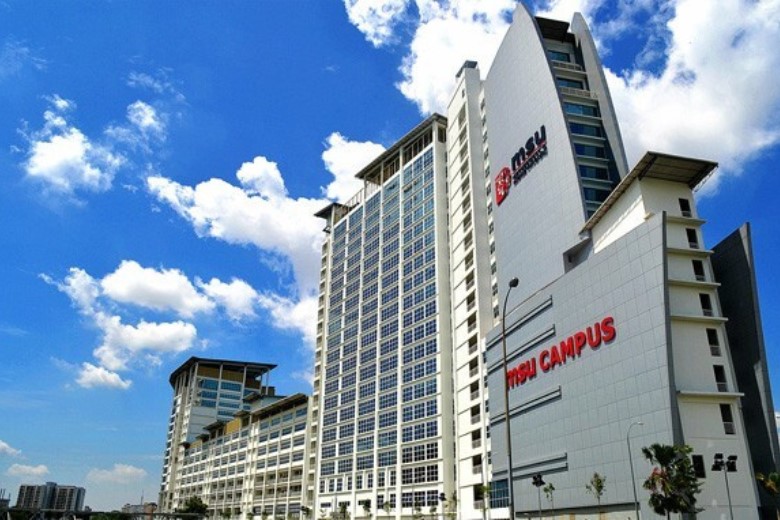
For students across the GCC looking to study abroad, Malaysia is emerging as an attractive and affordable destination with a strong academic offering, modern infrastructure, and a welcoming multicultural society. With top-ranked universities, international branch campuses, and a student-friendly visa process, Malaysia offers globally recognised qualifications and a lower cost of living than many Western countries. Here’s what you need to know if you’re considering Malaysia as your study destination.
Curriculum Style and Program Duration
Malaysia’s higher education system shares similarities with Australia and the UK, offering a structured, English-medium learning experience. The academic year is divided into three semesters and most undergraduate degrees take three years to complete, though some specialised fields like engineering and medicine typically extend to four to six years. Postgraduate programs are typically one year in duration, though some may extend to two depending on the course.
Students Can Explore Three Types of Institutions:
- Public universities: Government-subsidised and a more affordable option.
- Private Malaysian universities: Mid-range in cost and often more accessible for international students.
- International branch campuses: Operated by universities from the UK, Australia, and other global education hubs, offering internationally recognised degrees in Malaysia.
Academic Reputation
Malaysia has steadily climbed the global academic rankings, with Universiti Malaya currently placed among the world’s top 60 universities according to the QS World Rankings. In addition to its national institutions, Malaysia hosts international branch campuses of globally respected institutions such as Nottingham University, Newcastle University, Reading University, and Australia’s Monash University, which is a member of the elite Group of Eight. These institutions bring global expertise and curricula to Malaysia’s education landscape, making it possible to earn an international degree more cost-effectively than in the corresponding home country.
Application Process and Entry Requirements
Admissions to Malaysian universities are primarily grades-based, with top institutions requiring strong academic performance. Universities establish their own deadlines and criteria, which are reviewed and approved by the Ministry of Higher Education. Foundation programs are available for students looking to take a pathway approach from high school to undergraduate degree studies. As all programs for international students are taught in English, language proficiency must be demonstrated in the application process.
Immigration Considerations
Malaysia’s student visa process is streamlined through Education Malaysia Global Services (EMGS), an agency under the Ministry of Higher Education. Once students receive their offer letter, they apply for a student pass online. The visa is typically valid for one academic year and must be renewed annually. This efficient, centralised system makes Malaysia a particularly appealing option for students and parents seeking clarity and security in the immigration process.
Tuition Fees and Scholarships
Tuition fees vary significantly across the different categories of institutions:
- Public universities: AED 10,000 – AED 30,000 per year
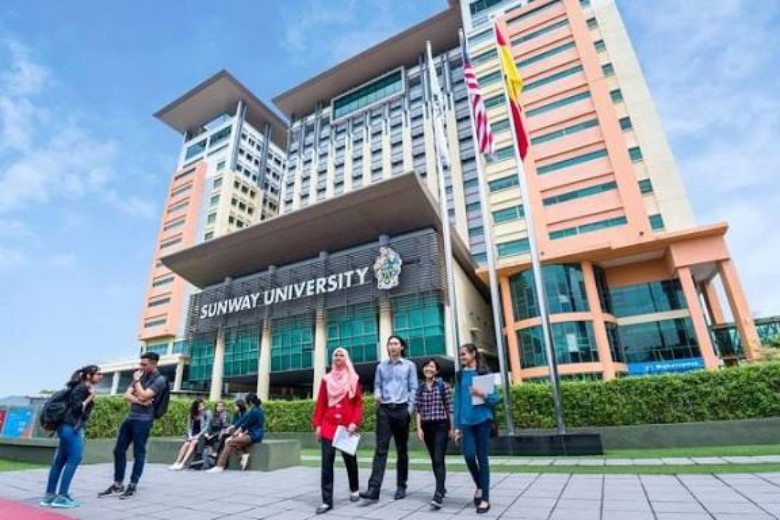
- Malaysian private universities: AED 25,000 – AED 40,000 per year
- International branch campuses: AED 50,000+ per year
While private and international institutions are more expensive, they offer specialised programs aligned to the curriculum of the home campus.
Scholarships are available to international students and can be based on academic merit, sporting excellence, financial need, or demographic background. To promote diversity, some awards are reserved for specific nationalities, or for students from conflict-affected regions.
Accommodation and Cost of Living
One of Malaysia’s strongest draws is its affordability. Living expenses are among the lowest for international students globally. Most universities offer on-campus or university-arranged housing, which students typically use for the first six months. After this, students can choose to stay on, or move into private accommodation, which remains affordable and accessible in student-friendly cities.
Campus Life
Malaysia is a diverse and welcoming country, home to students from over 160 nationalities, including a strong representation of students from the GCC. Around 20–30% of students are from overseas, fostering a truly global learning environment. Campuses are equipped with modern facilities, student societies, international student offices, and orientation programs to help newcomers settle in their new environment. Outside the classroom, Malaysia’s natural beauty, tropical climate, and rich cultural heritage create a vibrant backdrop for university life.
Graduate Career Prospects
Malaysia does not have dedicated graduate visa program, but international students can seek work while studying and if they secure employment upon graduation they will need to exit the country and return on a work visa. Malaysia’s growing economy presents promising opportunities in sectors such as IT, business, and finance. Medical students often complete clinical placements at international campuses, providing them with the additional option to practise in overseas destinations. For students aiming for international mobility and employability, a Malaysian degree, particularly from an international branch campus, can be a valuable stepping stone to further study or employment in global markets.
Interested in exploring Malaysia as a higher education destination? Connect with UniHawk
Further Reading
- Studying Abroad: Why Canada Remains a Top Destination for GCC Students
- Studying Abroad: How Australia Continues to Attract Students from the UAE and Beyond
- Studying Abroad: Is The UK The Right Choice For You?
- Studying Abroad: Why The United States Is Still A Top Choice For International Students