







































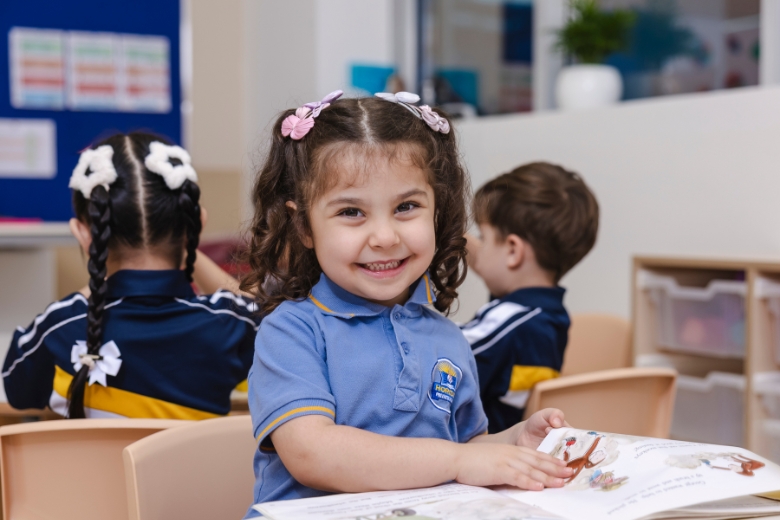
When parents think about school readiness, they often focus on academic skills such as recognising letters, counting, or writing a name. While these milestones are important, true readiness extends beyond academics. A child’s ability to communicate, manage emotions, build relationships, and adapt to new experiences often plays an even greater role in their success at school. Understanding these skills can help parents support a smoother and more confident start to their child’s learning journey.
Holistic Development Matters
Children do not arrive at school as blank slates waiting to absorb information. They arrive with unique personalities, emotions, experiences, and ways of learning. A child who can confidently express their needs, follow simple routines, take turns, and cope with small challenges is often better equipped for school than a child who has mastered early academic tasks but struggles with independence or emotional regulation. School readiness therefore involves developing the whole child. Social, emotional, physical, and communication skills work alongside academic learning to help children settle into a new environment and engage positively with others.
The Important Role of Play
Play remains one of the most effective ways young children learn. Through imaginative games, construction activities, outdoor exploration, and collaborative play, children develop essential life skills. They learn how to negotiate, solve problems, communicate ideas and work with others. For example, building a tower with blocks encourages perseverance and critical thinking. Role-play activities help children develop language and empathy. Meanwhile, group games teach cooperation and turn-taking.
Importantly, play also helps children understand that making mistakes is part of learning. This mindset can support resilience and confidence when they encounter challenges in school. Parents sometimes worry that play is separate from learning. However, early childhood specialists consistently emphasise that purposeful play provides many of the foundations children need for future academic achievement.
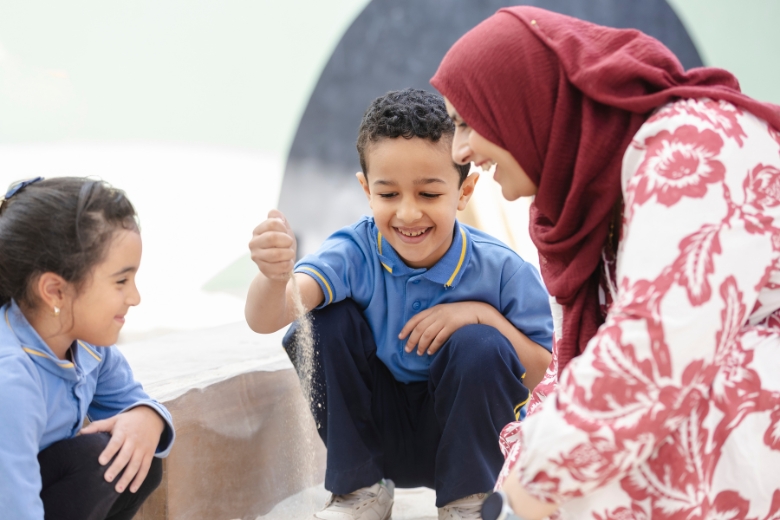
Building Independence from an Early Age
Confidence often develops through everyday experiences. Simple tasks such as putting on shoes, tidying up toys, carrying a school bag, or making age-appropriate choices help children develop a sense of responsibility and self-belief.
These small moments encourage children to see themselves as capable individuals who can solve problems and manage situations independently. Furthermore, children who are given opportunities to practise independence at home often find it easier to adapt to classroom routines and expectations. Parents can support this development by allowing children time to complete tasks themselves, even if it takes a little longer.
Belonging Supports Learning
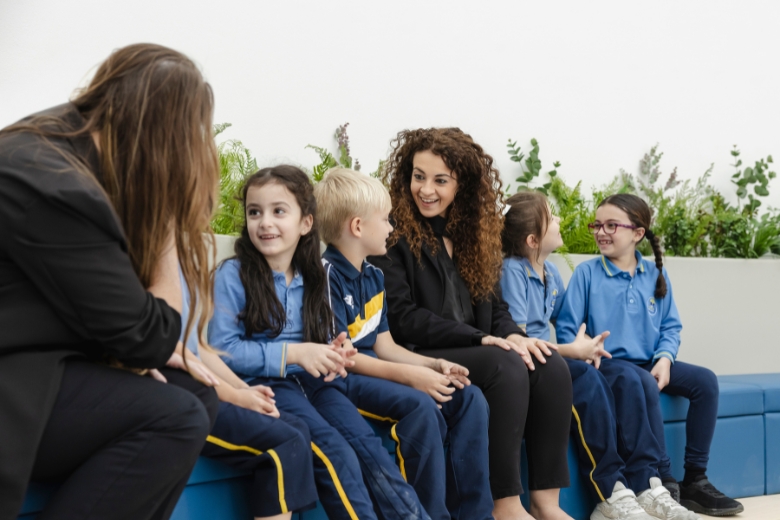
Feeling safe and valued is a crucial part of school readiness. Children learn best when they feel they belong. A strong sense of belonging gives them the confidence to ask questions, participate in activities, form friendships, and take learning risks. Positive relationships with adults and peers play a significant role in creating this sense of security. When children feel understood and respected, they are more likely to develop a positive attitude towards learning.
In addition, strong partnerships between schools and families help create consistency for children during important transition. When parents and educators work together, children receive the encouragement and support they need to navigate new experiences with confidence.
Preparing Children for Life, Not Just School
Ultimately, school readiness is not about how much a child knows before they walk through the classroom door. It is about whether they are ready to learn, explore, communicate, build relationships, and respond positively to challenges. Academic skills remain important. However, curiosity, resilience, confidence, independence, and emotional wellbeing are equally valuable foundations for future success.
By focusing on the whole child, parents and educators can help children develop the skills they need not only for a successful start at school but also for lifelong learning and personal growth. The most important question is not whether a child can recite the alphabet or count to 100. It is whether they feel confident, secure, and excited to discover what comes next.
For more information, please visit
Further Reading
- A School Built Around Students, The Horizon Private School Story
- New School Coming to Dubai: Horizon English School Town Square to Open in 2027