







































When routines shift, and questions grow, calm, connection and consistency matter most. Schools across the UAE have extended distance learning well beyond spring break. CBSE board exams have been rescheduled. Routines have dissolved overnight. For children and the parents holding it all together, this is a lot.
Here’s how to help them not just cope but become more resilient as they go through this challenging period in their lives. Simple things matter: familiar routines, favourite meals, tidy spaces, and family connection points. The home environment should feel like a safe, predictable space where children can reset emotionally.
“Right now, it’s not about having all the answers, it’s about being there for my child and helping them feel safe.”
Parent, Abu Dhabi
Recognising the Signs in your Child

Going quiet, avoiding family time, or losing interest in favourite activities
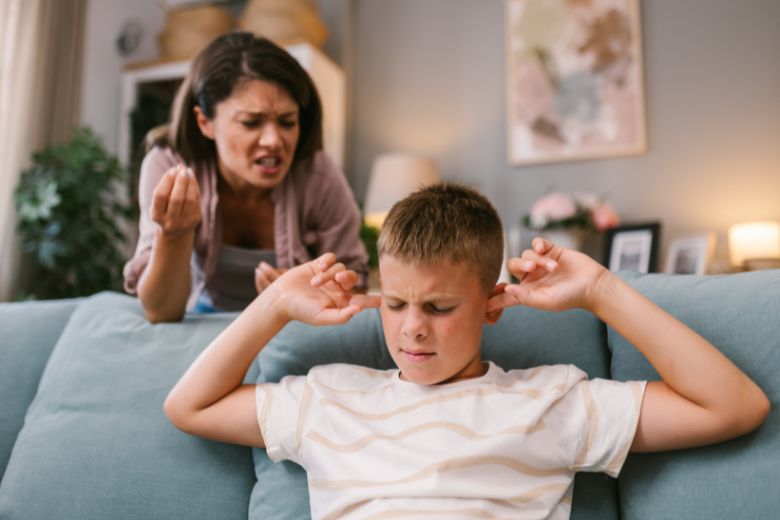
Short fuse, arguments over small things, often a sign of suppressed anxiety

Trouble falling asleep, waking at night, or sleeping much more than usual
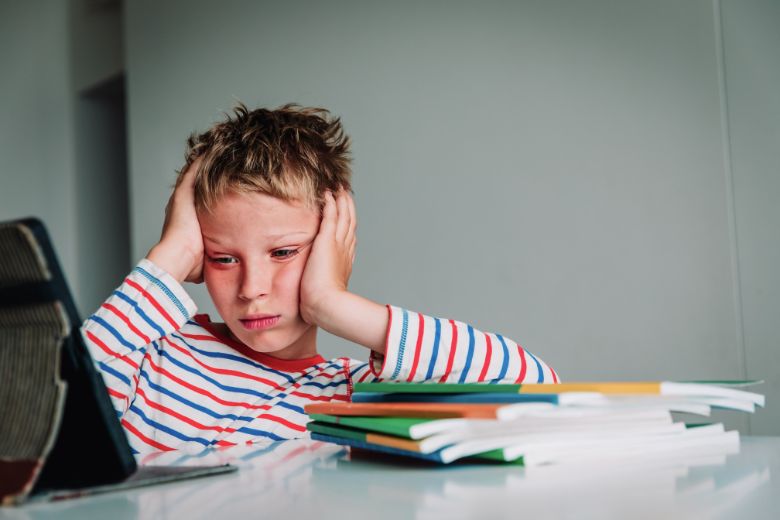
Resistance to online lessons, panic around exams, or difficulty concentrating
What You Can Do, Ten Tips for Anxious Times
01
CREATE A SENSE OF ROUTINE
Uncertainty thrives in formless days. Create a gentle, predictable structure, with wake-up times, learning blocks, meals, and downtime at consistent hours. Visual schedules on a whiteboard or the fridge work especially well for younger children who need to see the shape of the day. Where possible, create small rituals children can rely on, such as a shared breakfast, a daily walk, or a consistent wind-down routine in the evening.
02
TALK OPENLY, WITH STEADY VOICES
Children fill silence with fear. Acknowledge what has changed. School for now is at home, exams have moved, using calm, age-appropriate language. “Things are different right now, and it’s okay to feel strange about that” goes further than false reassurances. Ask children questions about how they are feeling. When children feel listened to and supported, even difficult conversations can strengthen trust and understanding within the family. It is also okay to say “I don’t know”; honesty builds far more security than trying to have perfect answers.
03
LET THEM TAKE OWNERSHIP
Action gives you control, and control creates calm. Let children take ownership of something small, helping you re-decorate or re-organise their room, choosing a family activity, ordering the weekly online shop, or cooking one meal a week. Competence builds confidence when the wider world feels out of control.
04
CREATE HEALTHY SCREEN BOUNDARIES
Distance learning means screens are tools, not treats. Create visual or physical boundaries between school screen time and recreational screen time – different chairs, have a shutdown ritual, or a 30-minute break between sessions where children completely switch off. Keep mobile phones away during online school time. Encourage them to step outside, stretch, or do something creative to help the brain switch modes.
05
PRIORITISE DAILY MOVEMENT
Early morning outdoor time, building-lobby circuits, yoga videos, or even a dancing competition in the living room. Physical movement is non-negotiable for regulating mood and sleep in children of all ages. Even short bursts of movement throughout the day can significantly reduce stress levels and improve focus during learning sessions.
06
REDUCE EXAM PRESSURE
For CBSE students, especially, postponed exams create prolonged dread. Remind them: extra time is extra preparation. Shift the focus from the deadline to daily progress – one chapter, one practice paper, one small win at a time. Help them create a simple, realistic revision plan so the situation feels manageable rather than overwhelming.
07
TAKE CARE OF YOURSELF
You cannot pour from an empty vessel. Your regulated nervous system is the greatest gift you can give your child. Build in 20 minutes daily that belongs entirely to you. This isn’t selfish; it’s a great parenting strategy. Children take emotional cues from adults, so even small moments of calm, pause, or reset in your day can have a powerful ripple effect across the whole family.
08
PROTECT THEM FROM OVEREXPOSURE TO THE NEWS
Children do not need constant updates. Be mindful of the news playing in the background or conversations they may overhear. Give them the information they need but protect them from overload. Reassurance comes from stability, not repetition of uncertainty.
09
FOCUS ON CONNECTION OVER PERFECTION
This is not the time for perfect routines or perfect learning outcomes. Sitting together, talking, laughing, and being present matters more than getting everything “right.” Connection is what builds resilience.
10
STAY CONNECTED TO SCHOOL COMMUNITIES
Encourage children to stay in touch with classmates and teachers where possible. Even short virtual interactions can help maintain a sense of normality and belonging during periods of disruption.
For more parent guides, school insights and expert voices, visit