






































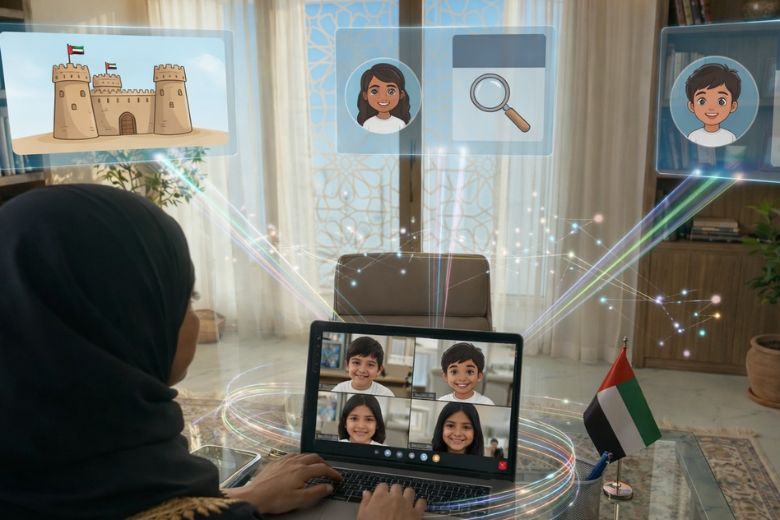
The Ministry of Education has issued national distance learning guidance for private schools not following the Ministry curriculum for Term 3 of the 2025 to 2026 academic year.
The framework sets out clear expectations to ensure continuity of teaching and learning during periods of remote education. It aims to maintain learning standards, support student wellbeing and provide structured, consistent approaches across schools.
Schools are expected to ensure that distance learning maintains continuity, supports safe learning environments, provides clear expectations, includes structured timetables and encourages communication with families.
Activation and Communication
Schools are required to activate distance learning promptly when instructed and clearly communicate timelines to students and families.
They must share timetables and expectations in advance and provide updates where necessary. Clear communication is seen as essential for a smooth and organised transition.
Delivery Model for Effective Learning
The guidance outlines a blended approach to distance learning, combining different methods to ensure engagement and balance.
Schools may use live instruction through virtual sessions, independent learning tasks, offline activities and recorded materials.
This combination is intended to support continuity while reducing excessive screen time and maintaining student engagement.
Learning Timetable and Lesson Duration
Schools are required to implement structured timetables that balance live lessons, independent study and offline activities.
Timetables should include regular breaks, opportunities for physical activity and clear daily schedules communicated to families. The aim is to support learning continuity while protecting student wellbeing.
Schools should also take into account recommended instructional time based on age groups, as outlined in international guidance models:
| Age group | Grades | Instructional time per day |
|---|---|---|
| 4 to 6 years | KG1 to KG2 | 60 to 120 minutes |
| 6 to 8 years | Grades 1 to 2 | 120 to 180 minutes |
| 8 to 10 years | Grades 3 to 4 | 180 to 210 minutes |
| 10 to 14 years | Grades 5 to 8 | 210 to 270 minutes |
| 14 to 18 years | Grades 9 to 12 | 210 to 270 minutes |
Instructional time excludes breaks.
Attendance and Participation Expectations
Schools must monitor attendance and participation through live sessions, assignment submissions and engagement on digital platforms.
They are expected to maintain daily records, follow up on absences and communicate with families where participation is low. Support should be provided to students facing challenges in accessing or engaging with learning.
Assessment and Feedback
Assessment during distance learning should remain flexible and supportive, focusing on progress rather than only outcomes.
Schools are expected to continue both informal and formal assessments, including short checks, assignments, projects and participation. Teachers must provide timely and constructive feedback to guide student learning.
Ensuring Equity and Access
The guidance places strong emphasis on inclusion, requiring schools to ensure all students can participate in distance learning.
Where access to devices or internet is limited, alternative learning materials and methods should be provided. Schools must maintain communication with families to support engagement.
Digital Safety and Responsible Use
Schools must ensure that distance learning takes place in a safe and respectful online environment. They are required to use approved platforms, protect student privacy and communicate clear expectations for online behaviour. Students should be guided not to share personal information and to use digital tools responsibly.
Roles and Responsibilities
The guidance outlines clear roles for school leaders, teachers, students and families. School leaders are responsible for communication, monitoring and supporting implementation. Teachers must plan and deliver lessons, track progress and provide feedback. Students are expected to attend sessions and complete tasks, while families play a key role in supporting routines and access to learning.
Technical Support and Platforms
Schools must ensure access to approved digital platforms and provide guidance on their use. Technical issues should be reported promptly, and all platforms must comply with privacy and safety policies. Clear communication on which platforms are being used is essential for consistency.
Focus on Student Wellbeing
Monitoring student wellbeing is a central requirement. Schools are expected to check in regularly with students, maintain communication with families and provide guidance on healthy routines. Additional support should be offered where needed, including access to school support services.
Support for Students of Determination
Schools must continue to provide appropriate support for students of determination.
This includes adapting learning activities, maintaining communication with families and ensuring accessibility of materials. Inclusive education policies must remain in place during distance learning.
Practical and Physical Learning Activities
The guidance encourages the inclusion of practical and physical activities that can be completed safely at home.
These may include simple science tasks, creative projects and physical education activities supported by guidance or recorded demonstrations.
Monitoring and Continuous Improvement
School leadership is expected to monitor participation, learning progress and the effectiveness of distance learning.
Feedback from teachers and families should be used to improve practices, with records maintained in line with Ministry requirements.
Compliance with National Policies
Schools must ensure that all distance learning practices align with national education policies, including safeguarding, digital safety and inclusive education standards. They are required to follow all Ministry directives issued during periods of remote learning.
Transition Back to in Person Learning
When schools return to normal operations, a structured transition is required. Schools should review student progress, identify learning gaps and provide additional support where necessary. Time should be given for students to read just, with clear communication to families throughout the process.
For more details please visit,
Further Reading:
- UAE Extends Distance Learning for Nurseries and Schools Until April 17
- IB May 2026 Exams Cancelled in UAE as Students Move to Alternative Assessment
- MOE to Review Dubai Private School On-Site Learning Requests on Case by Case Basis