






































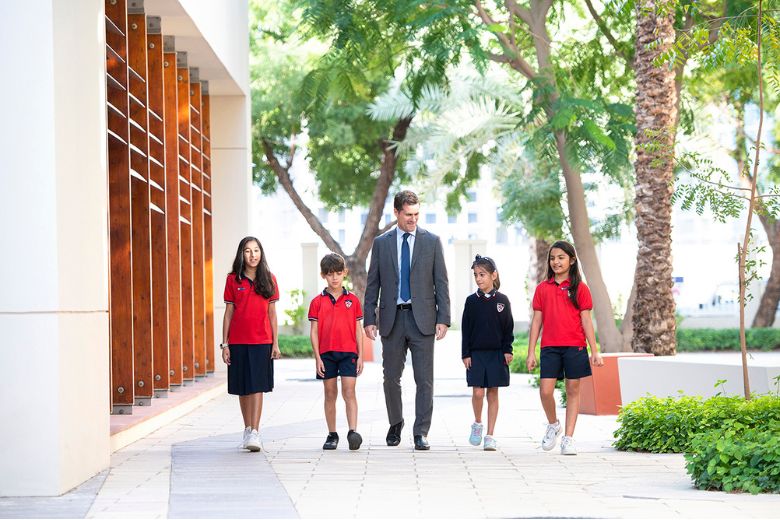
By David Hutson, Head of School at Dwight School Dubai
Periods of uncertainty can quickly disrupt the daily routine and the continuity of learning that students need. When schools move to distance learning, the challenge is not simply transferring lessons online, it is maintaining stability and reassurance for students and families at a time when these routines and continuity are challenged.
One of the most important roles schools play during these moments is providing structure through their timetabled lessons. The predictability of a school day helps students focus, regulate their planning, and emotions, and maintain a sense of normalcy. When learning moves online, preserving some sort of routine becomes essential.

Technology Enables Distance Learning, It Does Not Define It
Technology makes distance learning possible, but effective remote learning is not simply about digital tools. The most successful programmes focus on maintaining the same educational principles that guide in-person learning, strong teacher-student relationships, thoughtful instruction and opportunities for collaboration. Virtual classrooms can still provide discussion, feedback and interaction when carefully structured. Students benefit when lessons remain dynamic and interactive rather than becoming passive exercises in content delivery.
Supporting Emotional Wellbeing
At the same time, schools must recognise that academic continuity is only one part of the picture. Periods of global uncertainty, especially when widely discussed in the news and on social media, can affect how young people feel about their safety and the world around them. Students often absorb far more information than adults realise, and without context this can lead to anxiety or distraction. Schools therefore have a responsibility to support emotional wellbeing alongside learning.
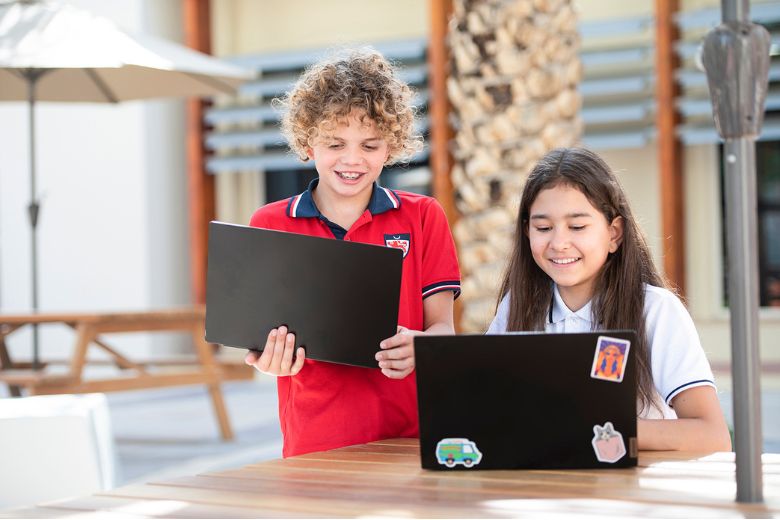
Teachers and school leaders can play an important role in helping students process what they are seeing and hearing. Creating space for conversation, encouraging questions and reassuring students with age appropriate explanations helps restore a sense of stability. A strong pastoral approach ensures students feel supported rather than overwhelmed by the wider environment.
Leading With Clarity, Communicating With Care
Clear communication with families is equally critical. When circumstances change quickly, parents naturally want clarity about what to expect. Schools that communicate regularly and transparently can help families feel confident that their children’s education remains on track. This includes outlining expectations for distance learning and providing guidance on how parents can support students at home.
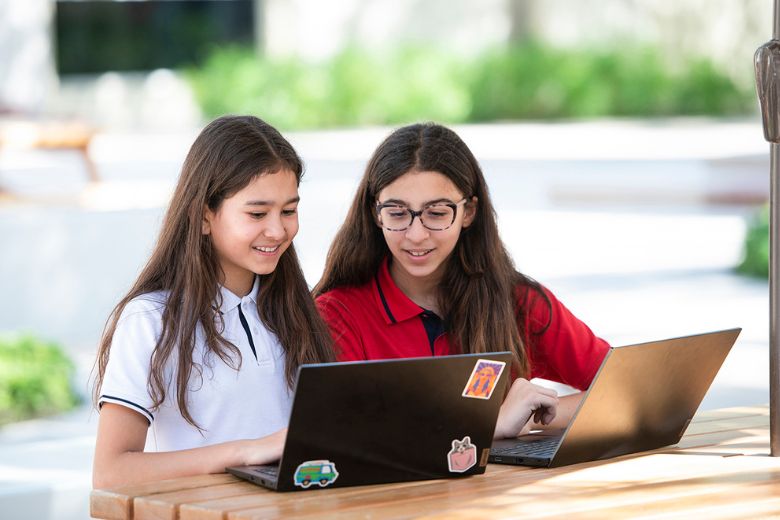
Effective communication also means recognising that households face different realities. Some families may be balancing work commitments alongside supporting their children’s learning, while others may be navigating challenging circumstances such as being in a significantly different time zone during distance learning. Flexibility and empathy from schools whether it be asynchronous or synchronous distance learning help ensure that families are supported and expectations remain realistic rather than adding additional pressure.
Leadership and Trust
Leadership within schools becomes particularly important during these moments. A calm and consistent approach from school leaders reassures both staff and families that learning continuity and wellbeing are at the forefront of decision making and being carefully managed. Clear decision making, regular updates and a focus on student wellbeing helps to maintain trust across the school community.
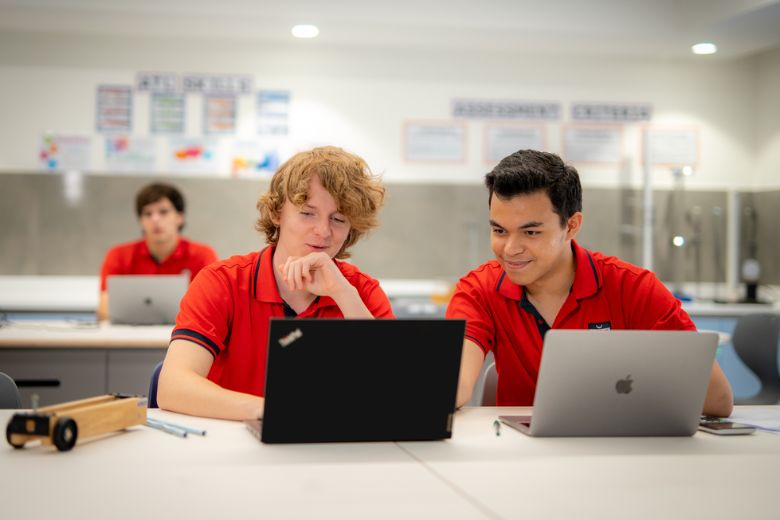
The experience of recent years has shown that distance learning, when thoughtfully implemented, can still provide meaningful educational progress, however, its success depends less on technology itself and more on the strength of the relationships and systems that support students and staff.
Ultimately, education is not defined by physical classrooms. It is defined by the commitment of schools to guide, support and inspire students even when circumstances change and are challenging. By maintaining routines and structure, prioritising wellbeing, and communicating clearly with families, schools can ensure that students continue to feel secure in their learning journey, regardless of where that learning takes place.
For more information, visit
Further Reading:
- Dwight School Dubai’s IB Career-related Programme Prepares Students for Real-World Success
- A Thought Leadership Perspective from Dwight School Dubai
- Dwight School Dubai: Where Innovation Meets Excellence