





































Children don’t grow on a deadline
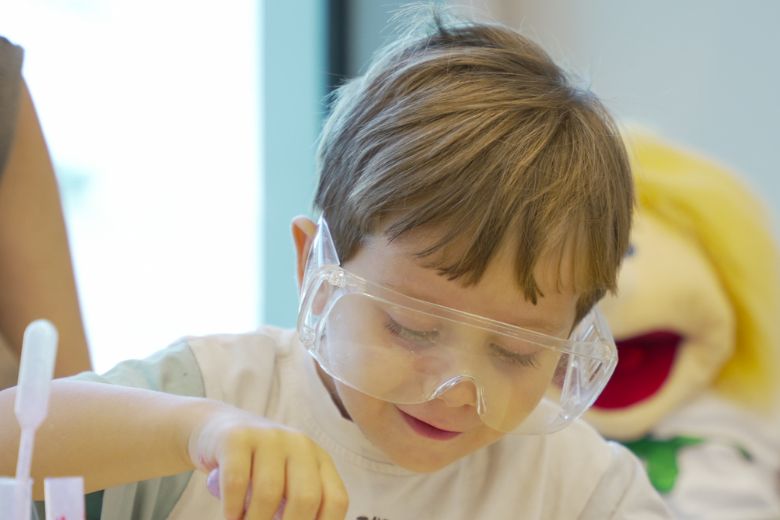
In the early years, children grow quietly. Growth happens through everyday experiences, through repetition, secure relationships, and small moments that build understanding over time. Children grow through being listened to and through daily interactions that help them make sense of language, relationships, and emotion.
The early years are not a “waiting room” for school. They are the stage where the foundations for everything that follows are built. Communication, self-regulation, social confidence, and learning behaviours. UNICEF describes early brain development as extraordinarily active, with more than one million neural connections forming every second, shaped by everyday interactions and experiences. By around age five, the brain is often cited as being close to adult size (around 90%). This does not mean development is finished; it means early experiences lay the architecture for later learning.
Readiness Should Not Be Decided by a Birthday Alone
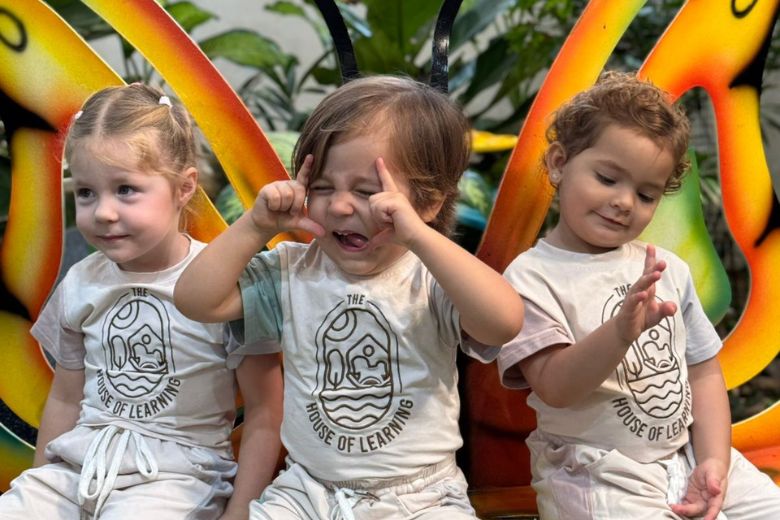
While school entry is linked to eligibility, readiness develops gradually and at different speeds. A child may be able to cope with school, but coping is not the same as thriving. Many school settings ask a great deal of young children: longer days, larger groups, frequent transitions, less one-to-one support, and higher expectations of independence. To manage this, children rely on capacities that take time to strengthen stamina, emotional regulation, confidence in communication, and the ability to remain settled in group settings.
A child may be able to cope with school, but coping is not the same as thriving.
In early years, children are not just playing. Play is where children practise the skills that make school life workable: joining friendships, learning social rules, negotiating, taking turns, persisting, and recovering after frustration. Children also develop through responsive, back-and-forth interactions with adults often described as “serve-and-return.” When adults respond warmly and consistently, children build language, attention, emotional security, and the confidence to participate.
What School Readiness Looks Like at THL
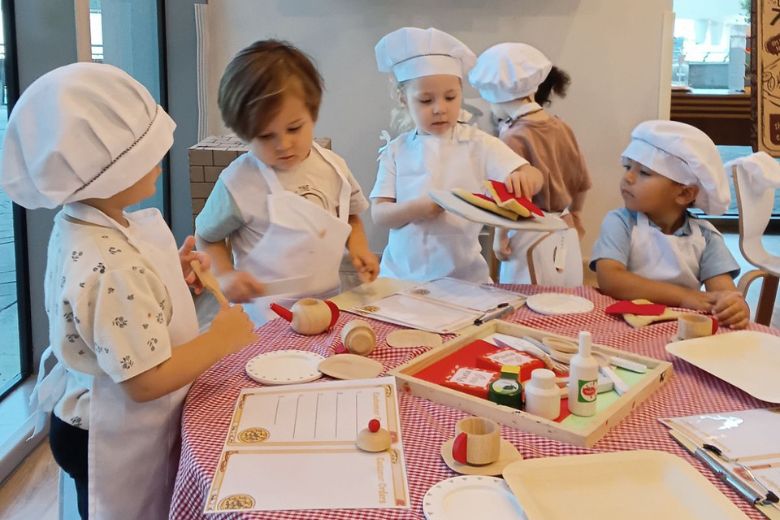
At The House of Learning (THL), we see how readiness grows through consolidation. Children who have time to play deeply, use language freely, and work through challenges with support often approach the next stage with greater stability. They ask for help when they need it, wait with more ease, and recover more quickly when a day feels difficult.
At The House of Learning, we see how readiness grows through consolidation.
Pressure matters. When expectations sit beyond a child’s developmental capacity for long periods, stress rises. Stress can look like tears, avoidance, shutdown, or behaviour that is actually communication. In those moments, children can spend their energy coping rather than learning. Supportive adult relationships buffer pressure and build resilience over time.
How THL Supports School Readiness
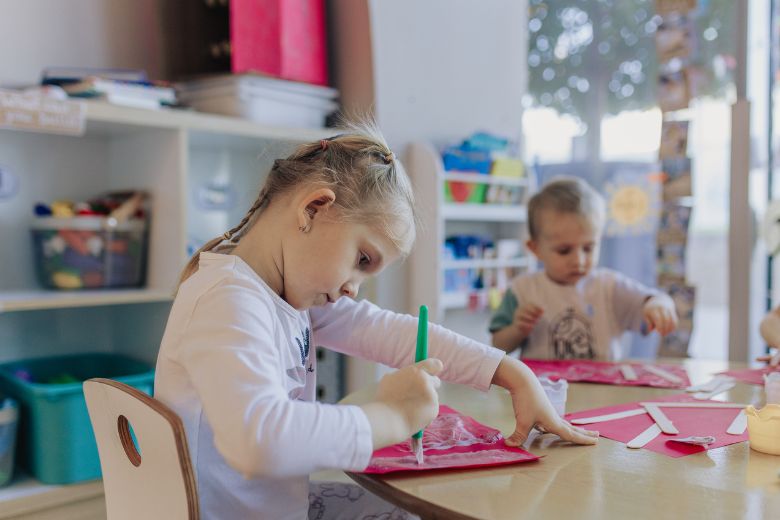
We observe each child across the EYFS areas, identify strengths, and plan next steps that are realistic and developmentally appropriate. We prioritise small group learning so children can practise shared attention, listening and responding, turn taking, cooperative problem solving, and independence in routines. We protect time for deep play because it is where children repeatedly practise regulation, language, and social understanding.
Choosing the Right Start for Your Child
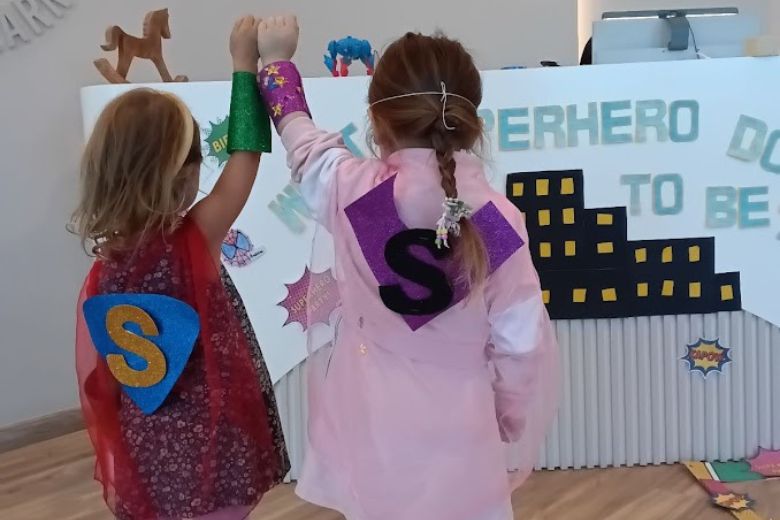
Deciding on the right educational setting for your child is important. While families may not be able to change cut-off dates, you do have a significant choice to make. You can either move your child into a school setting as soon as they become eligible or choose to keep them in a smaller nursery environment for a longer period. In a nursery, you may find that the pacing and support can be more tailored to your child’s needs.
Early childhood is a unique opportunity that happens only once.
School will always be there. Early childhood is a unique opportunity that happens only once. Choosing a nursery pathway that respects a child’s individual pace allows them the time to solidify the foundational skills they need. This way, they can transition to school not only prepared to start but also ready to thrive with confidence and care.
Choosing a nursery pathway that respects a child’s individual pace allows them the time to solidify the foundational skills they need.
Contact us today to book a visit and see why so many families choose us as one of the UAE’s leading nurseries.