






































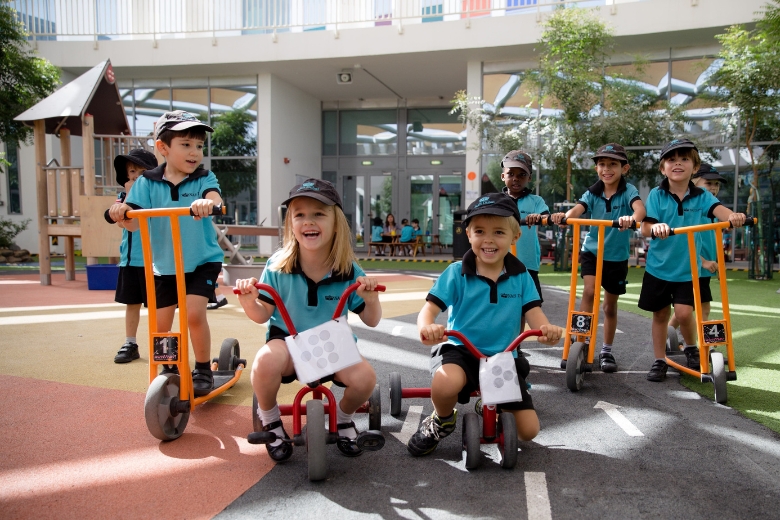
91% of Parents Know Play Matters. So Why Don’t We Do It?
From sleep scores to step counts, productivity hacks have infiltrated modern life, creating an optimisation culture that many are beginning to question. New research from Nord Anglia Education shows parents believe that constant tracking and optimisation of daily life is making us more anxious and less happy.
The Permission to Play Report, based on responses from more than 500 UAE parents, as well as education experts, explores attitudes towards play, wellbeing, and modern life in an era increasingly defined by performance, measurement, and achievement.
- Survey of 500+ parents reveals 82% say it’s harder to switch off now than when they were children
- More than half believe constant tracking and optimisation is increasing anxiety
We Haven’t Forgotten. We’ve Just Stopped Giving Ourselves Permission
The encouraging finding in Nord Anglia Education’s Permission to Play report is that parents have not abandoned play entirely. Six in ten say they played in the last week. They understand its value, remember the joy it brought them as children, and overwhelmingly recognise its role in their own wellbeing.
The challenge is not awareness. It is something more subtle.
Between work, family commitments and the pressure to always be productive, play increasingly competes for space in adult lives. Our feeds are filled with gurus, creators and influencers promoting performance and self-improvement. Steps, sleep, exercise, calories and productivity can all be measured, tracked and analysed. And while these tools can be helpful, the research suggests they have quietly changed our relationship with leisure.
- Nearly 8 in 10 parents feel pressure to use their free time productively.
- 34% say they feel pressure to improve every area of their lives.
- Only 3 in 10 say they have enough time for themselves.
The barrier is not the desire to play. The barriers are guilt and time. Elizabeth Lamb, Regional Managing Director, Middle East, Nord Anglia Education said,
“Play is an integral part of a balanced, healthy society. But somewhere along the way, adults have forgotten that. Children rarely need permission to play, but many adults feel they need permission to stop. Our research shows that while we understand the value of play, modern life has made it increasingly difficult to prioritise. In a culture that celebrates productivity and optimisation, play can often feel like a luxury rather than a necessity.”
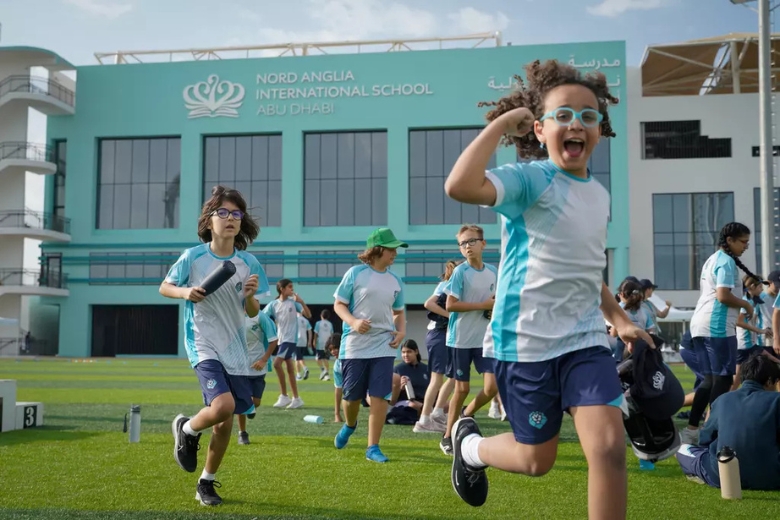
At Nord Anglia Education, play is not seen as a break from development. It is development. Imagination, creativity, social bonding and exploration are not extras. They are the work.
“Play is not time wasted. It is essential to our wellbeing, relationships, creativity, and resilience”
What Message Are We Sending?
Here is the contradiction at the heart of the research. Nearly 90% of adults say they spent the majority of their own childhood playing. Research from the Pew Research Center shows that parents overwhelmingly prioritise their children’s happiness and wellbeing over academic and financial success. Few consider productivity a key goal for their children.
So why can’t we prioritise the same for ourselves?
- Nearly 90% of adults say they spent the majority of their childhood playing.
- 82% agree we have forgotten how to play the way children do.
- 91% say play is extremely important for wellbeing.
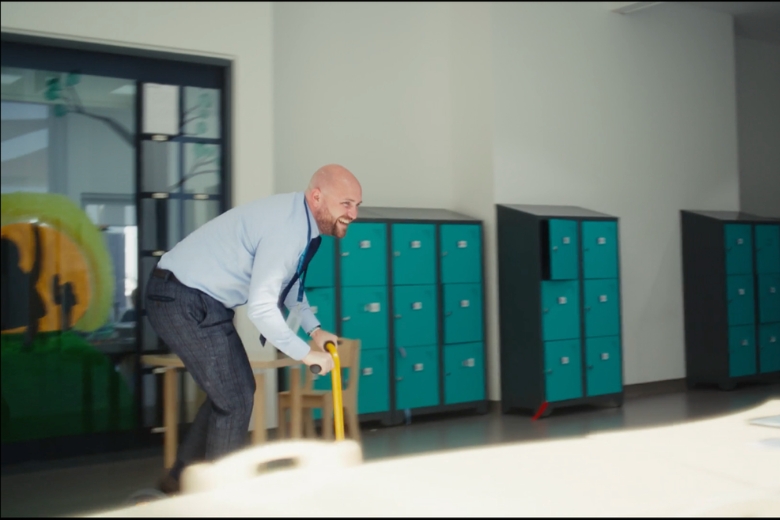 Education leaders say play is not a distraction from success. It is one of its strongest foundations
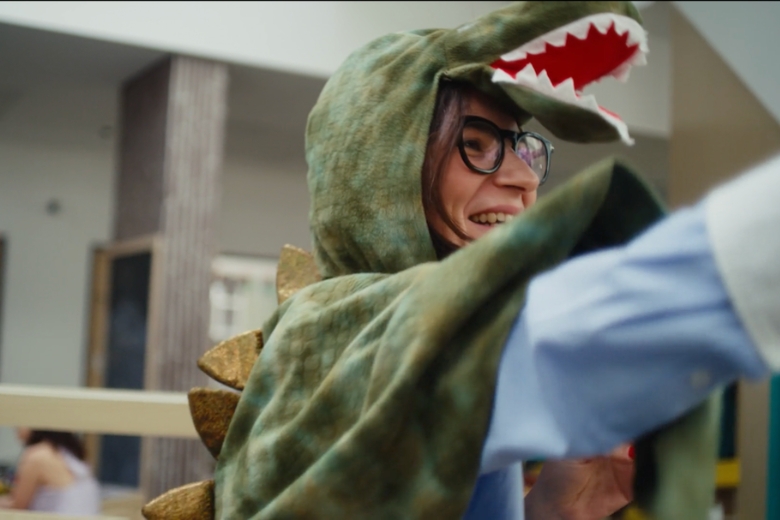 91% of UAE parents believe play is vital for wellbeing, yet many struggle to make time for it
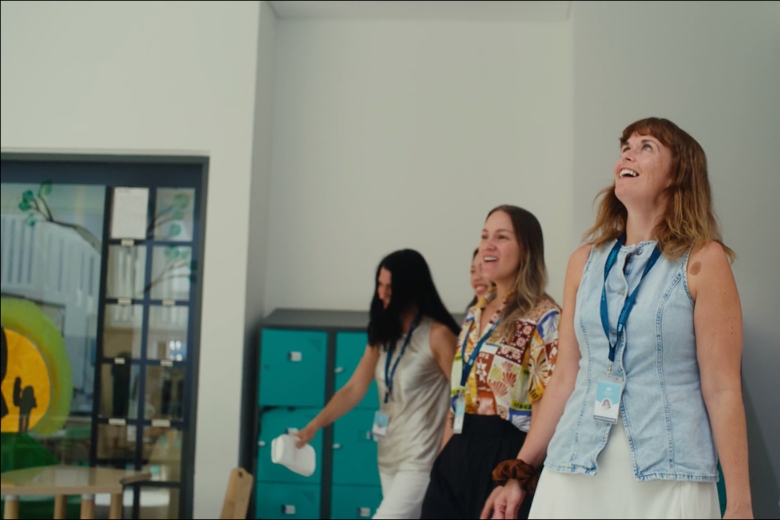 New research from Nord Anglia Education reveals why adults need permission to play again
Kathryn Kelly, Assistant Head and PYP Coordinator at Swiss International Scientific School Dubai, reflects on what this means in practice. She says,
“In a culture increasingly driven by optimisation and measurable outcomes, play reminds us that curiosity, wellbeing, creativity and human connection are not distractions from success, they are foundations for it. One of the greatest misconceptions about play is that it sits outside of learning. In reality, play is how children learn best. It’s through play that children build relationships, develop confidence, practise communication, solve problems and learn to navigate challenges. As educators, we see every day that children do not separate play from learning, creativity from achievement, or enjoyment from growth. Play is a vehicle for deep learning rather than something separate from it. Perhaps there is something adults can learn from that.”
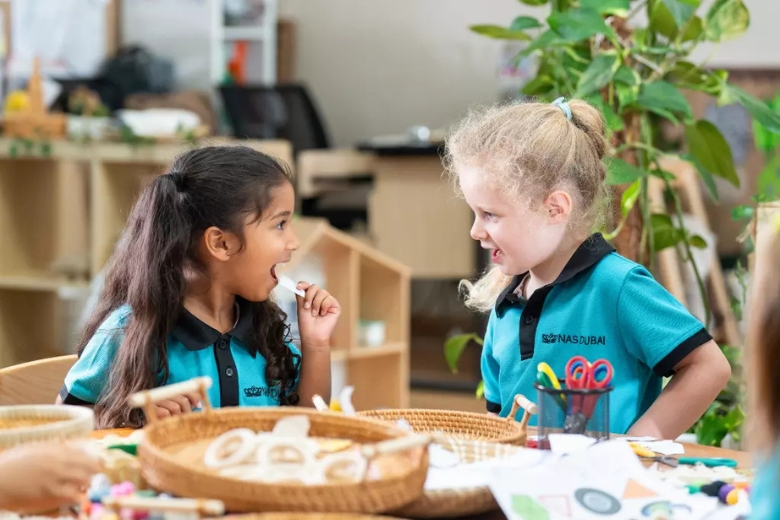
The Permission Gap
The findings point to an interesting contradiction. Parents understand the importance of play. They believe it contributes to wellbeing, connection and happiness. Yet many still struggle to prioritise it.
The issue is not awareness. It is permission.
In a culture that celebrates achievement, productivity and constant self-improvement, many adults find it easier to make time for obligations than for joy. Our greatest battle appears to be handing ourselves the permission to simply switch off, play and enjoy ourselves.
Our best example might be simply looking at our children.
Stop Tracking. Start Playing.
Perhaps the challenge facing modern adults isn’t learning how to play again. Perhaps it is remembering that we are allowed to. As the demands on our time continue to grow, play remains one of the few things we do simply because it enriches our lives.
It helps us connect, recharge, imagine and create. And if there is one lesson children continue to teach us, it is that some of life’s most valuable moments are also the least measurable.
Sometimes, the healthiest thing we can do is stop measuring and start enjoying.
Permission to Play is Nord Anglia Education’s report on the state of adult play in 2026, based on research with more than 500 UAE parents and leading education and psychology experts. To read the full report, visit nordangliaeducation.com
For more details please visit
Further Reading
- Swiss International Scientific School Appoints Pauline Nord as Principal to Strengthen Bilingual and IB Education
- Repton Dubai Class of 2026 Celebrates Graduation With More Than 110 Offers From the World’s Top Universities