






































Harrison College has been recognised at the prestigious GESS Awards 2025 for redefining what inclusive post-16 education can achieve. Based in Doncaster, the specialist college was established in 2019 in response to the 2018 SEND Review in Doncaster, which identified a significant gap in educational provisions for academically able young people, aged 16–25, with autism or SEMH needs. At the time, only three special schools existed, all catering to learners with severe and multiple learning disabilities, leaving a niche group underserved.
Following government plans to allocate additional high-needs funding and SEN capital in 2019/20, Harrison College emerged to address these challenges while aligning with Doncaster’s Education and Skills Strategy 2030 and the South Yorkshire Local Skills Improvement Plan.
The national context further underscored the importance of such initiatives. With around 700,000 people with autism in the UK, only 22% are in paid employment, and each individual potentially costing £1.5 million over a lifetime in care and lost earnings, there is immense potential for systemic savings and improved outcomes through early intervention and proper support. By equipping students with the skills needed to enter the workforce confidently, Harrison College not only supports individual independence and well-being but also helps alleviate broader societal and economic pressures.
At the heart of its success lies a simple belief: when education connects directly to opportunity, independence becomes possible not only for learners, but for families and communities too. The award celebrates a model that is changing lives locally while setting an example globally for inclusive education.
Congratulations Again on Your GESS Award Win. What Does This Recognition Mean to You and Your Organisation?
Winning this award is an incredible honour for our team and our community. Inclusivity is at the heart of everything we do, from our tailored curriculum and supported internships to enrichment activities that empower every learner to thrive. This recognition is not just for Harrison College, but for Doncaster and the UK, showcasing that small, specialist institutions can lead the way globally in inclusive education.
Tell Us About Your Winning Project/Initiative/Product. What Inspired its Creation, and What Challenge Were You Aiming to Solve?
Harrison College is a pioneering post-16 provider that rejects one-size-fits-all education. By embedding young people with autism and SEN directly into the world of work, we shatter traditional classroom boundaries and spark genuine opportunity. We believe that no matter a learner’s background, “there are no limits” to what they can achieve. Through a business-focused curriculum and the national Skills Builder framework, students grow problem-solving, teamwork, communication skills and financial literacy alongside academic learning. Internships coupled with employer mentorship guide each student from observation to ownership of meaningful tasks. Success is measured by sustained employment, apprenticeships or further study, with alumni often securing promotions within 18 months.
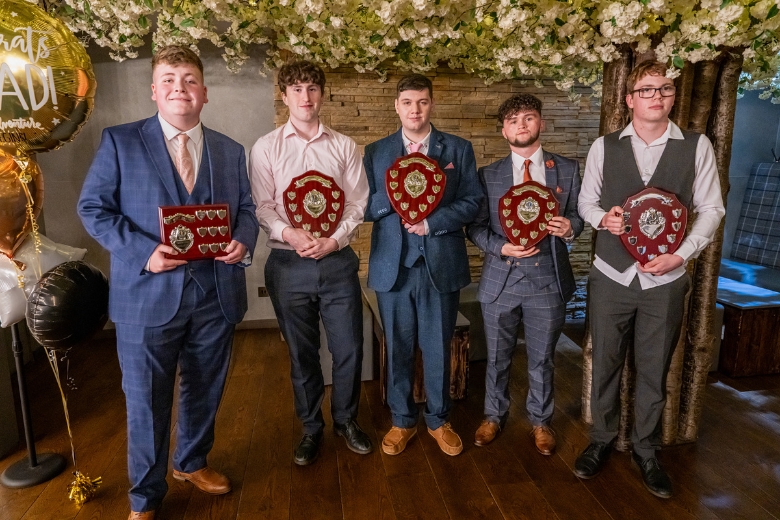
We believe that no matter a learner’s background, “there are no limits” to what they can achieve
How We Promote Social Mobility
- Employer-Driven Learning
Partners with 200+ organisations, from local SMEs to national brands like Polypipe, co-designing curricula and host immersive projects.
Over 3,000 employer engagements each year ensure learning stays aligned with real labour-market needs. - Internships
Each student completes a mentored internship building autonomy whilst the host businesses gain skilled, loyal talent. - Embedded Careers Education
Workshops on CV design, mock interviews with executive panels and digital-literacy bootcamps equip students to navigate modern workplaces
Accredited Careers Mark status - Social Action & Community Projects
From urban greening in deprived neighbourhoods to sensory gardens and pop-up social enterprises, students lead initiatives that benefit their communities and strengthen civic pride. - Advocacy & Cultural Change
Annual Neurodiversity conferences and in-company EDI training amplify our impact beyond campus, inspiring partner organisations to adopt inclusive recruitment and retention practices.
Impact by the Numbers
90%+ of graduates enter employment, apprenticeships or further education.
By aligning our model with local economic goals and embedding social mobility at every turn, Harrison College transforms students’ lives and in doing so, injects fresh talent and inclusive mindsets into the wider community.
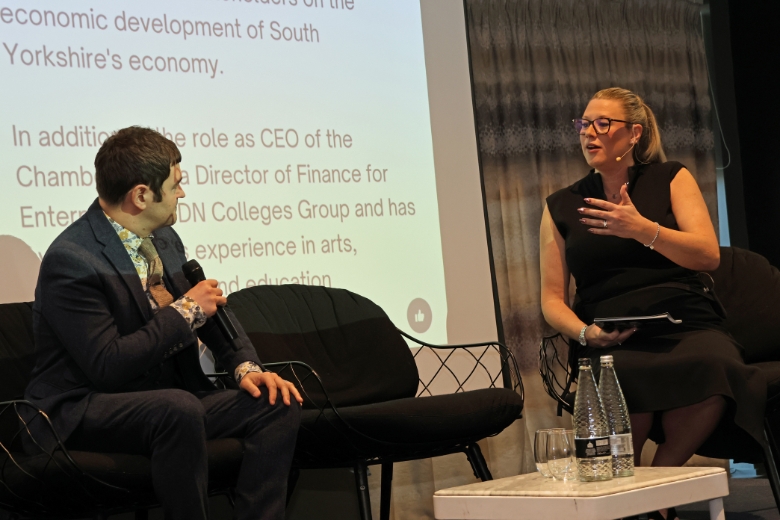
What Impact Has Your Initiative Had So Far On Students, Staff, Families, or the Wider Community?
Harrison College has a smaller than average cohort, annually around 55 young people, who have an additional need such as autism, ADHD or a SEMH need. According to ONS and autistica.org.uk only around 30% of working-age autistic people are in any paid work. It specifically shows just 21.7% of autistic people are in employment, the lowest rate of any disability group. In addition, only 36% of autistic graduates secure full-time work within 15 months of finishing their degree and are twice as likely to be unemployed. In comparison to national statistics Harrison College achieve an average of 90% of graduates entering employment, apprenticeships or further education.
All annual targets that we set are achieved and several exceeded,
- LMI resources are shared with students/parents/carers weekly
- All curriculum areas link to at least one careers linked activity per week
- Provide on average 80 meaningful employer encounter per year for every student (equating to 3,200 this academic year)
- Provide one internship per student of between 3-6 months totalling 49 this academic year
- At least one careers guidance meeting every fortnight
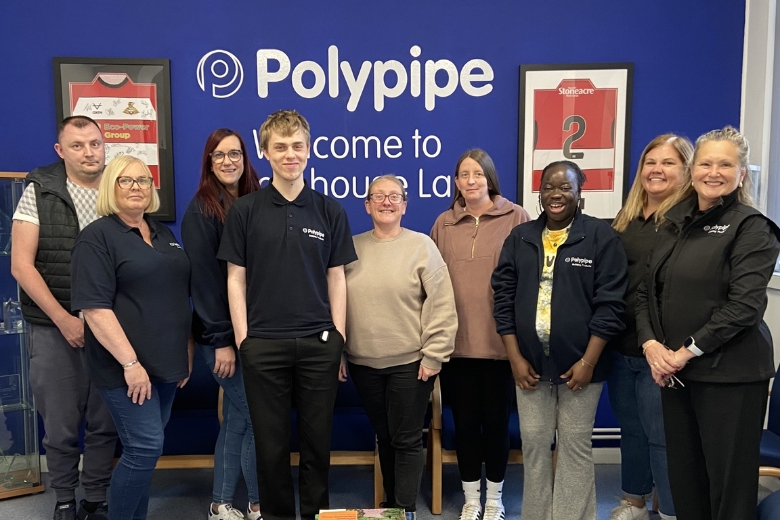
Harrison College is committed to breaking down barriers that prevent young people especially those with additional needs from accessing meaningful education, employment, and independence. Our advocacy and leadership focus on,
- Raising Awareness – Promoting understanding of neurodiversity in education and the workplace, including an annual conference and Gemma Peebles speaking at numerous national events and webinars
- Challenging Stereotypes – Actively working to dismantle misconceptions about what neurodiverse individuals can achieve.
- Influencing Policy and Practice – Engaging with local authorities, employers, and educational bodies such as Chamber of Commerce, SYMCA, LSIP, City of Doncaster Council and Anthropy to shape more inclusive systems.
What Has Been Your Proudest Moment on the Journey to Achieving This Award?
There are 2 different moments for 2 very different reasons.
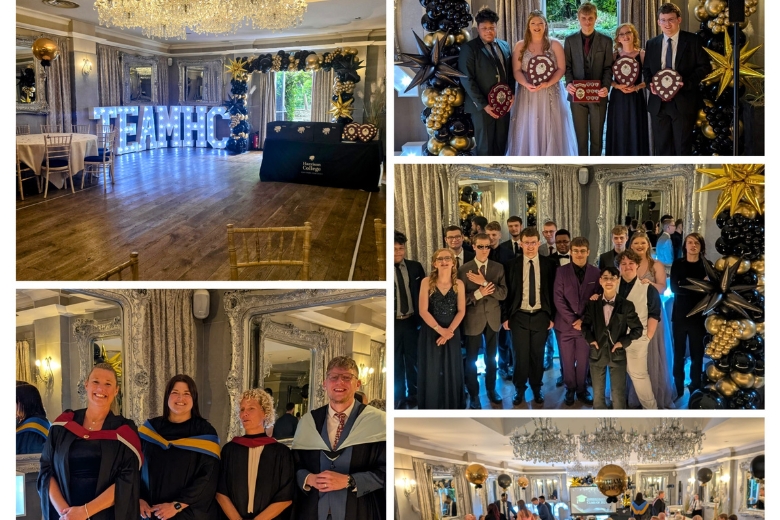
The annual graduation ceremony at Harrison College is more than just an event, it is the proudest moment of each academic year because it represents the culmination of every learner’s hard work, resilience, and personal growth. For many of our students, who face additional challenges due to ASD and SEMH needs, graduation is a powerful symbol of achievement and independence. Each student’s journey is unique, and graduation acknowledges not only academic progress but also the development of life skills, confidence, and employability. For the staff and leadership team, seeing students achieve their goals and move forward with hope and ambition is the ultimate reward. It reflects the college’s mission in action: empowering young people to thrive and succeed.
Attending the King’s Garden Party at Buckingham Palace would likely be my proudest moment as CEO of Harrison College for several reasons. The invitation itself is a prestigious honor, typically extended to individuals who have made significant contributions to society. For me, this symbolised national recognition of her work in post-16 education, particularly supporting learners with ASD and SEMH needs, a cause that often struggles for visibility. Harrison College is a specialist institution with a unique curriculum designed to empower young people with additional needs. Being invited to Buckingham Palace validates the college’s innovative approach and its success in creating opportunities for students who might otherwise be overlooked.
As CEO, I have invested years of effort into building partnerships, advocating for inclusion, and shaping policy. Standing in the gardens of Buckingham Palace represents the culmination of that dedication, a moment where her leadership and vision are acknowledged at the highest level. My attendance sent a powerful message to students and their families: that their educational journey matters and is celebrated at the heart of British society. It elevates the profile of specialist education and inspires confidence in the college’s mission.
How Does This Win Influence Your Future Plans? What Can We Expect Next in 2026?
Harrison College is committed to continuing its growth and innovation in specialist post-16 education. We will further develop our Enterprise Academy, creating more opportunities for learners to gain real-world business experience. This includes increasing partnerships with local employers and introducing new enterprise projects that build confidence, independence, and employability skills.
Harrison College is committed to continuing its growth and innovation in specialist post-16 education
2026 will see Harrison College expand its provision and deepen its network of businesses across the South Yorkshire city region. These partnerships will provide learners with supported internships, work placements, and pathways into meaningful employment. We are excited to host our annual conference featuring an outstanding lineup of speakers and panelists. This event will bring together educators, employers, and thought leaders to share best practices and explore innovative approaches to inclusion and employability. Harrison College is actively exploring joint venture opportunities in the United Arab Emirates and the wider GCC region. Our goal is to share our expertise in specialist education and enterprise-based learning, creating global partnerships that benefit learners and communities.
In Your Opinion, What is One Trend Shaping the Future of Education in the UAE/GCC/Africa?
One key trend shaping the future of education in the UAE and wider GCC is the integration of artificial intelligence (AI) to enable personalised, adaptive learning. The UAE is leading efforts to integrate AI into classrooms, using adaptive learning platforms that tailor lessons to individual students’ strengths, pacing, and learning styles. Starting in the 2025-26 academic year, AI is being introduced as a core subject from kindergarten through Grade 12, marking a nationally coordinated strategy to prepare learners for a future shaped by technological innovation.
This trend combines AI with machine learning and occasional XR tools to create dynamic, interactive, and responsive learning experiences – boosting engagement, improving learning outcomes, and automating administrative tasks.
By offering real-time feedback, identifying learning gaps early, and adjusting content dynamically, AI-powered education shifts away from a one-size-fits-all model. Instead, it fosters an inclusive, accessible learning environment where each student can thrive at their own pace, perfectly aligning with the region’s vision for a future-ready, knowledge-based economy.
What Advice Would You Give to Other Educators, Leaders, or Innovators Looking to Make a Meaningful Difference?
Put learners at the centre, always.
Start with individual strengths, interests, and sensory profiles. Build flexible, personalised pathways that combine accredited qualifications with life skills, wellbeing, and employability.
Co‑design with families and employers.
Create a triangle of support: learner-family-workplace. Involve parents/carers in goal‑setting and partner with local businesses to offer real, supported internships that lead to sustained outcomes, not just short placements.
Make enterprise a habit, not a module.
Embed entrepreneurship throughout the curriculum – micro‑business projects, real customers, and responsibility for budgets and delivery. Enterprise builds confidence, communication, and problem‑solving in authentic contexts.
Design transitions as projects, start early.
Plan pathways into work or further study from day one. Use supported internships, job‑coaching, and employer mentors. Prepare learners (and workplaces) for success with reasonable adjustments and clear communication.
Build a community, not a programme.
Celebrate milestones, especially graduation as public proof of capability. Use conferences, employer networks, and alumni to keep opportunities flowing and to shift perceptions about neurodiversity.
Lead with dignity and high expectations.
Set ambitious goals, speak about strengths, and challenge stereotypes. Inclusion is not a favour; it’s a standard of excellence.
For more information please visit
Further Reading
- Repton Dubai Class of 2026 Celebrates Graduation With More Than 110 Offers From the World’s Top Universities
- UAE Social Media Ban For Children Under 15, A New Era of Digital Safety for Families and Schools Begins