






































Periods of regional uncertainty can bring understandable concern for families. News updates, changes in routines like not being able to go to school or meet friends, and conversations among adults may create an atmosphere where even young children begin to sense that something feels different.
Safety is the primary concern, but families with young children may also worry about emotional security. At times like these, for parents and caregivers the question often becomes, “How can I make my child feel safe?” “How can we help our children feel safe when the world around them feels uncertain?”
While the situation can be stressful even for adults, understanding how to respond calmly and managing the home environment thoughtfully can make a powerful difference. Early childhood experts emphasize that while adults naturally focus on safety and information, young children primarily look for emotional reassurance, routine, and calm from the adults they trust most. At times like these, simple daily gestures at home can play a powerful role in helping children feel secure and supported.
Creating Stability for Children at Home
Information is everywhere, and children are bound to know what is happening. Therefore, the goal should not be to shield them from reality but to create a sense of stability despite the situation.
Young children thrive on predictability and familiar routines. Even when circumstances outside the home feel uncertain, maintaining a gentle structure throughout the day can provide them with a reassuring sense of normalcy.
Supporting Distance Learning at Home
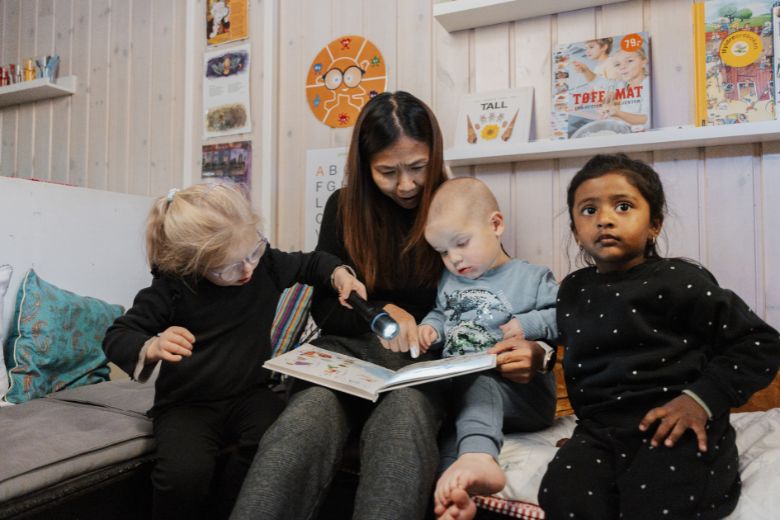
Considering many daycares, nurseries, and schools have decided to shift to remote learning, it is useful to create a realistic routine at home that will help children continue learning. Parents and caregivers do not need to recreate a full school schedule. Instead, focus on simple rhythms that combine learning, play, and rest.
Young children learn best through play, so engaging them in hands-on activities or giving them movement-based tasks will keep them happy and busy. Add some screen time with educational content to complete the day.
Simple tips to support learning at home:
Create short learning blocks, 15 to 20 minutes of focused activity followed by free play is often enough for kindergarteners and preschoolers.
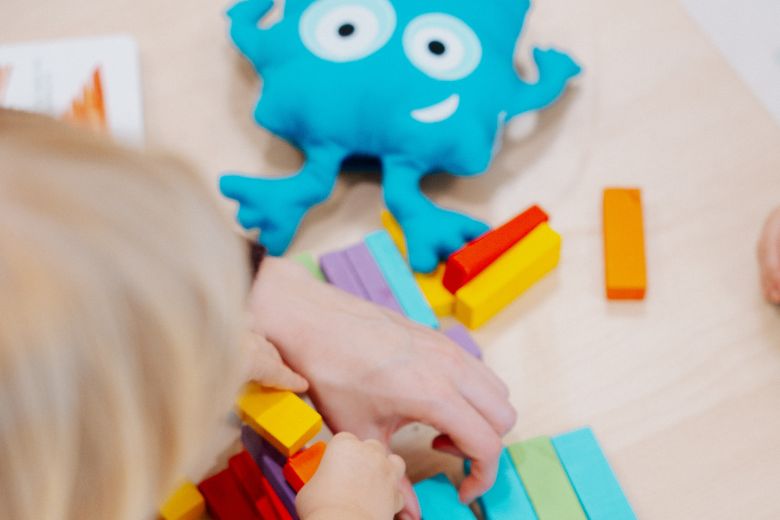
Mix learning with play, storytelling, drawing, and building blocks all support development.
Stay connected with educators, even short check-ins can help parents guide children in the right direction, helping to maintain a sense of familiarity for them.
Above all, emotional security matters more than academic progress during uncertain times.
Creating a Structured Daily Routine
Understandably, regular routines may not be followed, but creating a temporary structure can help children regain balance. A calm and predictable day supports emotional wellbeing.
A simple home routine may include:
Morning:
- Family breakfast together
- Short learning activity or reading time
- Indoor play or movement-based activity
- Creative time such as drawing, painting, or building
Afternoon:
- Lunch and rest
- Educational play or online class
- Free play or family activity
- Educational television programme
- Outdoor play or games where possible
Evening:
- Calm activities such as puzzles or stories
- Family dinner
- Early bedtime routine including shower and story time
Balancing Work from Home and Childcare
Many families are balancing remote work with childcare. While challenging, a few strategies can help create a smoother day.
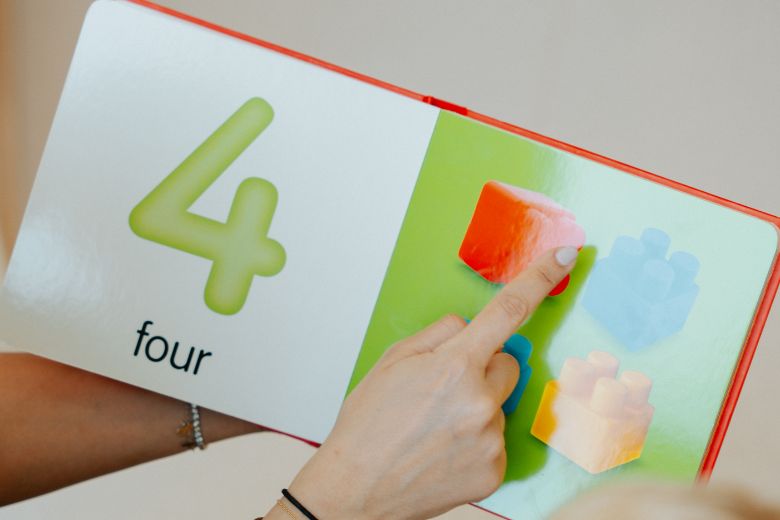
Preparing activity baskets with colouring books, puzzles, building blocks, or sensory toys can keep children engaged independently. Group activities for siblings can also encourage bonding while keeping them occupied. Parents can involve children in simple household tasks such as sorting laundry, watering plants, preparing snacks, or tidying toys. These activities help children feel capable and involved.
Setting a clear focus time where children understand not to interrupt can support productivity. Short periods of independent play combined with quality time together are often more effective than long stretches of distraction.

How to Talk to Children About Difficult Situations
Children are naturally curious and may notice changes in behaviour or conversations. Parents and caregivers should approach this with honesty and reassurance. If a child raises questions, ask what they already know and respond using simple language. Reassure them that people are working to resolve the situation.
Avoid sharing frightening details or discussing worst case scenarios. It is also important not to label any side negatively. Maintain a calm tone and encourage empathy and understanding. Follow all official safety guidance provided by authorities. A child’s age should guide the conversation. Younger children may need comfort and reassurance, while older children may ask more detailed questions. The aim is to inform without overwhelming.
Helping Children Feel Emotionally Secure
The most powerful reassurance for a child is the presence of a calm and supportive adult. Maintaining familiar routines and close family connections creates a sense of safety. Limiting exposure to distressing news is important, as constant updates can increase anxiety. Encourage children to express themselves through drawing, music, or storytelling. Highlighting the positive role of educators, healthcare workers, and community leaders can help children understand resilience and cooperation.
A Message to Families
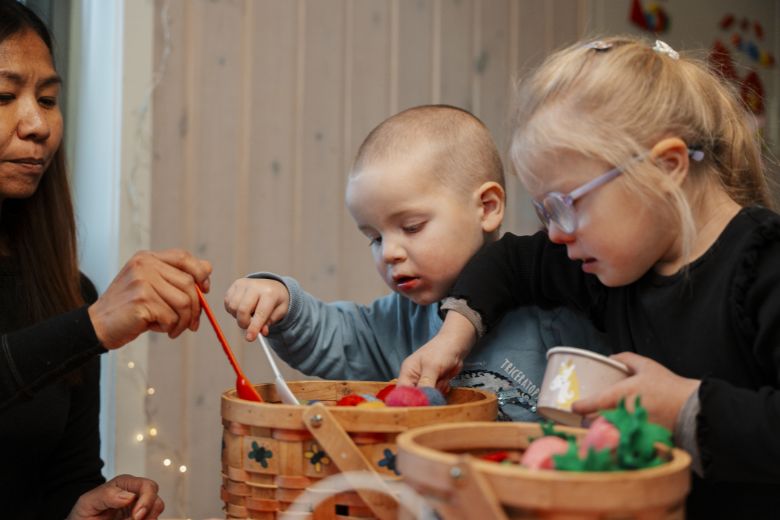
Even during difficult moments, children continue to learn, grow, and find joy in everyday experiences such as a bedtime story or shared laughter. Families across the UAE and the wider region are not alone during this time. Dibber remains committed to supporting children’s wellbeing, emotional security, and development.
To know more about Dibber or schedule a tour, please visit
Further Reading:
- UAE Announces Academic Calendars for Higher Education Institutions until 2029
- UAE Schools to Stay Online From March 23 as Distance Learning Extended Nationwide