






































Dr Jane Halsall Chartered Counselling Psychologist at The Cornerstone Clinic explains the “Week Three Effect” of crisis
In times of uncertainty, anxiety is rarely experienced in isolation. Instead, it becomes something shared, transmitted, and amplified across families, schools, workplaces, and entire communities. This phenomenon, known as collective anxiety, is particularly visible during periods of crisis, conflict, or rapid societal change. But what exactly is happening psychologically when entire groups begin to feel on edge at the same time?
At its core, collective anxiety is rooted in our biology and our need for connection. As human beings, we are wired for social attunement. We constantly scan not only our environment for threat, but also each other. This is part of our survival system. When we observe fear, uncertainty, or distress in others, our nervous system mirrors it. In psychological terms, this is known as emotional contagion, the process by which emotions spread rapidly through groups.

The Role of Modern Media
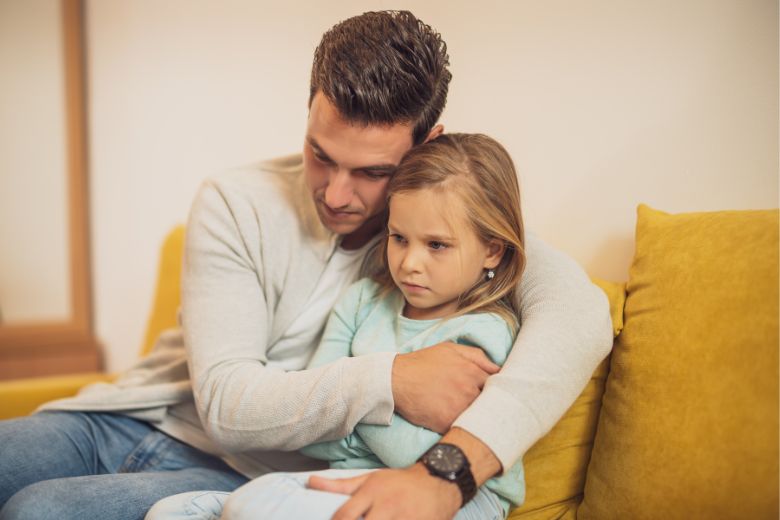
In today’s world, this process is intensified. News cycles are continuous, social media amplifies distressing narratives, and information, accurate or otherwise, travels instantly. What might once have been an individual worry can quickly become a shared emotional climate. In communities such as schools, this can be particularly pronounced. Children are highly sensitive to emotional cues from adults and peers. Even when they do not fully understand events, they absorb the tone of what is happening around them.
When Collective Anxiety Becomes Challenging
Importantly, collective anxiety is not inherently harmful, it is a natural response to perceived threat. In fact, it can promote cohesion, empathy, and collective action. However, when it becomes prolonged or unregulated, it can lead to emotional fatigue, heightened vigilance, sleep disruption, and difficulty concentrating particularly in children and adolescents.
How can Individuals and Communities Respond?
Firstly, awareness is key. Recognising that “this feeling is shared” can help reduce confusion. You are not alone in feeling anxious means experiencing collective anxiety can normalises this experience.
Secondly, we need to focus on emotional regulation at both an individual and community level. This includes simple but powerful strategies: maintaining routines, limiting overexposure to distressing media, and prioritising moments of calm and connection. For children, consistency and predictability are especially protective. Schools and parents play a critical role in creating environments that feel emotionally safe.
Thirdly, communication matters. Open, age-appropriate conversations help prevent children from filling in gaps with their imagination, which is often more frightening than reality. For adults, sharing concerns within supportive networks can reduce the intensity of internalised stress.
Finally, it is important to differentiate between being informed and being overwhelmed. Staying updated is helpful; constant immersion is not. Setting boundaries around news consumption is not avoidance, it is psychological self-protection.
Collective anxiety reminds us of something fundamentally human: we do not experience the world alone. Our emotional lives are interconnected. By understanding this, we can move from simply absorbing anxiety to actively shaping a calmer, more resilient collective environment especially in these uncertain turbulent times.
For more information, please visit