






































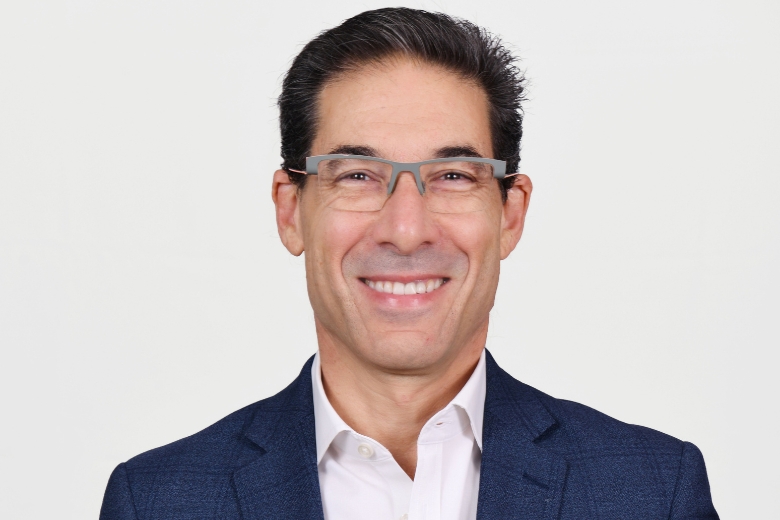
When Joseph Gerassi speaks about education, awards are rarely the focus. Instead, his attention returns to a single guiding question. Are schools truly serving the children in their care, or simply repeating systems built for a world that no longer exists?
That philosophy has shaped the journey of Redhill School in South Africa, where Gerassi serves as Executive Head. In 2025, that journey received global recognition when he was honoured at the GESS Education Awards with the Outstanding Contribution in Education award, celebrating leadership that places curiosity, character and wellbeing alongside academic excellence.
Under his leadership, Redhill has developed an approach that challenges traditional schooling models, focusing not only on results but on shaping confident, adaptable young people prepared for an unpredictable future. In this conversation, Gerassi reflects on the thinking behind the school’s evolution, the challenges of reshaping educational culture, and why innovation must always begin with the needs of the child.
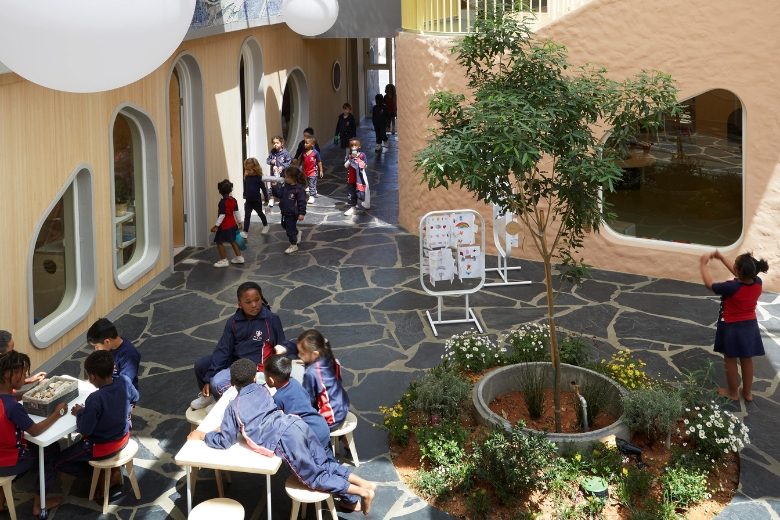
Congratulations Again on Your GESS Award Win. What Does This Recognition Mean to You and Your Organisation?
Thank you. This recognition is deeply humbling. For me, it is never really about awards. It is about children.
Every day I ask myself a very simple question, are we genuinely serving the children in our care, or are we simply repeating what has always been done?
This award feels meaningful because it recognises a journey, not a moment. And importantly, a journey that is still unfolding. We do not believe we ever “arrive” in education. Children change. The world changes. And so we must keep learning, questioning and growing alongside them.
For Redhill, it affirms that an international, future-focused model can grow out of Africa and speak confidently into global conversations about education. That is something we are deeply proud of.
Tell us About Your Winning Initiative. What Inspired its Creation, and What Challenge Were You Aiming to Solve?
The work recognised by this award grew out of a very personal concern.
For many years I watched children move through schooling doing well academically, yet often anxious, disengaged or disconnected from their own learning. I kept asking myself,
Is this really preparing them for life? Is this still meaningful? Is this still relevant?
The challenge we wanted to solve was simple, but profound. Schools were preparing children for a world that no longer exists. A world of routine tasks, predictable careers and linear futures.
We set out to build a school where learning develops the human qualities that will always matter. Curiosity. Creativity. Judgment. Resilience. Empathy. Ethical leadership
Our aim was never just to produce high marks. It was to shape young people who understand themselves, who can think deeply, adapt confidently and lead with character in a complex world.
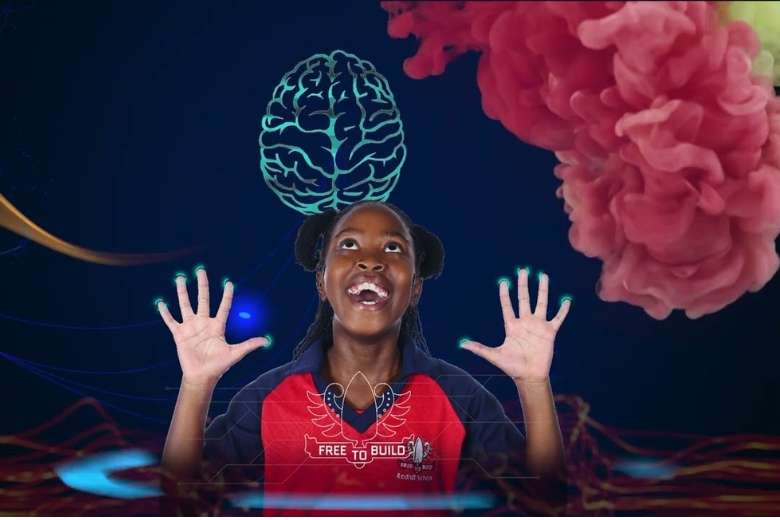
What Makes Your Approach Truly Different or Innovative? Why Do You Believe it Stood Out to the Judges This Year?
What makes our approach different is not a single programme or piece of technology. It is a way of thinking.
We design education around how children actually grow. Cognitively, emotionally and socially. We remove unnecessary pressure early on, protect curiosity, and allow confidence and competence to build gradually over time.
Innovation for us is not about being fashionable. It is about being thoughtful. Every decision begins with one question: What does this child need at this age in order to learn well and flourish?
I believe this stood out because it is coherent. It is not innovation layered on top of old systems. It is a carefully designed journey from early childhood to graduation, grounded in research, values and deep respect for childhood.
We design education around how children actually grow
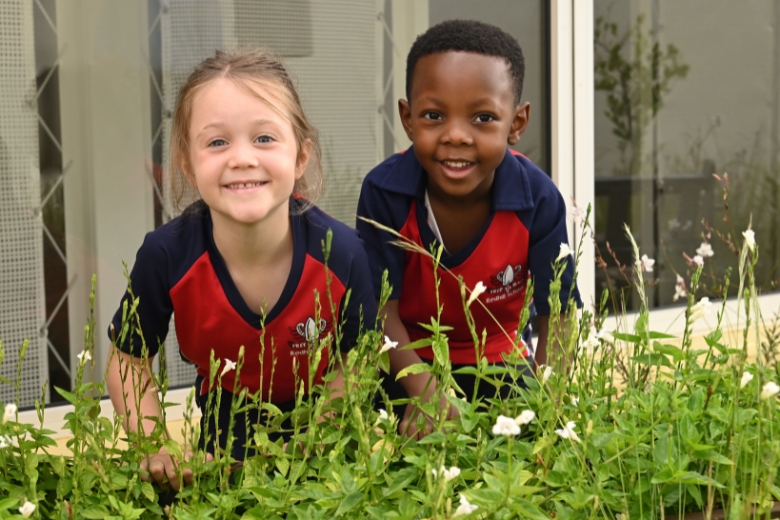
What Impact Has Your Initiative Had so Far on Students, Staff, Families or the Wider Community?
The most meaningful impact is what we see every day.
We see students who are confident, curious and emotionally grounded. Students who are not afraid to ask questions, to make mistakes, or to challenge ideas thoughtfully. Academically, our results are exceptional. But more importantly, our children enjoy learning. They feel safe. They feel known.
For our teachers, there is a strong culture of growth. Professional learning is built into the rhythm of the school. Teachers are encouraged to reflect, experiment and learn alongside their students.
For families, there is growing trust in an approach that values both excellence and wellbeing. And beyond our campus, through initiatives such as the Redefine Education Conference, we are now contributing to professional learning and system-level thinking across Africa and internationally.
Our children enjoy learning. They feel safe. They feel known.
What Has Been Your Proudest Moment on the Journey to Achieving This Award?
My proudest moments are rarely public ones.
They are moments when a child who once doubted themselves begins to believe they can learn. When a teenager finds their voice. When a teacher rediscovers their love for teaching.
Institutionally, I am most proud that we have held two ambitions together. To achieve world-class academic outcomes, and to protect the humanity of childhood. In today’s pressured world, that balance is not easy. But I believe it is essential.
What Were the Biggest Challenges You Faced in Bringing This Idea to Life, and How Did You Overcome Them?
The hardest part was changing mindsets.
Structures can be changed quite quickly. Beliefs take time.
Families understandably worry when schooling looks different from what they experienced. Teachers need time and support to unlearn habits that no longer serve children well.
We overcame this through trust, transparency and evidence. We listened carefully. We explained our thinking. And we allowed results and student wellbeing to speak for themselves. Over time, what once felt risky became a source of confidence and strength.
How Does This Win Influence Your Future Plans? What Can We Expect Next in 2026?
This recognition strengthens our sense of responsibility, but it certainly does not suggest that our work is complete. In education, the moment you believe you have “arrived” is the moment you stop serving children well.
In the years ahead, we will continue to experiment, reflect, adapt and learn. We remain very consciously a school in progress, always asking how we can do better for the next generation.
Personally, I am increasingly committed to sharing this work more widely. Through conferences, collaboration and dialogue. The future of education is a shared responsibility, and we all learn by learning together.
In education, the moment you believe you have “arrived” is the moment you stop serving children well.
In Your Opinion, What is One Trend Shaping the Future of Education in Africa and the Middle East?
The most important shift is from knowledge transmission to human development.
Across Africa and the Middle East, there is growing recognition that the future belongs to adaptable thinkers, ethical leaders and collaborative problem-solvers. Not simply to those who perform well in examinations.
Regions such as the GCC are uniquely positioned to lead this transformation. With vision, investment and global connectivity, there is an extraordinary opportunity to shape education models that are both innovative and deeply humane.
What Advice Would You Give to Other Educators and Leaders Looking to Make a Meaningful Difference?
Never stop asking “why”.
Why are we doing this? Is it still relevant? Is it still meaningful? Does it truly serve children?
Begin with the child, not the system. Invest deeply in teachers. Protect curiosity. Remove unnecessary fear. Build cultures where learning is joyful, challenging and safe.
And remain a student yourself. The most important quality in educational leadership today is humility. None of us has the final answers. The future will keep surprising us. Our task is simply to stay curious, reflective and brave enough to keep evolving for the sake of the children we serve.
The most important quality in educational leadership today is humility
How Does This Recognition Reflect Your School’s Values or Educational Philosophy?
It reflects our belief that education is fundamentally about human flourishing.
At Redhill, we value integrity, empathy, courage, curiosity and ethical leadership. We believe children thrive when they are known, respected, challenged and supported.
Our philosophy is simple. When learning is meaningful and well designed, excellence follows naturally
This award affirms that such an approach matters far beyond our own campus.
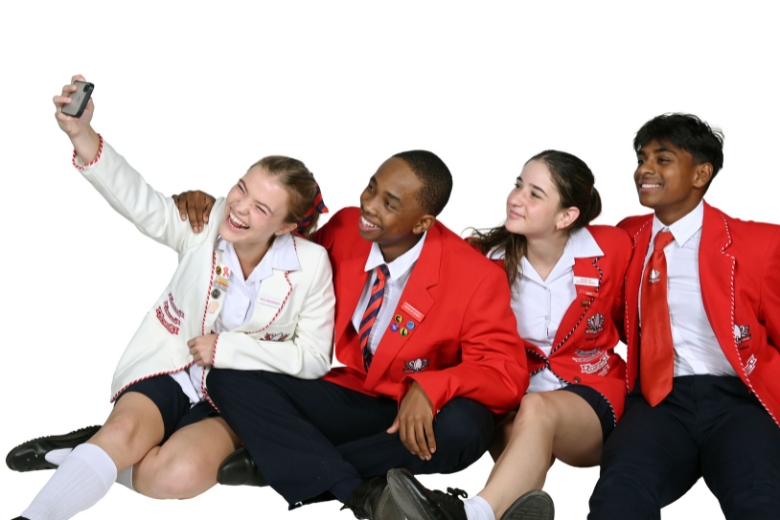
What Role Did Collaboration Across Your School Community Play in Achieving This Win?
This achievement belongs entirely to our community.
Leadership without teachers achieves nothing. Innovation without families achieves little. Transformation without students is impossible.
Our staff, students and parents have built this culture together over many years. The trust, dialogue and shared purpose across our community are the true foundations of everything we have achieved.
How Do You Ensure Innovation is Embedded into Everyday Teaching and Learning?
We embed it structurally and culturally.
Professional learning is part of the timetable. Teachers collaborate constantly. Reflection is normal. Research informs practice.
But most importantly, innovation is always tested against one question: does this deepen learning, strengthen wellbeing and honour the child? If it does, we sustain it. If it does not, we adapt.
Anything Else You Would Like to Highlight or Thank Your Team and Community for?
I would like to thank our teachers, who quietly shape lives every day with extraordinary dedication. I would like to thank our families for trusting a model that places children first. And I would like to acknowledge the remarkable innovation emerging across Africa.
There is extraordinary work happening on this continent. I am proud that Redhill can contribute to positioning Africa as a thoughtful, confident and respected voice in global education.
For more details please visit
Further Reading
- GEMS Education and Oracle Bring AI Skills and Industry Certifications to UAE Students
- UAE Students Showcase Innovation in Yas in Schools Finals