






































A four-year-old cannot explain what it feels like when their thoughts run too fast, when the noise is too loud, or when a feeling arrives before they have any language for it. What they can do, and do constantly, is absorb. Every interaction, every environment, every emotional tone in the room around them leaves an impression on their brain; a brain, which in the first five years of a human’s life is more neurologically active than it will ever be again.
This is the context in which mindfulness in early childhood has moved from a niche concept to an educational priority, especially in the early years of an individual. Not as a wellness trend imported from adult practice, but as a developmentally grounded approach to helping children build one of the most important capacities of their lives: the ability to pause, notice, and respond rather than simply react.
What Mindfulness Means for Young Children
Mindfulness is, at its simplest, the practice of being fully present. For adults, it often requires deliberate effort. We must resist the pull of distraction, the habit of multitasking, the background hum of anxiety about what comes next. Therefore, it is best to start young and maximize the experience of every moment.
When introduced gently and consistently, it can help children develop self-regulation, focus, empathy, and emotional resilience. Mindfulness practices help them pause, notice what they are feeling, and respond more calmly.
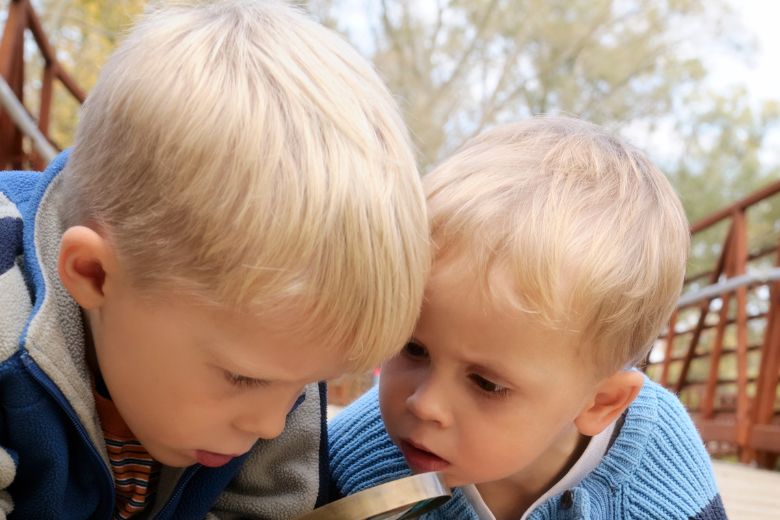
Mindfulness in early childhood is not meditation. It does not require silence, stillness, or extended concentration. It is woven into ordinary moments; the careful observation of a beetle moving through the grass, the pleasure of feeling sand between fingers, the act of stopping to really listen to what is happening in the room. It is, as researchers describe it, “awareness training,” and the earlier it begins, the more naturally it becomes part of how a child meets the world.
Studies also suggest that mindfulness can support attention, reduce stress, and strengthen social-emotional development. When young ones learn to slow down and pay attention to their bodies and feelings, they become better equipped to handle challenges such as waiting their turn, sharing, or coping with disappointment.
Importantly, it nurtures a sense of inner calm and self-awareness. These qualities are particularly valuable in early learning environments where toddlers and preschoolers are constantly exploring, interacting, and absorbing new experiences.
Simple Mindfulness Activities for Young Children
• The Five Senses Activity: Have children pause and notice one thing they can see, hear, touch, smell, and taste. This practice grounds them in the present moment and heightens their awareness of the world around them.
• Mindful Listening: A bell is rung, or a single sustained sound is made, and children are invited to listen until the sound completely disappears. This exercise develops concentration, encourages stillness, and introduces children to the experience of sustained, purposeful attention in a way that feels like a gentle game.
• Nature-based Activities: Going outdoors and observing the movement of leaves, the sound of birds, or the feeling of grass under their feet can naturally cultivate calm attention. Young children are naturally curious, and mindful observation turns everyday moments into meaningful experiences.
Breathing Techniques to Help Children Self-Regulate
Breathing exercises are simple and accessible. Deep, slow breathing helps calm the nervous system and can quickly shift a child from a state of agitation to one of relaxation.
• “Balloon breathing” is a popular technique that they will enjoy. Children place their hands on their stomachs and imagine inflating a balloon as they inhale slowly through their nose. As they exhale, the balloon gently deflates. This visualization helps them understand how breathing works and makes the activity fun and engaging.
• Another technique is “flower and candle breathing.” All one needs to do is pretend to smell a flower (a deep inhale) and then gently blow out a candle (a slow exhale). This exercise encourages controlled breathing while sparking imagination.
• “Star breathing” is another wonderful method where children trace the outline of a star with their finger. They breathe in as they trace one side and breathe out as they move down the next. The physical movement helps maintain focus while helping with rhythmic breathing.
Once they are familiar with these techniques, they will learn to use them independently to manage moments of transition or emotional difficulty. Eventually, they will understand that breathing is a useful tool to calm themselves.
Yoga and Movement for Mindfulness
For young children, stillness is rarely the right starting point. In fact, movement-based practices are often more effective for young learners. Yoga offers an excellent way to combine physical activity with awareness and relaxation.
Simple poses inspired by animals such as cat and cow or the tree pose encourage learners to connect their movements with their breath. These poses help improve balance, coordination, and body awareness while promoting a sense of calm. Short yoga sessions can also become part of daily routines at home or in nurseries. The emphasis should always remain on enjoyment rather than perfection.
How Adults Can Encourage Mindfulness
Adults play a crucial role in helping young ones develop any habit. Young children learn best through observation and imitation, which means the behavior and attitudes of caregivers and educators have a powerful influence.
One of the most effective ways adults can support is by modelling calm and attentive behavior. When adults speak slowly, listen carefully, and respond thoughtfully, children learn that these behaviors are valuable. Creating consistent daily routines also supports mindfulness, helping them feel secure and more aware of their experiences.
This means that supporting mindfulness in young children is, in part, a professional and personal practice for educators and parents alike. It is one of the reasons Dibber International Nurseries (a global leader in early childhood education, with 600+ nurseries and schools across 9 countries) invests as much in the wellbeing and development of its educators, as it does in the design of its learning environments, because the two are inseparable.
Creating Calm and Focused Learning Environments
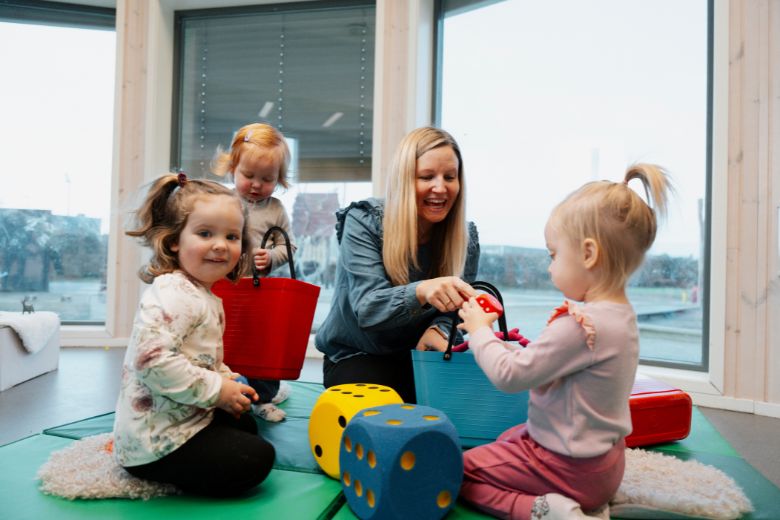
The physical environment plays a significant role in supporting mindfulness. Calm, thoughtfully designed spaces help children feel safe, relaxed, and ready to learn. Classrooms that include natural light and organised materials tend to promote a sense of balance and focus. Quiet corners or cosy spaces where they can retreat with a book or soft cushion provide opportunities for self-regulation when they need a break. Nature also plays a powerful role. Access to outdoor environments allows children to explore their surroundings with curiosity and attention.
At Dibber International Nurseries, mindfulness is not a scheduled activity in the nurseries. It is a thread running throughout the entire day. From how the Engaged Educators speak and move, to the calm design of the indoor-outdoor spaces, every element of the Dibber environment is intentionally crafted to gently encourage children to feel settled, present, and genuinely be themselves.
Reducing unnecessary noise and clutter can also make a significant difference. When children are not overwhelmed by excessive stimulation, they can focus more easily on their activities and interactions.
To know more about Dibber or schedule a tour, please visit
Further Reading:
- At Dibber, Family-School Partnerships in Early Learning Strengthen Child Development
- Dibber Festival Day: A Celebration of Learning, Laughter, & Togetherness