






































Across the UAE, inclusive education has become a clear priority for many international schools. While policies and frameworks provide direction, effective inclusive practice is often recognised through the quieter details of daily school life.
Inclusion Quality Mark (IQM) works alongside schools across the region, supporting leaders as they strengthen inclusive environments where Students of Determination and all learners can participate with confidence.
Inclusive practice rarely depends on a single initiative. More often, it’s visible through small but consistent signals that show inclusion is part of the school’s culture.
These everyday clues reveal schools where inclusive practice is embedded and sustainable.
Inclusive Environments and Classrooms
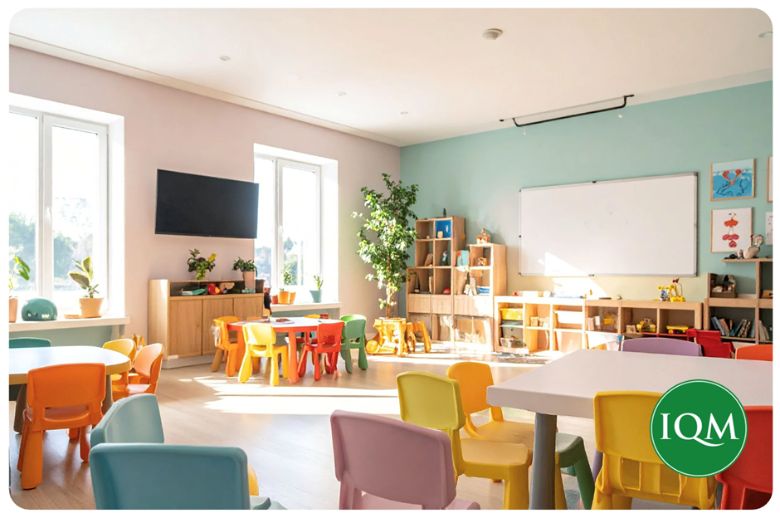
Inclusive schools create environments where students feel comfortable participating alongside one another.
Classrooms are organised with clarity and purpose, and expectations are consistent between teachers, helping students move through the school day with confidence.
Support is integrated into normal classroom routines.
Students of Determination learn as members of the class community, with teaching approaches that allow a wide range of learners to access the same experiences.
Inclusive Practice Clue:
Visitors notice that classrooms feel calm, purposeful and welcoming, with students able to engage in learning in ways that suit them without drawing attention to differences.
Small Adjustments That Shape Learning
In inclusive schools, teaching is responsive rather than fixed.
Teachers routinely shape explanations, tasks and learning approaches so that students can access learning in ways that make sense to them.
These adjustments are rarely dramatic. They appear in the pacing of a lesson, the structure of an activity, the additional resources available or the way a teacher checks understanding.
Over time, these small decisions create learning experiences that work for a wide range of students without separating individuals from their peers.
Inclusive Practice Clue:
Teaching reflects an awareness that students learn in different ways, with lessons designed so that a range of learners can participate with confidence.
Teacher Decision-Making and Professional Confidence
Inclusive practice depends on confident professional judgement.
In inclusive schools, teachers draw on their knowledge of students to make thoughtful decisions about how learning can be accessed.
This confidence develops when teachers have access to guidance, professional dialogue and shared expectations.
Inclusive teaching becomes part of everyday professional practice rather than something separate or specialist. Teachers understand their students well and can explain the thinking behind their decisions.
Inclusive Practice Clue:
Teachers speak confidently about how they support individual learners and how those decisions connect to wider school practice.

Inclusive Language and Shared Understanding
Language reflects the culture of a school.
Inclusive schools develop a shared understanding of how students are supported and how learning is discussed.
Staff use language that reflects high expectations for all students while recognising individual strengths and needs. Conversations about learning focus on progress and development, and approaches to regulation and support are understood consistently across the school.
This shared understanding helps students experience inclusion as a normal part of school life.
Inclusive Practice Clue:
Staff describe students and learning in ways that reflect shared expectations, consistent approaches, and a belief that every student can make progress.

Student and Family Experience
Students experience inclusion through relationships and daily interactions.
Feeling recognised and supported helps students develop confidence and independence over time. Inclusive schools create environments where students understand that support is part of learning and available to everyone when needed.
Families recognise inclusive practice through communication and consistency. They understand how the school supports their child and feel confident speaking with staff.
Clear communication and coordinated support help families feel that the school understands their child as an individual.
Inclusive Practice Clue:
Families speak about the school as a place where their child is understood and supported as part of the wider school community.
What is the IQM International Inclusive School Award?
The IQM International Inclusive School Award recognises schools that demonstrate strong inclusive practice across the whole school. The award follows the IQM Evaluative Framework, which supports schools in reviewing their current provision and identifying priorities for development.
Through this structured process, schools evaluate inclusive practice across leadership, teaching and student support. The framework helps schools strengthen inclusive culture in a sustainable way while ensuring Students of Determination and all learners are supported effectively.
IQM welcomes schools across the Middle East to join the international IQM family of schools in 2026.
Further Reading:
- Inside the IQM Approach to School Improvement and Inclusive Excellence
- Why Inclusive Schools Attract and Keep Great Teachers in the UAE