





































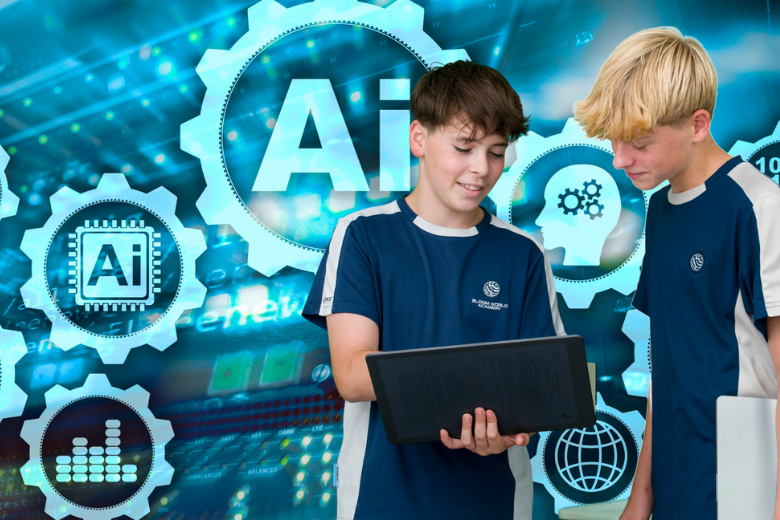
Children today are growing up in an environment vastly different from the one we knew. Technology is ever-present, and while this opens incredible doors for creativity, connection and learning, it also presents risks. Information overload, digital fatigue, algorithmic echo chambers, and even unfiltered exposure to harmful content can all affect a child’s sense of identity, self-worth and belonging.
A child who feels digitally overwhelmed may struggle to focus, form healthy relationships, or feel confident in their own identity.
Why AI Changes Everything
Artificial Intelligence intensifies this landscape. From facial recognition to predictive analytics, AI is integrated into everything from entertainment algorithms to hiring processes. Without the tools to understand how these systems work — and perhaps more importantly, how they can misfire — our children are at risk of being rendered as passive consumers in a system they do not control.
As such, digital wellbeing is not separate from broader wellbeing — the two are ever more interconnected.
That’s why at Bloom World Academy (BWA), digital literacy includes education around screen time management, online behaviour, and the psychological impacts of social media and AI-driven platforms. We safeguard students by equipping them to take an active and informed role in the digital world, while facilitating their ability to not only succeed, but to lead as changemakers and pioneers in their fields.
The First Accredited AI Curriculum of Its Kind
In August 2024, BWA became the first school in the UAE to make AI a compulsory, accredited subject for students aged 14 and above. Our Grade 10 students will complete the second year of the course in AY ’25-’26, after which they will hold an official qualification in Artificial Intelligence. Crucially, they will also graduate with a clear understanding of what ethical, human-centred AI looks like.
Our AI curriculum is built on two pillars: ethical understanding and technical proficiency. This isn’t just a course where students learn to code or create algorithms.
Students learn how to use AI tools alongside learning to think critically about their implications.
They debate.
They challenge.
They ask the uncomfortable questions.
Teaching AI Ethics Through Real-World Lessons
Through interactive lessons, mock trials, and real-world case studies, students explore AI’s applications in sectors like healthcare, policing, fraud detection and e-commerce — not just to marvel at the innovation, but to weigh its human cost.
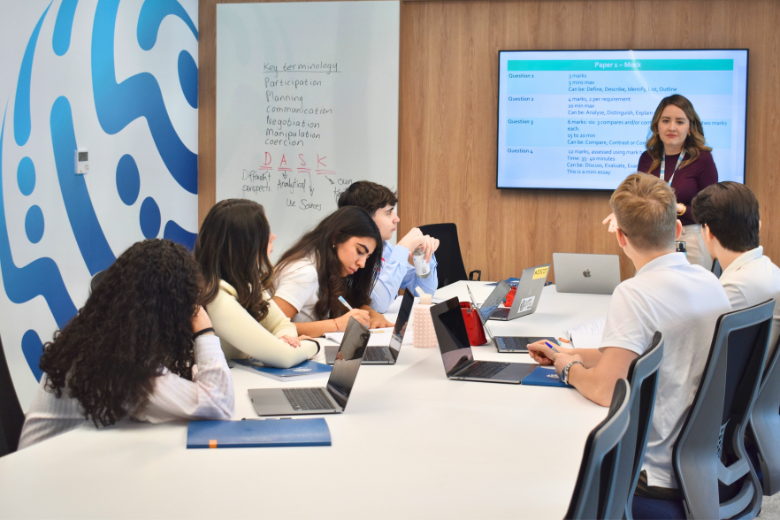
Take, for example, a recent Ethics on Trial lesson. Students were tasked with acting out a fictional court case involving a home care robot, where the AI’s failure resulted in a fatal oversight. In another, they investigated the ethical decision-making of an autonomous vehicle during a fatal accident. In both scenarios, students stepped into the roles of lawyers, jurors and expert witnesses — sharpening their analytical thinking, emotional intelligence, and sense of justice.
Starting Young: AI from KG2 and Up
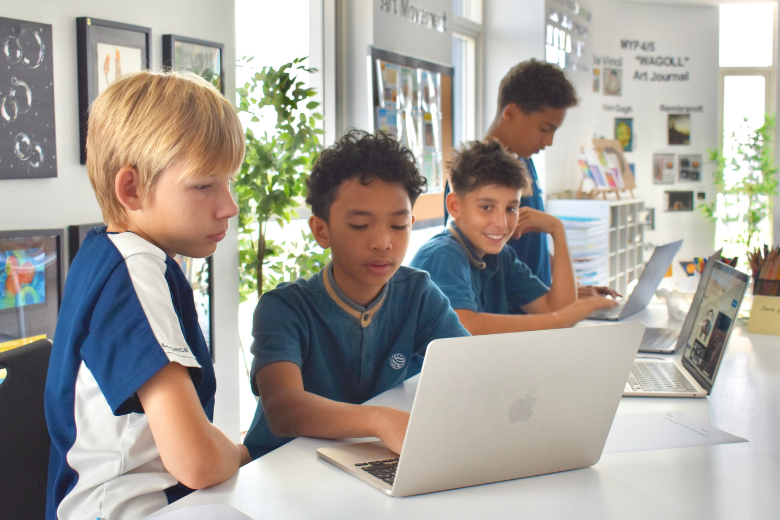
The ethical questions raised by AI aren’t just for teenagers. Next academic year, BWA is introducing a formal AI education to students from as young as KG2, using a vertically aligned, spiral curriculum that evolves as they progress through the school. This goes hand-in-hand with our policy of providing every student with an iPad or MacBook depending on their age group, ensuring equitable access to technology.
Our goal is not just to produce competent users of technology, but responsible and thoughtful digital citizens — students who understand the power and responsibility that comes with advanced tools. From a young age, children grasp not only how technology works, but how to use it mindfully. Students learn to:
- Spot algorithmic bias
- Decode recommendation engines
- Question the credibility of digital content
- Create mindfully and ethically
We empower them to be creators and not just consumers — to write their own digital futures.
Wellbeing in the Digital Age
Our commitment to AI ethics is ultimately a commitment to our students’ wellbeing. We are not simply preparing them for careers in software development or data science. We are preparing them to shape a future in which technology serves humanity, not the other way around.
At Bloom World Academy, we dare to do things differently — and in this rapidly evolving digital world, we must. If we are to support the wellbeing of our children, we must not shield them from the digital age but teach them how to live well within it — with confidence, critical thinking, compassion and care. That’s the future our students deserve.
For more information about the Bloom World Academy AI curriculum, click below:
Further Reading:
- Bloom World Academy Hosts UAE’s First School-Based Exhibition of Original Banksy Street Artworks
- Bloom World Academy Kicks Off Dubai AI Week with Debate Win and Citywide AI Challenges
- Bloom World Academy Leads the Way in AI Ethics with Interactive Lessons and Real-World Insights
- Bloom World Academy Officially Inaugurates Nexus Centre, Transforming IBDP and IBCP Education