































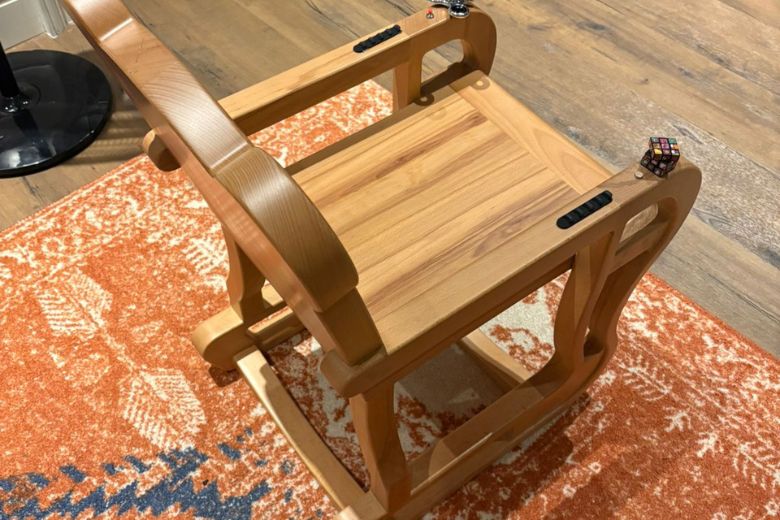
Designed by students for students, the sustainable seating solution supports improved focus, comfort and inclusion. A team of 17-year-old UAE students, Yuvaan Sawlani, Ayaan Mohammed, Moulik Savla and Atharva Mehra, have unveiled their innovative seating solution, CareChair, designed to transform classroom experiences for neurodiverse students.
Empathy-Driven Design for Inclusive Learning
The idea was inspired by the students’ shared observations of classmates with ADHD and other sensory challenges who often struggle to stay focused and engaged in a traditional classroom setting.
According to a 2023 study published by the Eastern Mediterranean Health Journal, about four percent of school-aged children in the UAE are diagnosed with ADHD. By combining empathy-led design with functionality, the students created a chair that addresses these challenges, helping reduce restlessness and encouraging inclusivity and confidence in learners.
A Sustainable and Sensory Seating Solution
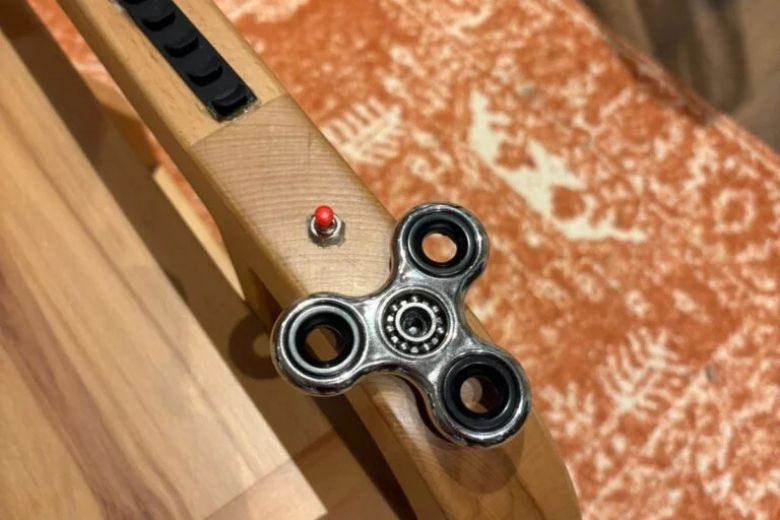
The CareChair features an extended seat base that supports flexible seating positions, built-in fidget tools to reduce stress, and interchangeable sensory accessories that can be customised to suit individual needs.
All sensory elements are made from recycled materials, such as fidget spinners and Rubik’s cubes, reinforcing the team’s commitment to sustainability. Designed in the shape of a friendly bear, CareChair offers a comforting presence and includes tactile features such as grippy rubber pads and calming textures to help students remain engaged during lessons.
Yuvaan Sawlani said:
“Our mission is to make classrooms more inclusive by removing barriers to engagement for neurodiverse children. The CareChair empowers students to regulate their energy and emotions with minimal disruption in class. It creates a space where they can feel calm, safe and confident to learn.”
Positive Impact and School Integration
Initial testing with students has shown encouraging results. One user noted that the spacious design offered more comfort and freedom of movement, while discreet fidget features helped maintain focus without distraction. Teachers reported calmer classrooms and improved participation.
The students plan to integrate CareChair as part of a phased rollout across Arcadia schools in the UAE, including Arcadia British School in Jumeirah Village Triangle and Arcadia Global School in Al Furjan. The chairs will first be placed in counsellor offices and select classrooms before expanding to other schools. Their long-term vision is to make CareChair a benchmark for inclusive learning environments.
Innovation Through Collaboration and Testing
The design process required balancing functionality with comfort through multiple prototypes and testing sessions.
Ayaan Mohammed said:
“We wanted to ensure the chair was not bulky or intimidating but adaptable to the user’s needs. Through trial and error, we refined the design to strike the right balance.”
Looking ahead, the team aims to collaborate with occupational therapists and learning specialists for further refinement, ensuring the chair supports a wide range of sensory needs. They also hope to attract partnerships, sponsorships and manufacturing support to make CareChair widely accessible.
Designing with Empathy and Purpose
For the team, the most fulfilling moment has been witnessing the real-world impact of their design.
Moulik Savla said:
“Seeing students interact with the CareChair and hearing how it improved their focus and confidence showed us that this is more than a school project. It is a product that can change lives. This journey has taught us that true innovation in education begins with empathy. Even small changes in classroom design can transform how students with special needs learn and thrive.”