




































The Ministry of Education has issued new school uniform and appearance guidelines for 2025, introducing a stricter code that bans makeup and nail polish, sets clear rules for hairstyles and attire, and reinforces the values of discipline and equality in schools.
Backed by dermatologists and mental health experts, the reforms aim to protect teenagers’ skin health, reduce social pressures linked to appearance, and promote a culture of confidence and respect. This article explores the updated rules in detail, the expert opinions behind them, and how parents can support their children in adapting to the changes.
Ministry of Education Sets Stricter Standards
The UAE Ministry of Education (MoE) has introduced new uniform and appearance guidelines for students, with a strong emphasis on national values, discipline, and student wellbeing.
The updated code requires pupils to wear approved school uniforms that are neat, tidy, and clean, while maintaining a natural appearance. Continuous monitoring across campuses will ensure compliance with these standards.

According to the modified manual, students must:
- Wear flat black shoes or black sneakers with white socks (sneakers are allowed only on sports days or during extracurricular activities).
- Adhere to natural hair colours and locally acceptable hairstyles.
- Female students in the third cycle must wear a black shayla with their uniforms.
- Wear sports uniforms during designated classes.
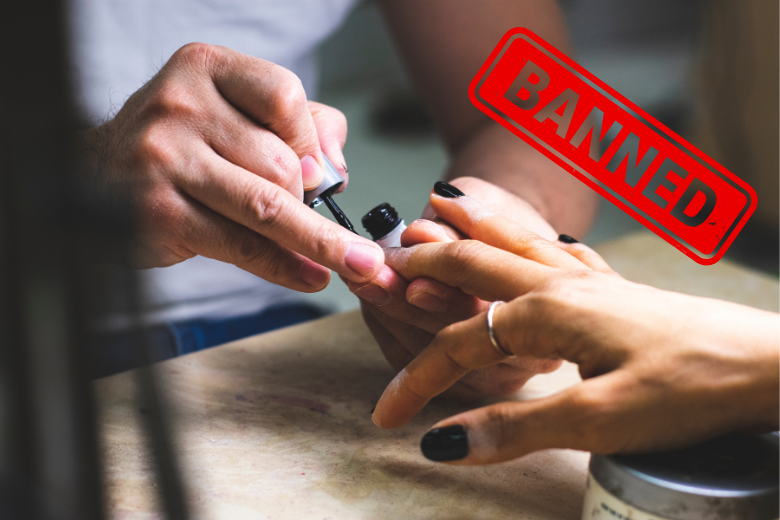
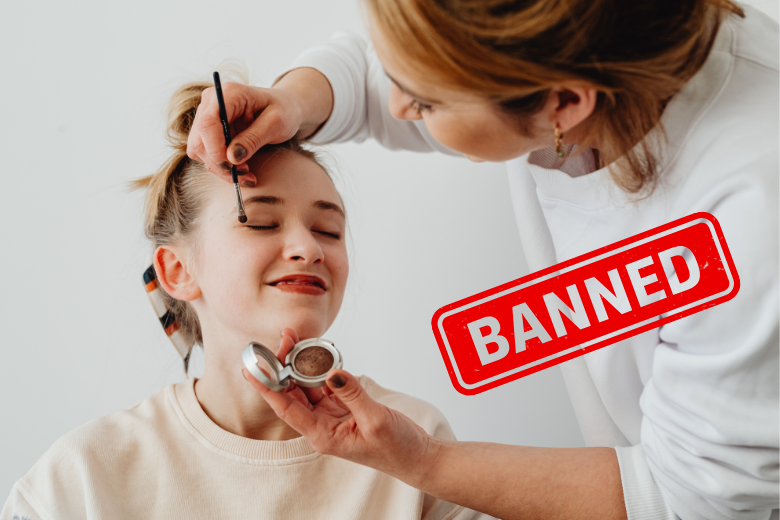
- Avoid nail polish and makeup at all times.
- Ban on Makeup and Nail Polish
Ban on Makeup and Nail Polish
The ban on makeup and nail polish forms a central part of the new school rules. Authorities note that many students were increasingly arriving at school with both light and heavy makeup, ranging from lip balm and blush to full foundation and contouring.
Dermatologists and psychiatrists consulted on the new rules say the policy reflects much more than uniform discipline — it addresses teenage skin health, self-confidence, and the growing pressures of social media and peer influence.
Dermatologists Highlight Skin Concerns
Dr Shahrzad Mojtabavi Naeini, Dermatologist at International Modern Hospital in Dubai, explained to Khaleej Times that adolescence is a sensitive stage for skin.
“From a dermatology perspective, daily makeup use is best delayed until around 15–16 years of age. At this stage, the skin is stronger and less reactive,
She further said:
“Occasional use for events is fine at a younger age, but regular application too early may irritate delicate skin.”
Similarly, Dr Asmaa Al Khatib, Dermatologist at Quttainah Specialised Hospital, told Khaleej Times:
“Hormonal changes during puberty increase sebum production, so any pore blockage from cosmetics often leads to acne faster.”
She warned that heavy makeup during adolescence can cause acne flare-ups, skin irritation, and even premature ageing if not removed properly.
Emotional and Social Pressures
The no-makeup rule also aims to reduce social pressures linked to appearance.
Dr Sudhanthira Devi Ramdoss, Psychiatrist at Aster Hospital in Qusais, said to Khaleej Times:
“Some see makeup as a way to feel more feminine or attractive, while others use it to express their creativity and identity. Social media, peer groups, and even family influence play a major role. The early use of makeup can sometimes signal underlying emotional or social pressures.”
She added:
“Low self-esteem or pressure to meet societal beauty standards may push girls to rely too heavily on cosmetics at a young age.”
Mental health experts underline that schools should focus on education and wellbeing, not beauty competition. As Dr Ramdoss stated:
“Teenage years are the period when a healthy skin and self-image should be cultivated simultaneously. No makeup environment in Emirates schools is conducive to students concentrating on academics and not getting involved in rivalry of looks.”

Balancing School Rules with Home Flexibility
Experts recommend that parents support the policy by offering age-appropriate flexibility at home. Occasional use of light products such as tinted moisturisers with SPF, mineral powders, or dermatologist-tested lip balms is considered safe for special occasions.
Dermatologists also advise parents to:
- Choose non-comedogenic, fragrance-free, and hypoallergenic products.
- Avoid cheap or unregulated brands.
- Ensure teenagers remove all makeup at night with a gentle cleanser.
- Teach that cosmetics are optional tools of self-expression, not measures of self-worth.
Protecting Health and Promoting Values
The MoE confirmed that the updated uniform rules will be continuously supervised to ensure compliance. Schools are tasked with reminding students of the regulations and strictly enforcing the no-makeup policy.
Officials say the measures are designed to:
- Protect student skin health.
- Reduce bullying and peer pressure linked to appearance.
- Promote self-esteem and natural confidence.
- Reinforce national values embedded in education.
Further Reading:
- UAE School Attendance Rules 2025: What Parents Must Know
- UAE Schools Announce Four-Week Winter Holiday for 2025/26
- UAE Schools Announce New Rules for 2025
- From AI to Smartphone Bans – What’s New in UAE Schools 2025–2026