






































Schools across the UAE are increasingly putting student well-being at the centre of the school day, introducing later start times and eco-friendly programmes to help children become calmer, more focused, and ready to learn.
Educators highlight that a small change in the morning routine can have a big impact on both students’ mental health and their overall engagement in learning. The shift reflects growing recognition that well-being holds equal importance to academic achievement. By adjusting start times, schools are giving students the opportunity to ease into the day at a pace that suits them. Some students use the extra time to take part in on-campus activities, while others benefit from additional rest or a relaxed breakfast with family members. Teachers are also experiencing positive effects. Many use the additional morning time to prepare lessons, exercise or spend time with their families, supporting a more balanced work-life routine.
Sustainability Programmes Supporting Emotional and Academic Growth
Alongside schedule changes, UAE schools are integrating sustainability and environmental education into their well-being strategies. Hands-on initiatives including eco-programmes and wildlife recording projects are encouraging students to take responsibility for both their emotional health and environmental awareness. These programmes aim to create a holistic learning environment that links personal well-being with global responsibility, helping students develop resilience and purpose.
What is #MEtime?
“At Nord Anglia International School Abu Dhabi, we recognised that early mornings can be tough on families,” said Liam Cullinan, Principal.
“As a parent myself, I know how challenging early mornings can be. Getting children up, ready, and out the door very early doesn’t always bring out the best version of them, and that matters. The idea behind #MEtime came from listening carefully to families and recognising that well-being, sleep, and emotional readiness are just as important as academic learning.”
The principal explained that some students choose to participate in activities on campus, while others benefit from extra rest at home.
“What we consistently see is that students arrive more focused, more positive, and more open to learning, which sets a very different tone for the rest of the day.”
Cullinan also noted that the programme allows students to make choices that suit their individual needs.
“Whether they’re being active, developing a skill, connecting with friends over breakfast, or simply easing into the day, those choices help students feel a sense of ownership over their routine. Additionally, offering staff a weekly later start has had a very real impact. Teachers use that time in different ways; some spend it with their families, some exercise, some prepare for the week ahead, and others simply rest.”
A Family-first Approach to School Mornings

At Bloom World Academy, later start times form part of a wider family-focused approach aimed at reducing morning stress for both students and staff. John Bell, Principal, Bloom World Academy said,
“We asked this simple question, ‘Why is everyone rushing in the morning?’ This school was built on the idea of being a ‘family first’ school. We wanted families to have time together in the morning to eat, talk and arrive at school without stress. That calmer start means students come in more settled, focused and ready to learn. The same applies to our teachers and staff. Very early starts often affect their family life and well-being. When teachers are more balanced, teaching is better, and students benefit from that.”
“There are practical reasons too. A later start eases traffic and makes journeys calmer. A less rushed commute matters because it shapes how people arrive at school. Most importantly, it reflects how young people live today, especially teenagers. Many have long days that include school followed by sports, clubs and creative activities. Giving them more time in the morning helps with energy, concentration and mental well-being. In many parts of the world, a 9am start is common, and we’re pleased to bring that model into the Dubai schooling context. Families have strongly supported it, and many say it is one of the main reasons they chose our school. It has created a calmer, healthier start to the day for everyone,” she added.
Environmental Awareness to Enhance Student Well-being
Meanwhile, environmental awareness continues to play an important role in supporting student well-being across UAE schools. At Repton Abu Dhabi, climate change education is combined with practical sustainability actions. Stephen Davis, Interim Principal said,
“Supporting student well-being is central to how global issues such as climate change are explored. We explicitly teach students how to manage uncertainty and emotional responses. Our Eco Schools programme and Green Flag journey provide hands-on opportunities for students to reduce waste, conserve energy and promote sustainable practices, reinforcing resilience, purpose and responsibility.”
School leaders emphasise that such initiatives ensure students are prepared both emotionally and academically to engage with climate-related challenges.
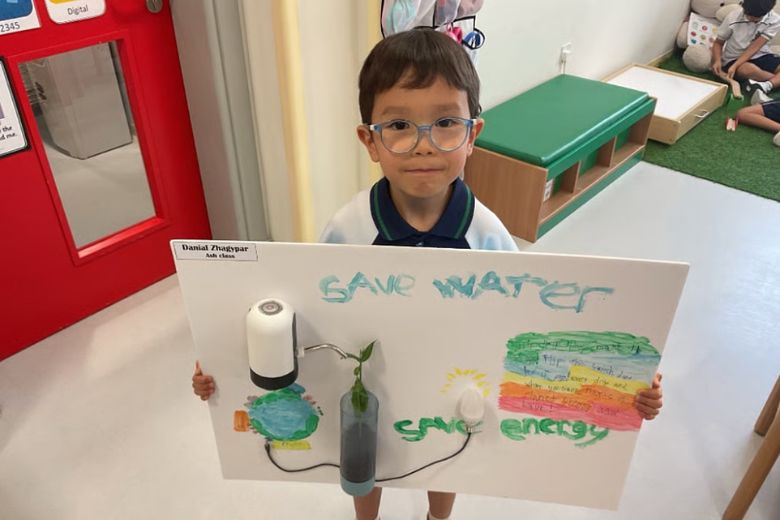
Hands-on environmental learning is also evident at Jebel Ali School, where students, families and staff participated in a week-long ‘bioblitz battle’, recording more than 3,600 wildlife sightings. The initiative was further expanded through a ‘Nature Connection for Sustainability and Well-being Conference’, demonstrating how environmental engagement can strengthen both student learning and emotional development.
For more information please visit,
Further Reading:
- Sheikh Mohammed Announces AI as Mandatory Subject in UAE Schools
- Sheikh Hamdan Approves First Dubai Student Council to Empower Youth to Shape the Future of Education