





































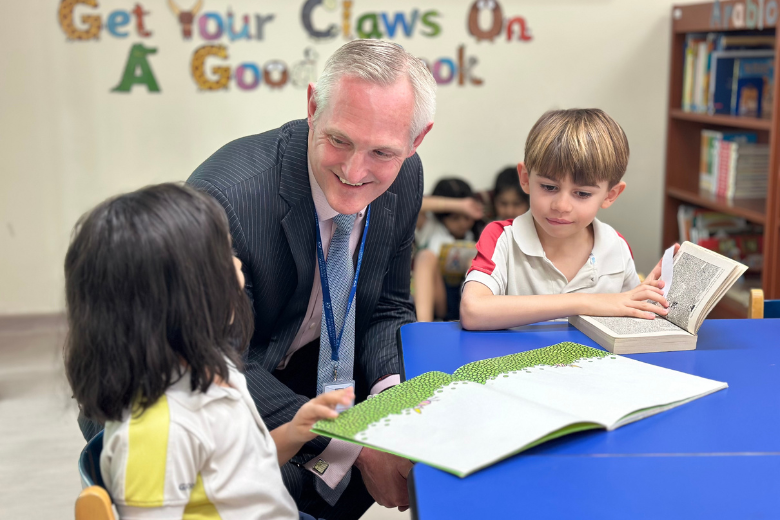
As a Head Master – and as a father – one of the key questions I have always asked myself when considering any school is: “Will my children be happy and thrive here?”
That may sound simplistic. Of course, as an educator, I value academic rigour, intellectual stretch, and ambition. However, in my experience, children achieve their best only when they feel known, supported, and safe. In other words – when they are happy.
This does not happen by chance.
Embedding a Whole-School Approach to Wellbeing
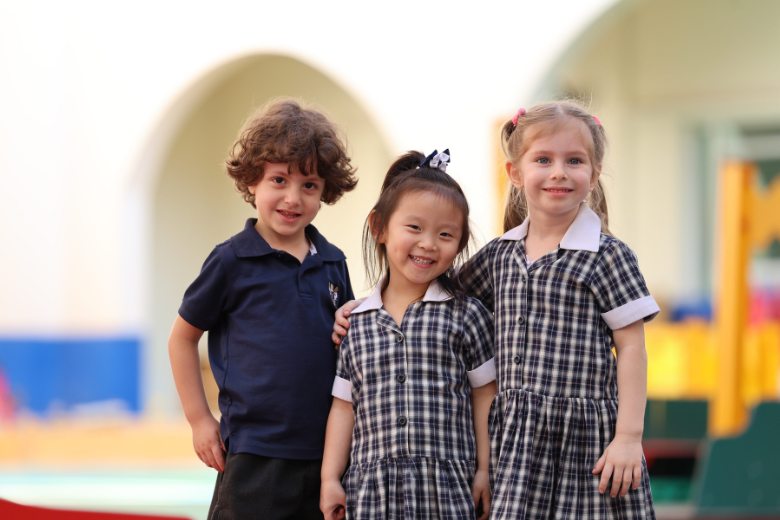
To genuinely develop happy, confident young people, schools must embed a deep and consistent culture of pastoral care, where there needs to be a clearly thought-out programme of social and emotional learning – and this needs to run through every aspect of school life. Across the globe, and especially in forward-thinking education systems like the UAE’s, this whole-school approach is increasingly seen not as a ‘nice to have’, but as a critical driver of pupil success.
The explicit teaching of values, including respect and compassion is vital to developing empathetic learners with the soft skills necessary to thrive in the 21st century marketplace. Schools should not just be places where we learn subjects, but places to learn about our position within the global society, to learn about different cultures and customs and to understand differences while connecting and collaborating with others. These are not secondary skills – they are foundational.
The Academic Impact of Social and Emotional Learning
A 2023 study by the OECD found that pupils with high levels of social and emotional skills achieve better grades and have higher aspirations for their future, especially in areas such as reading, maths, and the arts, while also reporting stronger attendance and behaviours outcomes.
They provide opportunities for our pupils to develop tolerance and to understand how diverse our population is. With an explicit emphasis on wellbeing and positive relationships, our children develop emotional intelligence and a strong sense of community. I want my children to grow up to become leaders in whatever field they choose, but to do that they will need to be collaborative, thoughtful, resilient, and open-minded.
These are all skills that can be taught and developed – when a school has the desire, courage, and commitment to prioritise them.
A Whole-School Pastoral Framework
At Brighton College, we believe that kindness is not just a value – it is a way of life. From our Wellbeing Ambassadors and House System to our buddy initiatives and weekly wellbeing sessions, kindness and pastoral care are embedded into the rhythm of each day. We teach kindness explicitly, celebrate it publicly, and ensure every child is empowered to show it confidently.
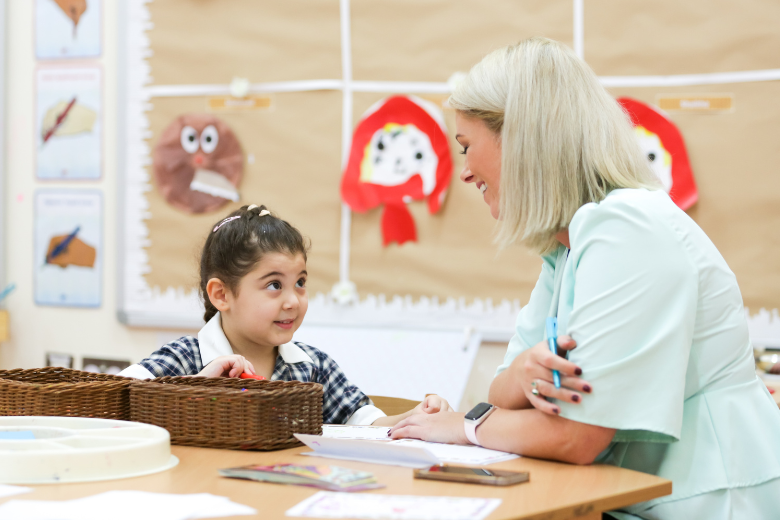
There is also a clear academic case for this approach. Across the Brighton College family of schools in the UAE, our pupils have achieved exceptional results. Last year, 60% of GCSE grades across Brighton College Abu Dhabi, Dubai and Al Ain were awarded at 9-7(A*-A), and 76% at 9-6 (A*-B). Brighton College Abu Dhabi and Brighton College Al Ain secured the highest A-Level results in A*-A in their respective regions, whilst Brighton College Dubai made an impressive impact, ranking among the top two schools in Dubai for A-Level results in A*-A (Which School Advisor 2024 results table). These achievements are a source of pride for our school community – and they are underpinned by a pastoral model that places kindness, wellbeing and individual care at its core.
ADEK’s Vision: Prioritising Wellbeing and Safeguarding
The Abu Dhabi Department of Education and Knowledge (ADEK), echoes this priority through its ‘Irtiqaa’ Inspection programme. Schools are evaluated not only on academic performance, but on how effectively they safeguard and promote pupil wellbeing, safety and personal development – recognising that these elements are essential to pupil success.
The opposite is also true. No school ever condones bullying, but in the absence of a robust pastoral framework, these behaviours can go unnoticed or unaddressed. When schools don’t prioritise emotional wellbeing, pupils are more likely to feel disconnected, unsafe, or overlooked – and the effects are measurable.
ADEK has taken a proactive approach to combating bullying across both public and private schools. This includes launching the ‘Best Anti-Bullying Program Award’, which recognises schools that demonstrate impactful, measurable anti-bullying initiatives involving pupils, staff, parents, and the wider community. ADEK also collaborates with national initiatives such as the Ministry of Education’s ‘National Bullying Prevention Week’, and actively promotes stakeholder engagement, conflict resolution, and a culture of kindness and inclusion across school environments. These efforts reflect a wider commitment to ensuring that wellbeing and safety are embedded within the educational experience.
A Measurable Impact on Confidence, Participation, and Outcomes
Furthermore, when children feel a sense of belonging in school and feel happy, settled and valued, their confidence, self-esteem and engagement will grow. They are more inclined to try new things and are more likely to involve themselves fully in extra-curricular life. Not only do these experiences build character – they directly improve outcomes. Research in the UAE shows that pupils who participate in co-curricular and sports programmes often achieve higher academic results and show stronger attendance and engagement.
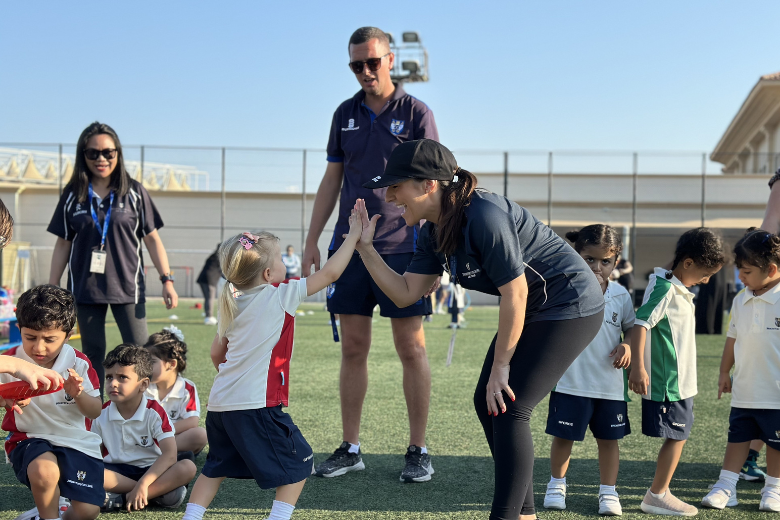
Across the three Brighton Colleges in the UAE, initiatives like the Duke of Edinburgh’s International Award help nurture resilience, teamwork, and leadership – essential qualities that support both academic and personal success.
Academic Achievement and Pastoral Care Go Hand in Hand
I often hear parents talking about how they want an ‘academic school’ and that, whilst they are sure that the pastoral side is important, they just want their children ‘to achieve results’. The reality is that the two are inextricably linked and schools that actively promote and develop wellbeing amongst their pupils will deliver better results for those pupils.
A genuinely holistic education, therefore – one that places equal weight on academic rigour and emotional development – will nurture children with greater emotional balance, fewer attention or behavioural challenges, and more positive friendships. It equips them with the soft skills necessary to thrive in the modern workplace and gives them the greatest opportunity to achieve their personal best in all that they do.
Everything else flows from that: from developing children who are happy, secure, and confident. That is what I want for my own children, and what I will continue to reinforce and celebrate in our school community.
By Barney Durant
Barney Durant is the recently appointed Head Master at Brighton College Abu Dhabi. Mr Durrant brings over 20 years of experience in both British and international education. Prior to joining Brighton, he served as Head of St Lawrence College in the UK, where he was recognised for his work on student wellbeing, including a shortlisting in the Independent School of the Year Awards. He has also held senior leadership roles at Harrow International School Hong Kong and spent 14 years at Stowe School in the UK. Mr Durrant holds a BA (Hons) from University College London, a PGCE from the University of Cambridge, and a Master’s degree in Educational Leadership from the University of Nottingham.
Further Reading:
- Brighton College Abu Dhabi Welcomes Mr Barney Durrant as Headmaster for 2025
- Brighton Colleges UAE Lead the Way in Mathematics Excellence
- Brighton College Al Ain Earns Dual Outstanding Status from BSO and ADEK
- Brighton College Dubai Student Sets UAE National Swim Record and Wins Gold at World School Games