





































As Earth Day approaches, many schools take a moment to reflect on environmental learning. At The Arbor School in Dubai, however, this thinking is already embedded into everyday life. Rather than marking a single occasion, it becomes an opportunity to connect what students are already exploring in the classroom to a wider global conversation.
Through initiatives such as Docathon, a global storytelling project where students create films on environmental and social issues, Arbor continues to move learning beyond awareness into action. In this interview, Assistant Head of Ecological and Environmental Education, Euan Riddell, shares how Arbor’s unique approach is shaping the way students think, create and engage with the world around them.
Earth Day lands on Wednesday this week. How does a moment like this feel at a school where environmental thinking is woven into everyday learning?
At Arbor, every day is, in many ways, Earth Day, so this moment feels less like a one-off event and more like a meaningful point of connection. It allows students to link their everyday learning to a global movement that has been growing for more than 50 years. That helps build purpose, optimism and a sense that their actions matter as part of a shared effort to care for the systems that sustain us.
Why do you believe environmental education is more important now than ever, particularly for young people growing up in the UAE?
Young people in the UAE are growing up in a global hub of innovation, where ambitious ideas can move rapidly from vision to reality. This is a place that actively reimagines how cities, resources and technologies can work together more sustainably. Environmental education is therefore more important than ever, because it equips students not just with knowledge, but with the ability to think in systems, navigate complexity and contribute to shaping future-focused solutions within their own communities.
There’s often a gap between learning about environmental issues in the classroom and actually doing something about them. How does Arbor School bridge that gap?
There is often a gap between understanding environmental issues and acting on them, and at Arbor we close that gap through service-action learning that builds both willingness and capacity to respond. Students apply their learning in real contexts, such as Docathon, where KS3 students create documentaries exploring contemporary environmentalism in the UAE. In a fast-moving context, film allows them to capture complexity and real-world change in ways printed textbooks and standardised tests cannot, helping students see themselves not just as learners, but as active contributors.
What drew the school to Docathon?
Projects like Docathon are a natural fit for Arbor because they reflect our vision and mission-driven approach, from Board level through to classroom practice. As an Eco Inquiry School in Dubai, we value thoughtful risk-taking, creativity, deep collaboration and real-world connection. Docathon brings this to life by connecting students with a powerful network of partners, starting with parents and extending to innovators and changemakers across the UAE. Through storytelling, students engage with complex issues, develop their own perspectives and communicate them with purpose.
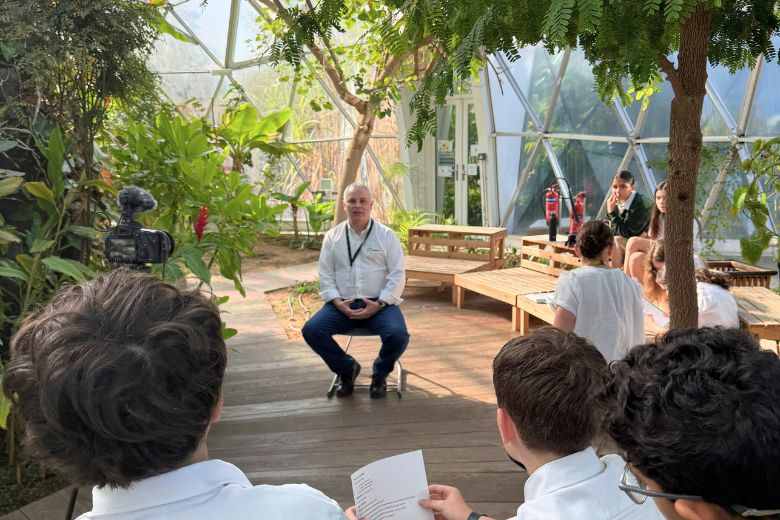
What have the students chosen to focus on, and what has their choice of subject told you about how they see the world around them?
The students have focused on their Ecoliteracy concept curriculum topics, with Year 7 exploring how desert ecosystems connect to human life, Year 8 examining how tourism and recreation change cities and communities, and Year 9 investigating how marine ecosystems can inspire solutions. It has been incredible to see their growing understanding, particularly their focus on threats to species and the work of NGOs and social enterprises across the UAE. Their films include interviews with people leading this work, helping shine a light on the impact already being made. These projects reinforce one of our core beliefs at Arbor: that every challenge presents an opportunity for solution-focused thinking and positive change.
Docathon seems to build a wide range of skills beyond environmental awareness. What have you seen it unlock in students, academically and personally?
It begins with empathy and learning to engage with stories from multiple viewpoints. The process then immerses students in real-world logistics – charging camera batteries, placing microphones, considering framing and lighting, scripting interview questions, and speaking with experts in the field. It demands time management, collaboration and strong communication, particularly when editing as a group and negotiating different ideas. In doing so, students gain a clear understanding of what it takes to produce thoughtful, engaging media, moving from simply understanding issues to actively engaging with them.
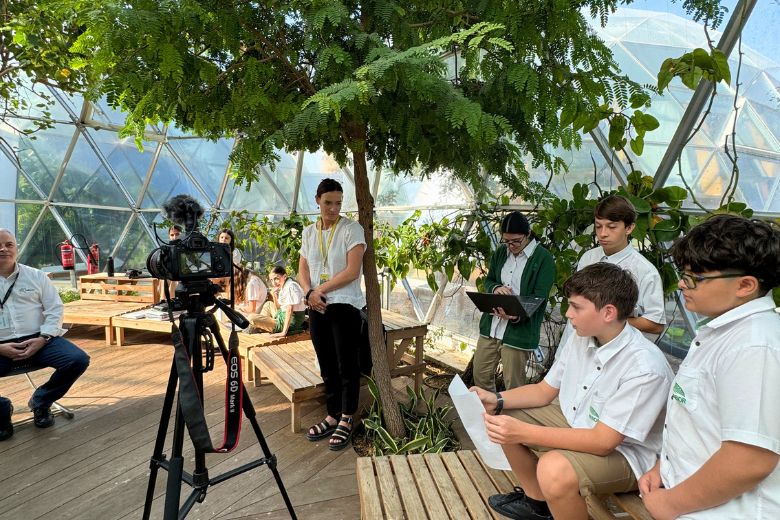
Tomorrow, your students will be sharing their films with an international audience as part of a global film exchange. What does that kind of connection mean for young people growing up in Dubai?
Sharing their films with an international audience helps students move beyond outdated perceptions of the UAE as lacking biodiversity or environmental ambition. It highlights a rapidly evolving landscape where environmentalism is growing and innovation is visible. Connecting global challenges to local examples empowers students to see that their perspectives matter and that action can start where they are. It also helps them understand themselves as part of a wider, connected global community.
With a wider showcase and festival coming up next month, what are you hoping parents and the wider community take away from what the students have created?
Through Docathon, students show that everyone has a voice. Not every child is a natural digital storyteller, but they can find ways to engage with environmental issues and share their perspective. These films reflect different forms of expression, as students grapple with complex ideas and communicate them with purpose. More than anything, we hope they inspire a genuine willingness to act, and encourage creative, non-traditional ways of expressing care for the environment.
For parents who want to nurture this kind of thinking at home, where would you suggest they begin?
It often starts with simple, everyday conversations. Encouraging children to notice patterns in nature, ask questions and consider different perspectives can be incredibly powerful. Small actions – whether discussing where food comes from, reducing waste, or observing local wildlife – help build a sense of connection and responsibility. The key is creating space for curiosity and reflection, while also offering different ways to respond, whether through art, music, dance, movement, games, short videos or creative writing, so every child can find their own way to care for the environment.
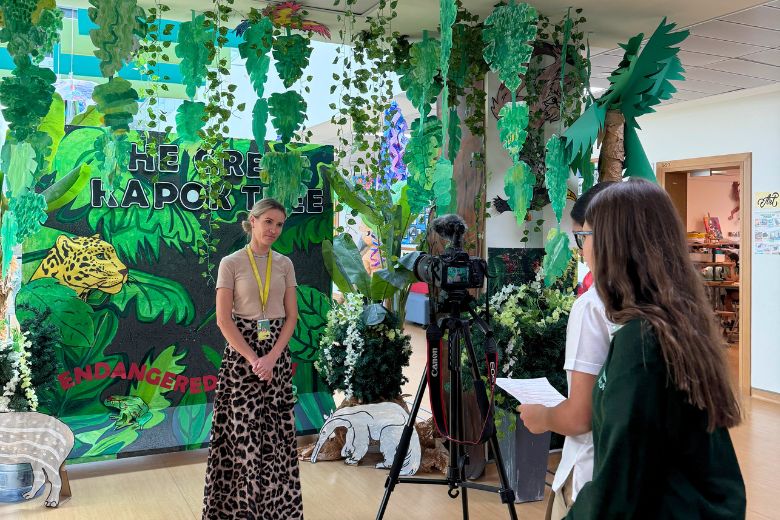
Looking ahead, how do you see ecological education continuing to evolve at Arbor, and what role do you think schools like this one have to play in preparing students for the future they will inherit?
Ecological education at Arbor is about preparing students to thrive in uncertainty. We are entering a period of global reimagining, through energy transition and the growing integration of AI in the workplace. At Arbor, environmental education becomes a training ground for this. It gives students real contexts in which to think in systems, weigh trade-offs and have impact. Whether they go into environmental careers or entirely different fields, they leave with the mindset and skillset to shape the future and to flourish within it.
For more information about Arbor School, visit their website below:
Further Reading:
- Dubai’s Arbor School Wins Environmental Prize
- Discover Arbor School, British Education Designed for Tomorrow
- Inside The Arbor School Dubai, a Sustainable British School for Modern Families