





































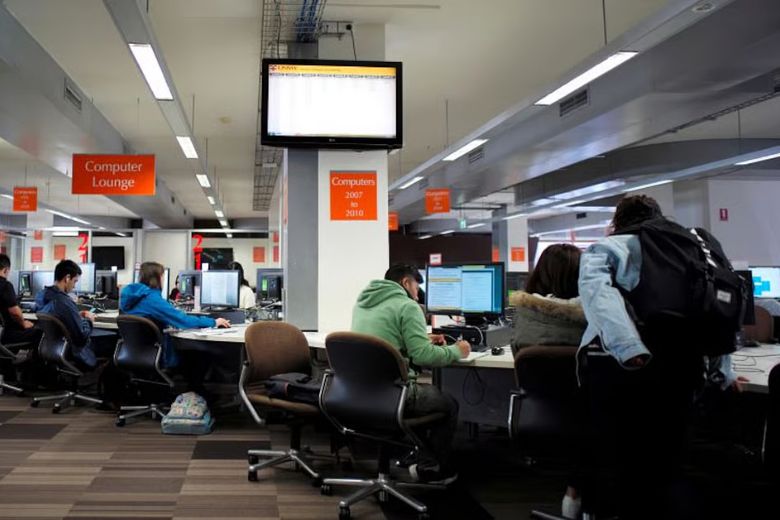
The anxiety of falling behind in fast paced lectures is fading for students across the UAE who now turn to artificial intelligence tools before raising their hands in class. This shift is transforming not only how students learn but also how confident they feel about understanding new concepts.
University students across the Emirates say artificial intelligence has reshaped their daily academic routines, replacing hours of scattered online searches with instant clarification and removing the fear of asking basic questions. At the same time, these technological advances are raising concerns about dependence and intellectual complacency. Zayed Ahbabi said,
“The first tool I use daily is ChatGPT. It’s the fastest way for me to understand concepts I’m seeing for the first time, especially when lectures move quickly.”
He explained that the change is both practical and psychological.
“It made learning less intimidating. I ask questions without feeling embarrassed, and I can break things down at my own pace.”
From Search Engines to AI Conversations
Many students say artificial intelligence has changed how they approach research and studying. Instead of navigating multiple websites to gather information, they now rely on AI platforms for structured explanations.
Khalifa Ahmed uses artificial intelligence primarily to organise information rather than generate direct answers.
“I use ChatGPT mainly for summarising readings and organising my thoughts before assignments,” he said. “It turned studying into a conversation rather than memorisation.”
Students also report that traditional search habits are fading. Ahabi said,
“I don’t search endlessly online anymore. Instead of jumping between websites, I start with AI to get clarity first.”
Khalifa added that artificial intelligence has influenced writing methods,
“I don’t write first drafts from scratch anymore. I focus more on refining content and adding my own perspective.”
Transforming Collaborative Learning
Artificial intelligence is also changing how students interact with peers. Some students say they now rely less on classmates for initial explanations. Yousef AlNaqbi said,
“I don’t depend as much on classmates for explanations. I try AI first, then discuss with my friends. I learn faster and feel more confident asking questions I wouldn’t normally ask in class.”
This shift suggests artificial intelligence is becoming a preliminary learning tool, helping students build understanding before engaging in group discussions.
Concerns About Over Reliance on AI
Universities across the UAE are gradually allowing artificial intelligence within academic integrity policies, provided students remain responsible for understanding their work. Despite the widespread adoption of artificial intelligence tools, students acknowledge potential risks. Alahbabi admitted,
“I sometimes rely on it too much instead of struggling through the problem myself. It saves time and reduces stress, but I worry about relying on it too much.”
Khalifa shared similar concerns,
“It can make learning feel too easy if you’re not careful. Doing academic work without understanding it defeats the purpose.”
AlNaqbi raised questions about social learning dynamics.
“It might reduce real discussion if people isolate themselves with AI,” he said. “Learning is also about people, not just answers.”
Where Students Believe AI Should Stop
Students agree that while artificial intelligence is a powerful academic support tool, it should not replace critical thinking or personal decision making. Ahbabi said,
“Replacing personal judgment, especially in exams or decisions that define who you are and make or break your future, is where AI should not be used.”
The growing use of artificial intelligence highlights a broader shift in education across the UAE. While these tools are making learning more accessible and less intimidating, students are also navigating the challenge of maintaining independence and critical thinking skills in an increasingly AI supported academic environment.
For more information please visit,
Further Reading:
- Sheikh Mohammed Announces AI as Mandatory Subject in UAE Schools
- Sheikh Hamdan Approves First Dubai Student Council to Empower Youth to Shape the Future of Education