































Across the world, families are seeking schooling that feels more humane, more flexible and more attuned to the pace and pressures of young people today. The traditional classroom, with its fixed timetables and crowded corridors, does not suit every learner. For some, it can limit curiosity, independence and confidence.
Minerva Virtual Academy, now building its presence in the UAE and wider Middle East, offers a different path. Its approach is grounded in personal choice, community care and the belief that learning should adapt to the learner, not the other way round.
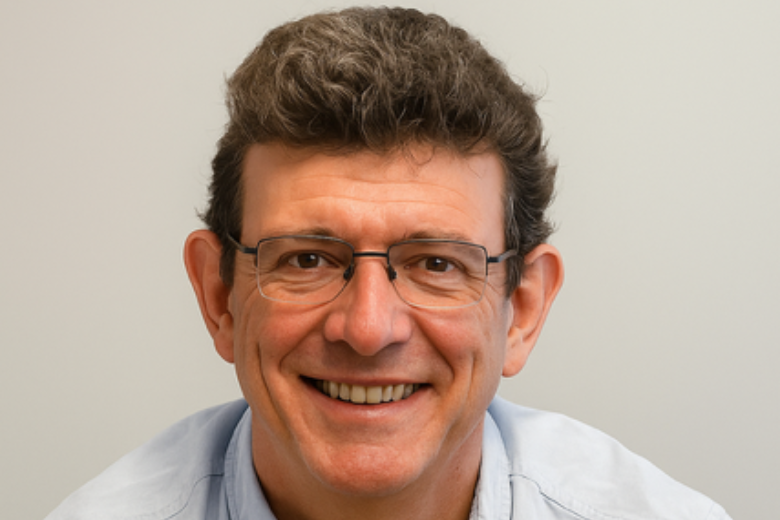
In this exclusive interview with Education UAE, we speak with Harry Allen, Vice Principal for the Middle East at Minerva Virtual Academy, about how a flexible, student-centred online school model is supporting learners to thrive academically, emotionally and socially.
Education UAE: Harry, thank you for joining us. Could you start by telling our readers a little about your background?
Harry: Thank you. I have worked in worldwide education since 2002 in Africa, South-East Asia and the Middle East. I was also a student in an international school myself, so this world feels very familiar. I joined Minerva Virtual Academy a few months ago and I am the first Vice Principal for the Middle East as we set up operations here.
“This is the first time I have seen a school model where learning is genuinely shaped around the learner.”

Education UAE: You spent many years in well-known brick-and-mortar schools. What inspired you to move to an online school model?
Harry: It came from understanding that school has not really changed much since the early part of the twentieth century. A lot of good teachers are able to support learners individually within a classroom, but it is still within the same structure: twenty-five students in one room inside a large building with thousands of others. This is the first time I have come across something that feels genuinely new, where we can tailor learning to individual needs. That was very exciting for me.
Education UAE: You have lived in different parts of the world. How has this influenced your understanding of community and belonging in education?
Harry: I think we have to think in a worldwide way now. The more borders and barriers we take down, the better. I have lived more of my life outside my country of birth than inside it, so the idea of where home is can be fluid. I see myself as part of a worldwide community. International schools bring students together from many cultures to learn side by side. They see how much they share rather than what separates them. That is powerful.

“I have worked in worldwide education since 2002. This model allows learning to meet the student, not the other way round.”
Education UAE: What stands out most in a typical day for a Minerva learner?
Harry: The day is shaped by the student. Only a small number of lessons are fixed, perhaps two or three live lessons, an assembly or a club. The rest is planned by the student. They choose when they work on mathematics, when they take on physics, when they rest, when they reflect. There is no bricks-and-mortar system that offers that level of tailoring.
Education UAE: One of Minerva’s strongest messages is that it is not just a learning platform. It is a school. How do you build belonging in a virtual environment?
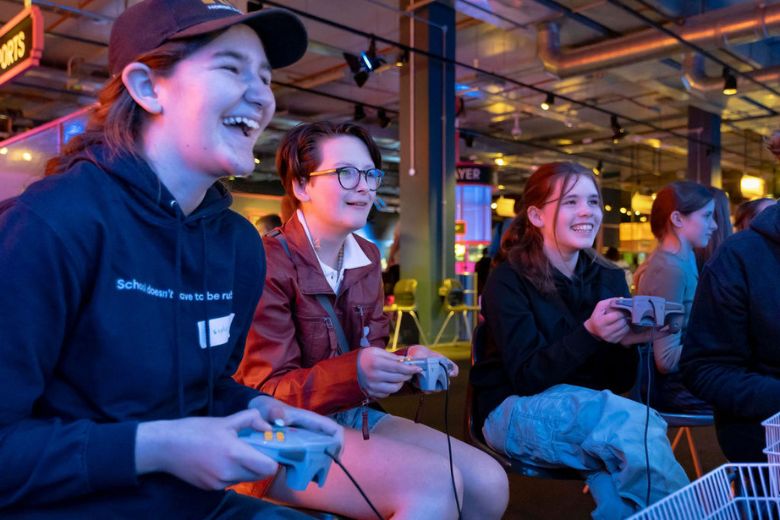
Harry: We are all about community at MVA and it’s all about student well-being and the well-being of the family. We have numerous ways we interact online. We’ve got our live lessons. We’ve got social rooms where students from all around the world can come together and chat and take part in activities. We also have our trips. We had our first GCC trip recently to the Museum of the Future, which is fantastic, getting the students together. We had a wonderful community meetup at Al Habtoor Polo Club where we had about 40 families come together. We’re already deep into planning the next one that’s coming up next month. So, bringing families together in real spaces, physical connection is very important for us as well.
“We are an online school that meets, talks, learns and laughs in real spaces too.”
Education UAE: Can you share an example of how flexibility has helped a learner thrive?
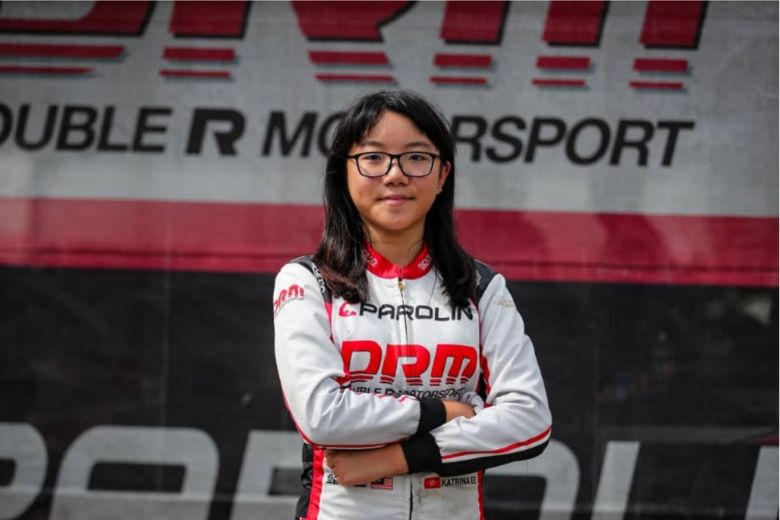
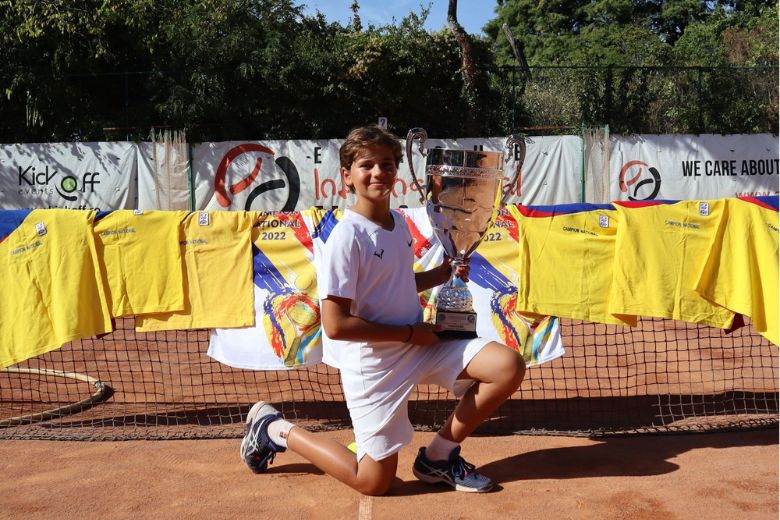
Harry: We had a GCSE mathematics student who achieved the highest grade worldwide. We also have many elite athletes, including a student who recently came second at a race event in Dubai. We have young people heading into high-level professional racing. But it is not only about high achievement. Many of our students were not thriving in traditional schools. Here, they find a place where they feel comfortable, calm and confident.
Education UAE: Minerva places strong emphasis on wellbeing. How is this shaping learners in the region?
Harry: At Minerva, we put a real focus on wellbeing and happiness. Our main aim is that students feel comfortable and happy in their learning environment. If they can do that, then the rest will take care of itself. Happy people study. Happy people want to engage. Happy people will reach their potential. We have many support systems in place to ensure that our students are well supported. Our wellbeing team is wonderful. Our inclusion and mentoring team is wonderful. Everyone works together to make sure students are as comfortable and happy as possible. It is the first school I have been in where that is truly the main focus. I have been in schools where I suggested using the word happy and was told it sounded too informal. But happy students will achieve. That shift has been refreshing.
Happy learners learn.
Education UAE: You now lead the new Gulf time stream. Why was this important?
Harry: Before, everyone had to follow one time schedule based on the UK. Now, students across the Middle East, North Africa and South Asia can learn in a way that fits their day naturally. It opens access. It is the first step in expanding across multiple time regions.
Education UAE: Do you think the definition of a good education has shifted over the years?
Harry: Up until now, no, it has not. Particularly in private and independent schools, the focus has usually been on students achieving the best exam results. Secondary school becomes one long exam leading to university entrance. At Minerva, our main focus is that students feel happy and comfortable. If that happens, learning will follow naturally. Happy students study. Happy students want to take part. Happy students reach their potential. That change in focus has been meaningful for me.

Education UAE: What would you say to teachers or leaders in traditional schools who are curious about virtual learning but unsure about leaving the physical school environment?
Harry: It can feel daunting. I was worried about missing the day-to-day interaction of being in a school building, speaking with colleagues, having those moments of connection. But I learned very quickly that these interactions also happen online. And at Minerva, we meet in person too. We have community meetups. We have school trips. We are active in real spaces as well. So I would say, do not be afraid of that change. Embrace it. The flexibility does not only benefit students. It benefits teachers too. I have had meetings with teachers who were in airports, on their way somewhere, and it worked perfectly well. That level of freedom can be life changing for educators.
Flexibility supports teacher wellbeing too
Harry: In traditional school settings, teachers are often expected to be on campus from early morning until late afternoon. There is little flexibility. That affects teachers in the same way it affects students. At Minerva, flexibility is shared. It supports everyone.
Education UAE: If you could describe your vision for the future of learning in one sentence, what would it be?
Harry: Education should be for everyone. Not only that the doors are open, but that everyone truly has access to quality learning. Every student should feel they can be successful, in control of their learning, valued and supported. Unless more schools begin tailoring learning to individual needs, that will not be possible for many students.
“Education should be for everyone, where every learner feels valued and able to succeed.”
Book a Discovery Call Today
Find out how Minerva Virtual Academy can support your child’s unique learning journey. Book your call here.
Further Reading:
- Minerva Virtual Academy Expands to the Gulf – Offers Flexible British Education
- Not Just Another Platform. It’s a School.