































Choosing GCSEs, A Levels or a university pathway can feel overwhelming not just for students, but for parents too. In a country like the UAE, where opportunities span multiple education systems, countries and career paths, teenagers are often asked to make big decisions before they fully understand what’s possible.
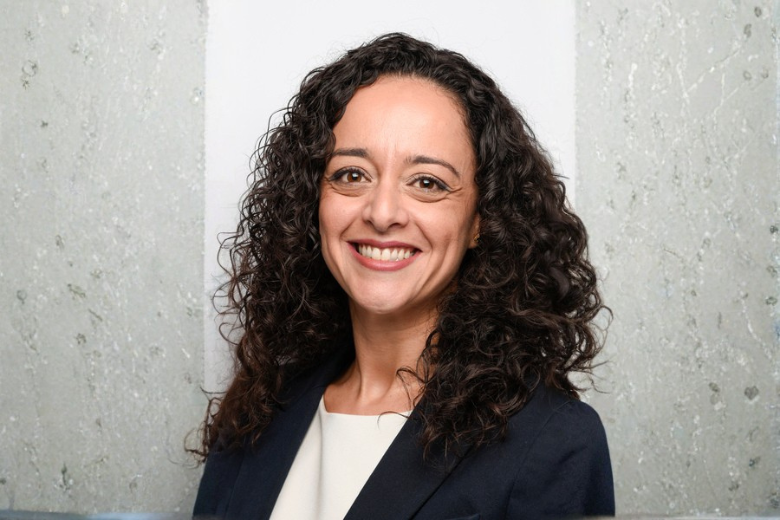
At Arbor School, Dubai, futures counselling is designed to take the pressure out of the situation. Rather than focusing only on destinations or job titles, the school supports students to understand themselves, explore real-world options and build confidence in their choices over time. We spoke to Sherifa Amin, Arbor’s University and Career Counsellor, about why futures guidance matters more than ever, and how Arbor’s approach is helping students secure university offers, scholarships and clarity about their next steps.
Why has futures counselling become such an important part of secondary education in the UAE?
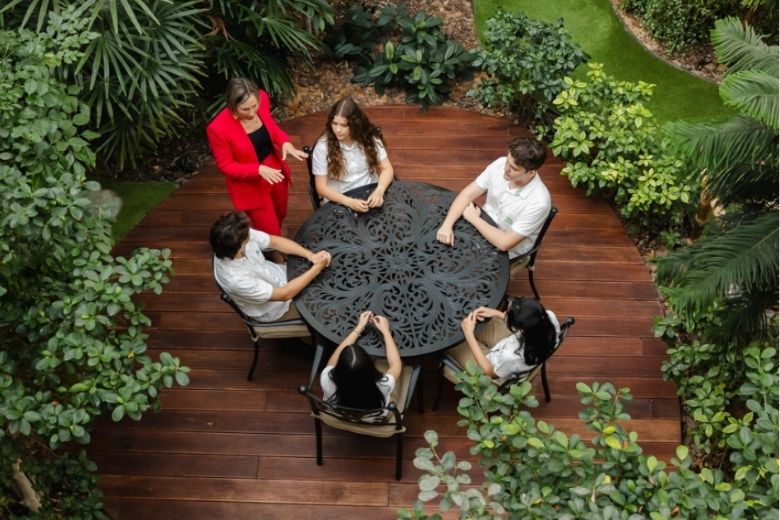
Sherifa: The UAE offers young people incredible opportunities across technology, sustainability, healthcare, creative industries and more. But with that opportunity comes complexity. Students are exposed to so many options that it can feel overwhelming, especially when they’re asked to make academic decisions at a young age. Futures counselling helps students pause, reflect and make sense of those choices. It’s not about pushing them towards a single outcome; it’s about helping them understand who they are, how they work, and how their strengths might translate into the world beyond school.
What does Arbor’s Futures Counselling Programme look like in practice?
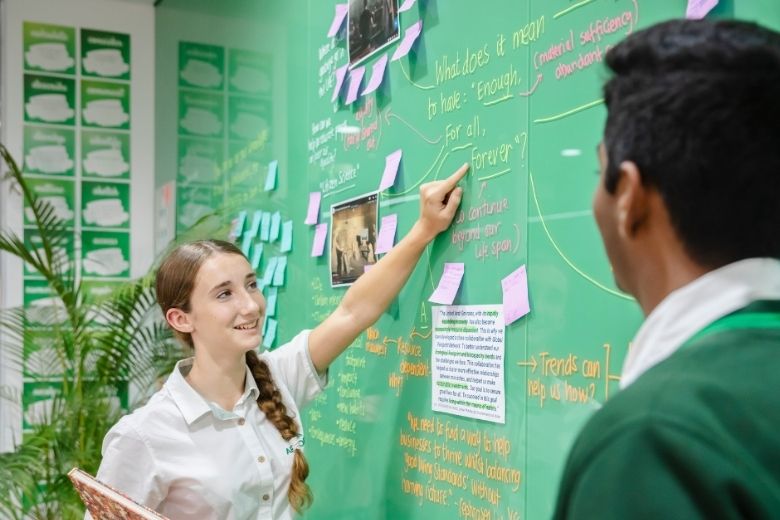
Sherifa: It’s very much a long-term, structured journey rather than a one-off conversation in Year 13. We work with students from Year 9 onwards through individual guidance, group workshops, reflection activities and real-world exposure. As students grow, the programme evolves: from early self-awareness and subject exploration to university planning, applications and career preparation. The focus is always on informed decision-making and confidence, rather than rushing students into choices they’re not ready for. Through conversations, internships, guest speakers and guided exploration, they learn not just what options exist, but which ones genuinely suit them. This means that when key decisions arise, students feel prepared, supported, and confident, rather than pressured or uncertain.
Many parents worry that career guidance comes too late. How does Arbor address this?
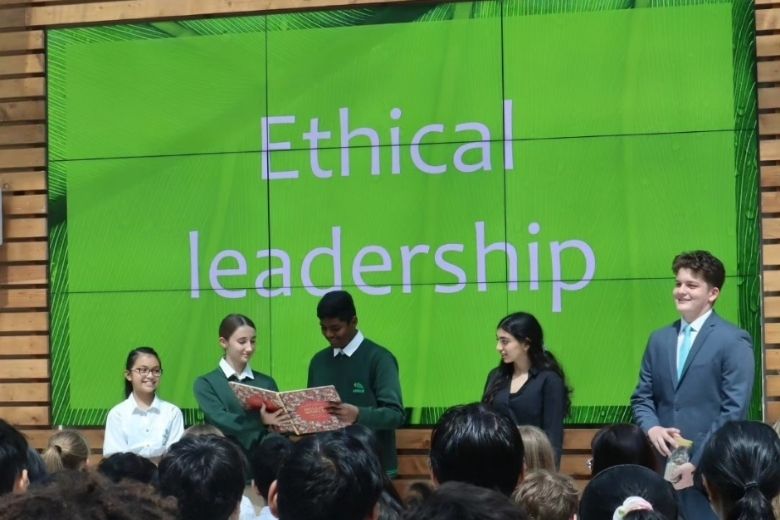
Sherifa: That concern comes up a lot, and it’s valid. At Arbor, futures counselling starts well before pressure points like GCSE or A Level choices. Careers education is woven into tutor time, pastoral programmes and curriculum discussions, so students begin connecting what they enjoy and what they’re good at with future possibilities. We also use psychometric tools and guided reflection to build self-awareness early on, as well as invite industry experts to talk to students about a wide range of roles and pathways. Just as importantly, we involve parents. We run information sessions and events, so families feel informed and supported, not left trying to navigate the process alone.
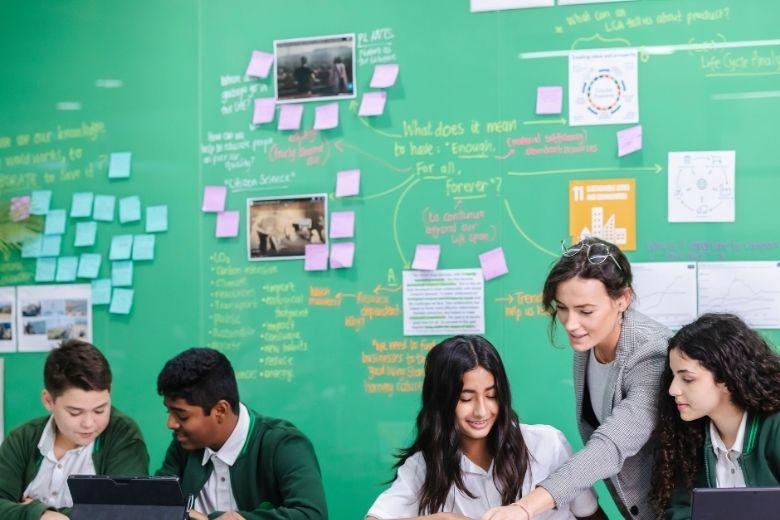
Arbor’s first graduating cohort has achieved impressive university offers and scholarships. What role did futures counselling play?
Sherifa: I’m incredibly proud of this cohort. Over 110 university offers have been secured so far, alongside more than $1 million in scholarship funding, across the UK, US, Europe, the UAE and Canada. Futures counselling has been a consistent thread throughout that journey. From helping students identify what they genuinely want to study, to building balanced university lists and crafting authentic applications, support has been ongoing rather than reactive. Students also develop professional skills: how to communicate confidently, engage with university representatives and build connections, which makes a real difference.
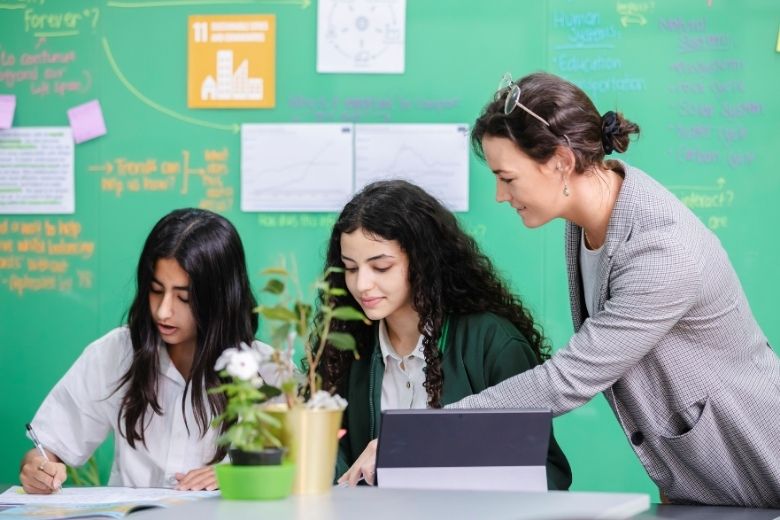
How do internships and work experience support students’ decision-making?
Sherifa: Internships are essential in helping students move from assumptions to real understanding. Experiencing a field first-hand helps students understand the pace, environment and skills involved. Sometimes it confirms a career interest; other times it helps them realise a path isn’t quite right, and that insight is just as valuable before committing to a degree. Internships also build confidence, professionalism and self-awareness, helping students connect academic learning to real life.
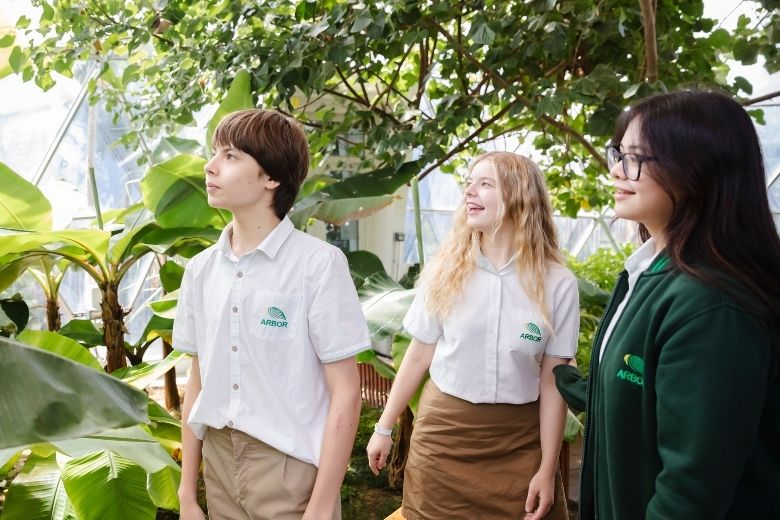
What support is available for students who feel unsure or anxious about their future?
Sherifa: Uncertainty is completely normal. Students aren’t expected to have all the answers. Futures counselling provides a safe space to explore ideas without pressure or judgement. I often tell students: “It’s okay not to know, but it’s not okay to do nothing about it.” Through reflection, exposure and guidance, clarity builds naturally over time. I also work closely with the pastoral team, so students feel emotionally supported alongside their academic planning.
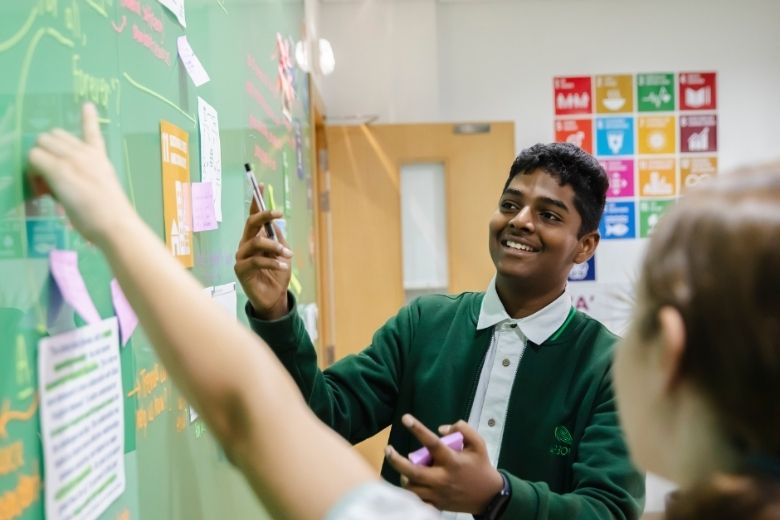
Finally, what does success look like when a student leaves Arbor?
Sherifa: For me, success is about readiness, not a single destination. Of course, university offers and scholarships matter, and I’m incredibly proud of those student achievements. But real success is when a student leaves Arbor confident in themselves, clear about their choices and capable of navigating change. When students feel empowered, adaptable and ready to take ownership of their future whatever form that takes that’s when I know the programme has done its job.
For more information about Arbor School, visit their website below:
Further Reading:
- Dubai’s Arbor School Wins Environmental Prize
- Inside The Arbor School Dubai, a Sustainable British School for Modern Families